Politics & Government
After Cyanide Trap Kills Dog, Hurts Idaho Boy, Environmentalists Seek Ban
M-44s resemble water sprinkler heads in the ground. They use bait to attract animals and spray cyanide when triggered.

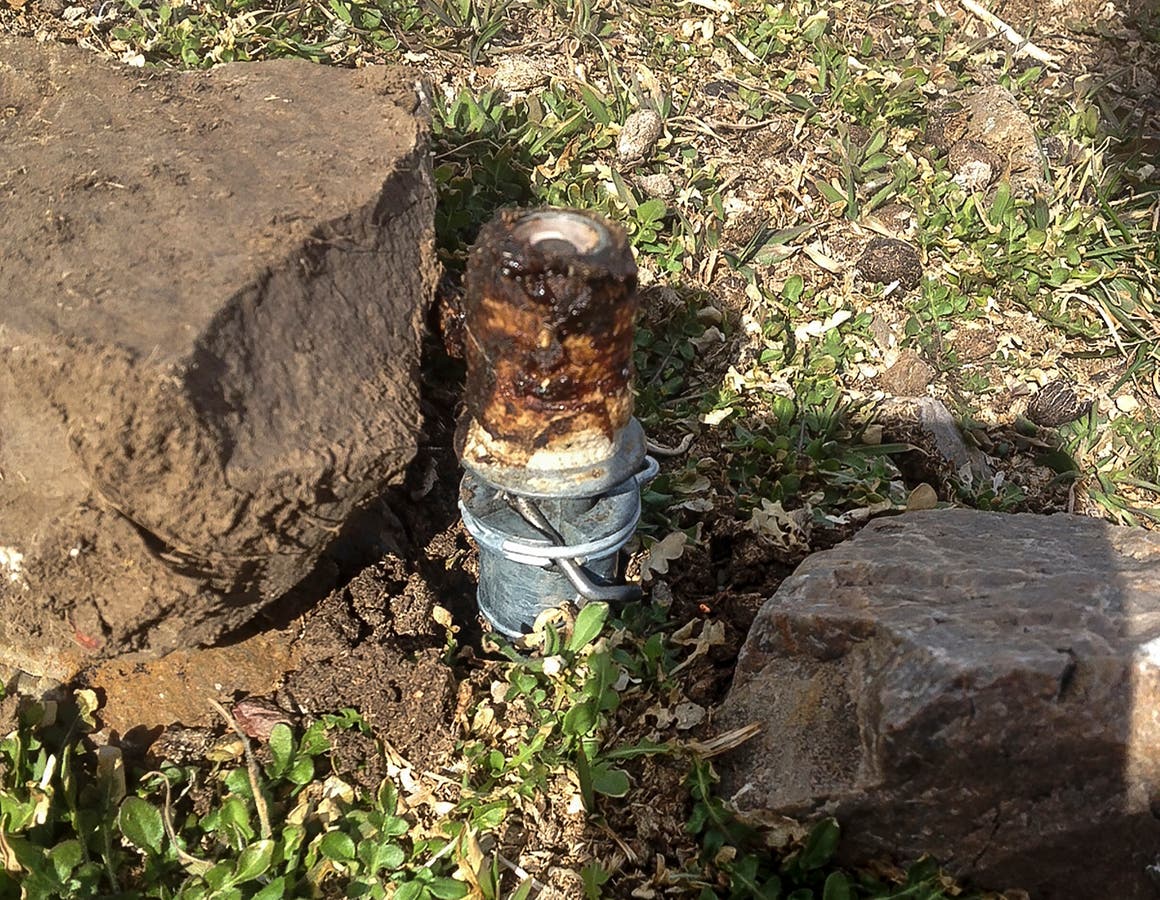
BOISE, ID — Spring-activated cyanide traps that kill unwanted predators — including one that sickened a boy in Idaho and killed his dog — should be outlawed, environmental groups told the federal government Thursday.
The Center for Biological Diversity and other conservation groups petitioned the Environmental Protection Agency to ban the devices, known as M-44s. The traps resemble water sprinkler heads in the ground. They use bait to attract animals and spray cyanide when triggered.
The federal government should prohibit the traps that endanger people and pets on public lands and kill wildlife that aren't the intended target, the groups said. (For more information on this and other Idaho stories, subscribe to Patch to receive daily newsletters and breaking news alerts. If you have an iPhone, click here to get the free Patch iPhone app.)
Find out what's happening in Boisefor free with the latest updates from Patch.
"This is a good time for the agency to take a serious look because people are really outraged about this," said Collette Adkins, an attorney and biologist at the center.
The EPA didn't return a call seeking comment.
Find out what's happening in Boisefor free with the latest updates from Patch.
A 14-year-old boy and his dog stumbled upon one of the devices several months ago on federally owned land less than two football fields away from his home. He was hurt and the dog was killed.
Scrutiny intensified after The Associated Press reported the device was on public land despite a federaldecision months earlier to stop using the traps on all federally-owned land in Idaho.
The devices killed about 12,500 coyotes in 2016, mostly in Western states, officials said. Coyotes nationwide killed about 120,000 sheep and lambs valued at up to $20 million, the Agriculture Department said in a 2015 survey of producers.
Cyanide devices are also used to protect cattle.
The devices over the past two decades have killed about 40 dogs and injured a handful of people, including the boy in Pocatello, Idaho, environmental groups said.
In April, federal officials in Idaho temporarily banned the predator traps. Two months later, U.S. officials launched an expanded review of the traps and additional guidelines for workers deploying the devices.
Adkins, the attorney and biologist at the Center for Biological Diversity, said a denial of the petition would be a basis for a lawsuit.
"The federal government has a paramount duty to protect people and wildlife from deadly poisons that unnecessarily endanger the public, wildlife and companion animals," Kelly Nokes, carnivore advocate at WildEarth Guardians, said in a statement.
The petition is part of a larger effort by environmental groups to ban the devices.
Earlier this year, environmental and animal-welfare groups filed a lawsuit claiming the U.S. government is violating the Endangered Species Act by allowing the predator-killing poison in areas where it could harm federally protected species including grizzly bears and Canada lynx.
That lawsuit by the Center for Biological Diversity and others seeks an immediate ban on cyanide on predator traps and another pesticide called Compound 1080 that's placed in collars worn by livestock and ingested by attacking predators.
Environmental groups also petitioned federal officials in Idaho and Wyoming to stop using the predator traps. Wyoming hasn't responded but federal officials in Idaho issued the temporary ban.
In recent weeks, federal officials in Idaho held a series of public meetings demonstrating how the traps work and explaining the need to protect livestock.
By KEITH RIDLER, Associated Press
Photo credit: Bannock County Sheriff's Office via AP