Community Corner
Flesh-Eating Fly Returns To U.S.: What To Know In IL
The USDA confirmed the first U.S. animal case in the current outbreak on June 3.


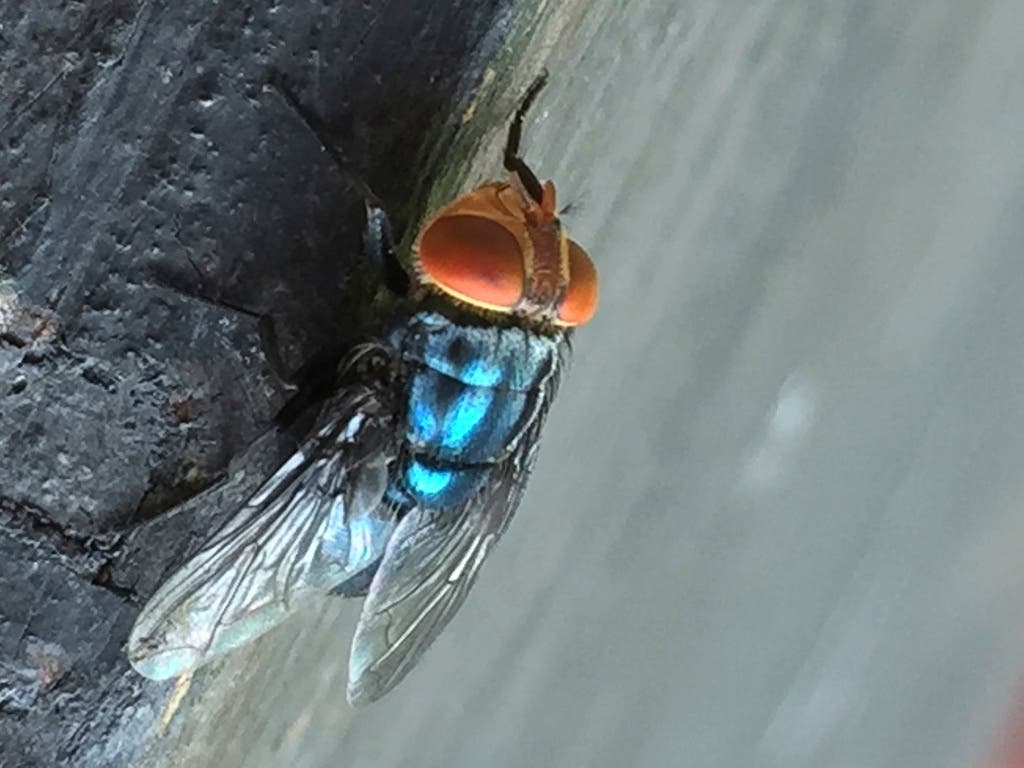
Illinois residents are being urged to keep an eye on pets, livestock and wildlife after federal officials confirmed new U.S. cases of New World screwworm, a flesh-eating parasite once eradicated from the country but now raising new concern in some areas.
For residents in northern states, the immediate risk remains low, health officials say. But veterinarians and animal owners are being advised to watch pets and livestock for wounds that do not heal, especially if animals have recently traveled from affected areas in the South, Mexico or Central America.
New World screwworm flies lay their eggs in open wounds, and the maggots bore deep into the flesh of cattle and other livestock, “like a screw being driven into wood,” according to the USDA Animal and Plant Inspection Service. Animals can die within a few weeks if not treated. There are a dozen government-approved medications for treatment.
Find out what's happening in Across Illinoisfor free with the latest updates from Patch.
The USDA confirmed the first U.S. animal case in the current outbreak in Zavala County, Texas, on June 3, 2026, and subsequent federal updates. As of now, the cases include three calves and a goat in Texas and a dog in neighboring Lea County, New Mexico.
Scientists expect new cases could pop up in the coming days and weeks, but it doesn't mean screwworm is spreading rapidly, said Edward Burgess, a University of Florida entomologist who studies the fly.
Find out what's happening in Across Illinoisfor free with the latest updates from Patch.
“When that first case is seen, everyone is being vigilant, and their eyes are on it more intensely,” Burgess told The Associated Press. “And when you are looking for something, you are more likely to see it.”
Are Humans At Risk?
No current human cases have been reported in the United States, and the risk remains low, according to the Centers for Disease Control and Prevention.
That doesn’t mean it can’t happen.
Last August, Maryland and federal health officials confirmed the first U.S.-identified human case of travel-associated New World screwworm myiasis in a patient who had recently returned from El Salvador, Patch previously reported. The individual recovered from the infection, and officials found no evidence that it had spread to other people or animals.
Since the New World screwworm outbreak re-emerged in Central America and Mexico in 2023, more than 185,000 animal cases and more than 2,100 human cases have been reported.
Symptoms include feeling or seeing maggots in or around wounds, ears, nose, eyes, or mouth; painful, bleeding, or foul-smelling sores; and wounds that worsen or fail to heal within days.
Treatment generally involves removing the larvae, cleaning and removing dead or damaged tissue from the wound, preventing reinfestation, and treating secondary infections if present. Untreated infestations can be serious but are rarely fatal.
Will Beef Prices Go Up?
So far, the screwworm's reappearance hasn’t greatly affected beef prices, which are already near record levels because there are fewer cows in the United States. Although the parasite attacks live cattle, it does not infest meat or fruit.
Canada temporarily stopped importing cattle, horses or other livestock from Texas on Friday. The parasites prefer humid areas where temperatures are at least 77 degrees, making them more of a summer problem up north.
What’s Being Done?
To curb the parasite's spread, states have implemented movement restrictions, inspection mandates, and surveillance. This integrated response is supported by the National Association of State Departments of Agriculture, which promotes federal-state cooperation to manage foreign animal disease outbreaks like the New World screwworm.
The USDA and the U.S. cattle industry have been racing to prevent an outbreak since screwworm was detected in Mexico late in 2024. The USDA has been dropping sterile flies in south Texas since February and is working to both increase sterile fly production in plants outside the United States and build a $750 million fly factory in Texas.
Burgess said the long-term solution — breeding sterile male flies — is months away. Since wild female flies mate just once, if that encounter is with a sterile male, outbreaks can eventually be halted as the flies die out.
The goal is to have enough sterile flies to stop the pests from returning in 2027 after the winter kills off most of them, USDA Secretary Brooke Rollins said at a news conference at the U.S. Livestock Insects Research Laboratory in Kerrville, Texas.
Scientists are also working on ways to sterilize only male flies to make the program even more effective.
Texas officials launched a 24-hour hotline and a tracking website to monitor screwworm cases in herds and wildlife. Gov. Greg Abbott called the condition highly treatable with immediate action. However, Agriculture Commissioner Sid Miller warned that the federal response is too slow, proposing poison bait as a faster solution, despite USDA warnings that it remains unproven and potentially harmful to other species.
“What the hell is a good fly?” Miller said in an interview with The AP.
The Associated Press contributed reporting.
Get more local news delivered straight to your inbox. Sign up for free Patch newsletters and alerts.