Weather
International Space Station Visible In IL Skies: When To Look Up
More than 3,700 investigations have been conducted aboard the microgravity research lab.


ILLINOIS — This is a good week for people across Illinois to poke their heads in the sky to get a glimpse of the International Space Station.
In orbit for 25 years now, the International Space Station looks like a bright star or small plane, but travels much faster, at 17,500 miles an hour, according to NASA.
If sky conditions allow it, the space station should be visible over the next several nights. The longest window for space station viewing is on Saturday, when it should be visible for about seven minutes, starting at 7:54 p.m. local time. Friday, Sunday and Monday are good nights for viewing, too.
Find out what's happening in Across Illinoisfor free with the latest updates from Patch.
NASA offers more tips on where to look in the sky to spot the space station. The max height on Saturday will be 61 degrees. It appears in the west-southwest sky and disappears in the northeast sky.
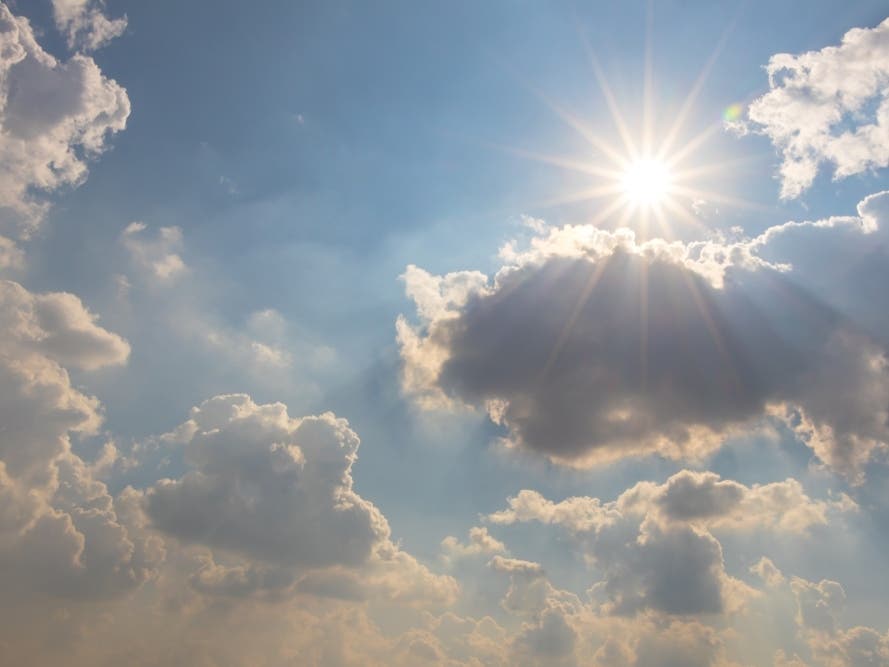
Skies over Illinois should be clear Friday, partly cloudy Saturday and mostly cloudy Sunday this weekend, according to the National Weather Service.
Find out what's happening in Across Illinoisfor free with the latest updates from Patch.
The space station is constantly in orbit, but is more visible at times due to the reflection of the sun against the darker sky. The optimum time to see the space station at any time of year is within a few hours before or after sunrise or sunset.
Unlike unidentified flying objects that are the focus of a special office at the Pentagon, the space station is easily distinguishable from other lights in the sky. It doesn’t have flashing lights, moves much faster and at higher altitudes than an airplane and moves across the sky from east to west.
More than 3,700 investigations have been conducted aboard the microgravity research lab. The inquiries have resulted in 4,000 articles published in scientific journals.
Get more local news delivered straight to your inbox. Sign up for free Patch newsletters and alerts.