Politics & Government
Iowa Army Blasts Could Send Lead Dust Into Illinois, Officials Warn
Gov. JB Pritzker is pressing federal officials for answers regarding Friday's planned detonations.


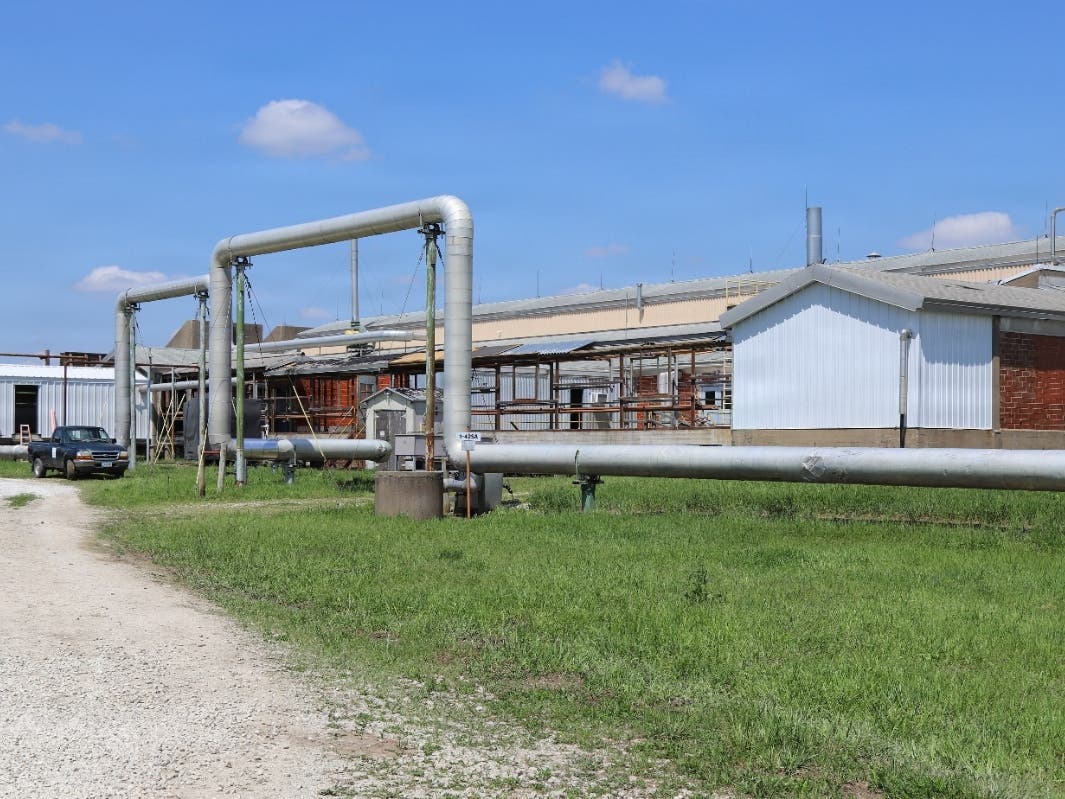
Planned explosions at an Iowa Army ammunition plant Friday could send lead-containing dust into western Illinois, prompting state officials to issue precautions and demand more information about environmental monitoring.
Current Army modeling identifies Mercer County as potentially affected, according to Illinois officials. The projected exposure area could change with updated weather forecasts.
The Army plans two controlled detonations at approximately noon Central time Friday, Nov. 20, at the Iowa Army Ammunition Plant in Middletown, near Burlington. Officials say deteriorated lead azide in several dozen barrels on the property has become too unstable to move safely.
Find out what's happening in Across Illinoisfor free with the latest updates from Patch.
Gov. JB Pritzker said Thursday morning his office is seeking greater transparency.
"Illinois is monitoring the planned detonation in Iowa, as it could affect Mercer County and surrounding areas," Pritzker wrote on X.
Find out what's happening in Across Illinoisfor free with the latest updates from Patch.
"The Department of Defense is responsible for ensuring people aren't harmed by exposure — and we're pressing for answers and more transparency."
Why The Army Is Detonating The Material
The U.S. Environmental Protection Agency issued an emergency permit Nov. 13 authorizing the Army to store and destroy the hazardous material in place.
According to the EPA, the lead azide recrystallized during storage, increasing its sensitivity to friction and shock. Disturbing the containers could create an unacceptable risk of an accidental explosion.
"We’re really concerned about the weather situation," Justine Barati, public affairs specialist at the Army Sustainment Command, told the Associated Press. "We’re really concerned that it will detonate on its own."
After evaluating alternatives, the Army selected controlled detonation as the safest way to address the explosive hazard, EPA said. The permit requires environmental sampling and monitoring before, during and after the operation, along with public notifications, cleanup and reporting.
The Army's updated public advisory says the barrels will be detonated inside earth-covered concrete structures surrounded by sand-filled barriers approximately two stories high. Water saturation and misting are intended to reduce the amount of lead-containing dust leaving the installation.
The Army says modeling predicts elevated airborne lead particles below EPA levels requiring protective action. Nevertheless, it recommends precautions for people within projected exposure areas.
Residents near two Middletown parks have been asked to temporarily leave their homes from 8 a.m. to 2 p.m. Friday because of potential window damage. Those evacuation areas are in Iowa.
Illinois Wants Testing Details
Illinois EPA said Wednesday that federal officials had not shared details about the scope and methods of planned monitoring. The agency also said EPA Region 7, which covers Iowa, had not notified Illinois EPA of the operation.
Illinois officials are seeking information through EPA Region 5, which covers Illinois, and want air, soil and surface-dust testing in potentially affected Illinois communities, with results made public.
Precautions For Affected Residents
The Illinois Department of Public Health recommends that people in affected areas:
- Stay indoors with windows closed for 24–48 hours afterward.
- Reduce outside air intake and use recirculation settings where appropriate.
- Wash visible outdoor dust with soap and water.
- Wash hands before eating and remove shoes before entering homes.
- Ask a doctor about blood lead testing if exposure is suspected.
The Army identifies two potential exposure routes: breathing airborne particles and contact with dust deposited on surfaces. Its guidance includes wet-cleaning outdoor play equipment, toys, furniture, windowsills and other frequently touched surfaces in affected areas.
Residents can check the Army’s Iowa ammunition plant update page for revised advisories and exposure maps. The Army says maps will be updated six hours before the detonations and hourly afterward until the operation, with a final estimate of the affected area following the event.
Get more local news delivered straight to your inbox. Sign up for free Patch newsletters and alerts.