Politics & Government
Nearly $40 Million In Legal Weed Sold In Illinois In January 2020
More than $8.5 million of the cannabis purchased in legalization's first month was bought by residents of other states, officials announced.


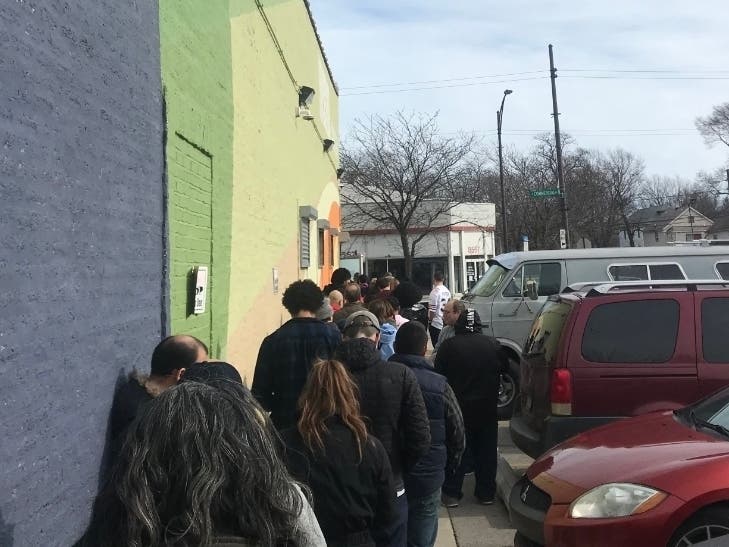
CHICAGO — Pot shoppers spent nearly $40 million on recreational weed during the first month of marijuana legalization in Illinois, state regulators announced Monday.
During the state's first 31 days of legal adult-use cannabis, dispensaries sold more than 972,000 items, according to the Illinois Department of Financial and Professional Regulation, or IDFPR.
Illinois residents spent $30,611,632.22 in January 2020 on adult-use cannabis products, according to IDFPR. Those with out-of-state identification bought another $8,636,208.61.
Find out what's happening in Across Illinoisfor free with the latest updates from Patch.
"The successful launch of the Illinois' legal cannabis industry represents new opportunities for entrepreneurs and the very communities that have historically been harmed by the failed war on drugs," Toi Hutchinson, Gov. JB Pritzker's senior cannabis adviser and a co-sponsor the cannabis legalization bill, said in a release.
"The administration is dedicated to providing multiple points of entry into this new industry, from dispensary owners to transporters, to ensure legalization is equitable and accessible for all Illinoisans," Hutchinson said.
Find out what's happening in Across Illinoisfor free with the latest updates from Patch.
There are fewer than 50 dispensaries licensed to sell cannabis to adults 21 and over in Illinois, according to the IDFPR website, significantly fewer than the bill's framers had allowed. Department officials have said they expect to be processing more applications as municipalities finalize updates to zoning ordinances allowing or forbidding new cannabis dispensaries.
Supply shortages and regulatory restrictions meant some operators of licensed dispensaries have either chosen not to sell adult-use cannabis or have been restricted from doing so. Those that are selling recreational marijuana have put buying limits in place and restricted opening hours.
No information on state tax revenue has yet been released. The first round of tax payments from dispensaries are not due until the end of February, and tax rates vary depending on classes of product sold.
In July, the combined state and local tax rate inside Chicago is set to rise to more than 40 percent, once a 3 percent Cook County tax takes effect. Medical cannabis sales are exempted from the new tax rates and are not included in the sales totals announced by state regulators.
Related:
Where Can You Buy Legal Marijuana In Illinois?
$20 Million Spent On Recreational Weed In Illinois In 12 Days
Illinois Marijuana Dispensary License Applications Unveiled
Gov. Pritzker Pardons 11,000 Marijuana Convictions
"A portion of every cannabis sale will be reinvested in communities harmed most by the failed war on drugs," according to the IDFPR release. The Cannabis Regulation and Tax Act provides for 25 percent of state revenue from adult-use cannabis to be distributed through a grant program called Restore, Reinvest and Renew, or R3.
Last month, the Illinois Criminal Justice Information Authority announced areas (map) eligible for the R3 grant funding, which were identified by a working group of researchers and criminal justice professionals using census-level data on gun violence, unemployment, incarceration and child poverty.
"We are eager to work with our community partners to address historic inequities while providing much needed support in their efforts to heal and ultimately thrive," Jason Stamps, the agency's acting director, said last month. According to the agency, the grants will go toward organizations that support young people, civil legal aid, violence prevention, reentry services and economic development.
Applications for licenses for cannabis infusers, craft growers and transporters were released in January by the Illinois Department of Agriculture. The department is set to begin processing submitted applications on Feb. 14 and stop accepting them on March 16.
Social equity applicants receive additional "points" when their applications are scored by state regulators. They will also be eligible for grants, low-interest loans, fee discounts and waivers. According to IDFPR, the agriculture department and the Department of Commerce and Economic Opportunity will partner on workshops across the state to help people interested in applying and answer questions.
Get more local news delivered straight to your inbox. Sign up for free Patch newsletters and alerts.