Crime & Safety
IL Tylenol Murders Linked To Newly Identified 'Unknown Wanderer' Found Dead In 1982: Idaho Police
Police are not calling the chemist who died of cyanide poisoning a suspect, but a forensic psychiatrist said the case may now be solved.


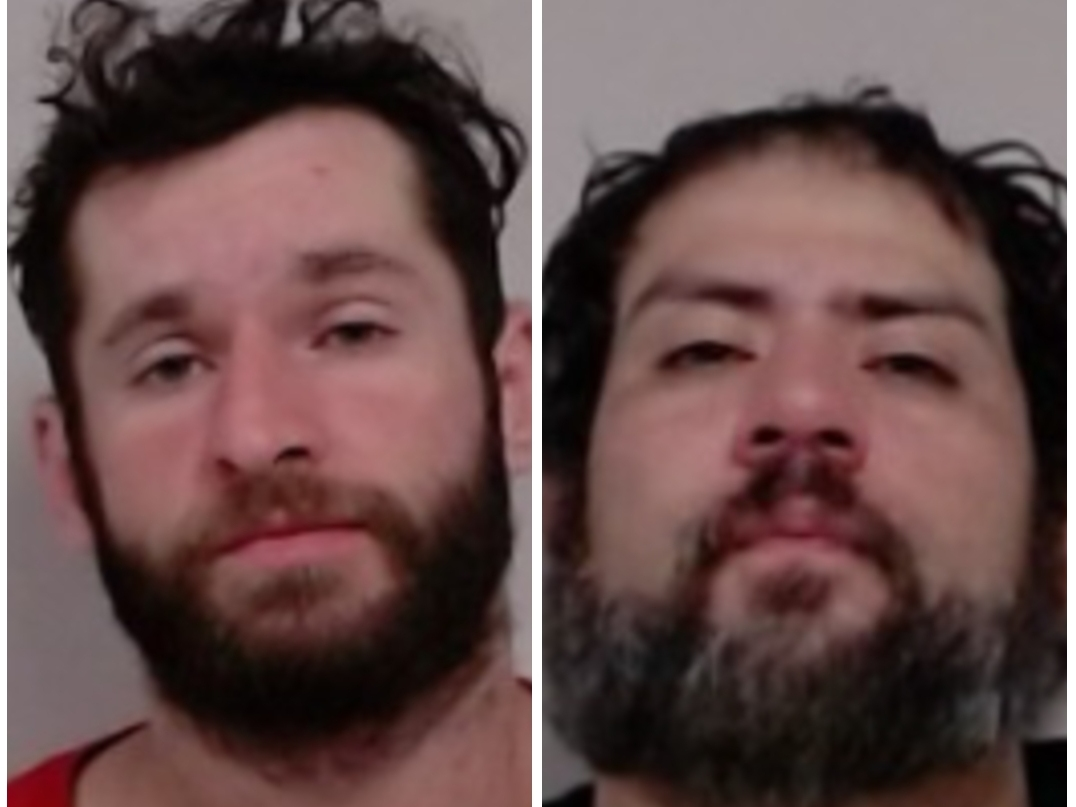
ARLINGTON HEIGHTS, IL — A man who died from cyanide poisoning in a Boise church in 1982 has been identified after more than four decades, leading investigators to uncover a series of possible connections to the unsolved Chicago Tylenol murders.
But Ada County, Idaho, authorities stressed Wednesday that Dr. Mathew Francis Betkouski is not being named as a suspect, and investigators cannot place him in the Chicago area during the final week of September 1982, when seven people were killed after taking cyanide-laced Extra-Strength Tylenol capsules.
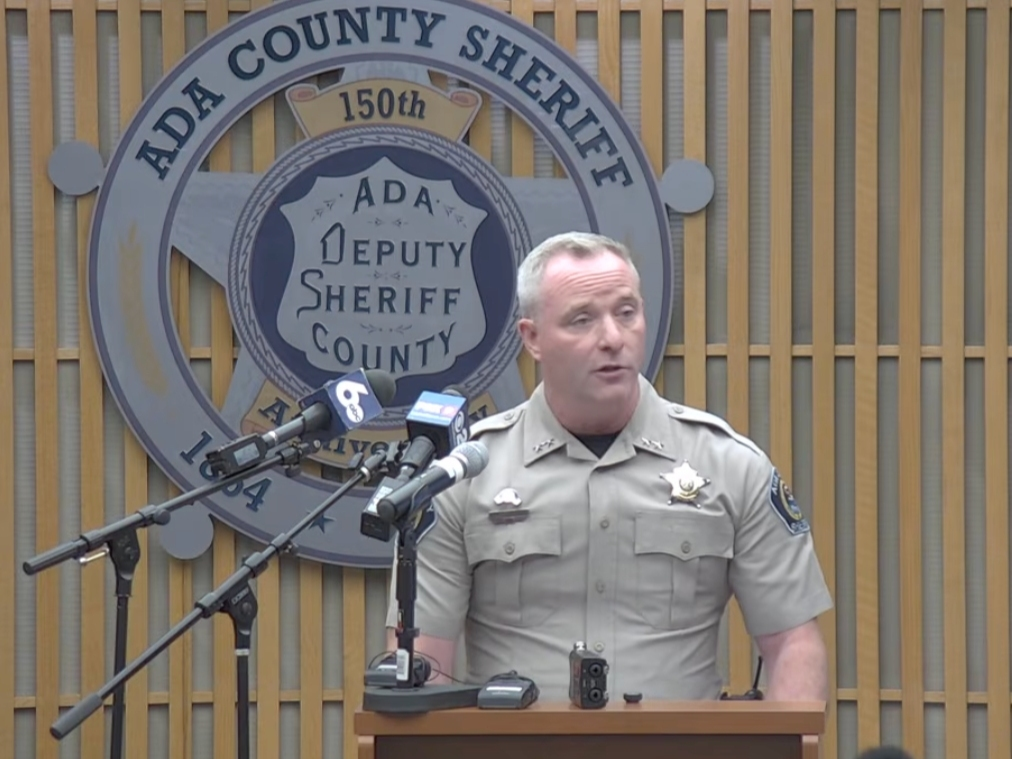
Ada County Cold Case Detective Tim Cooper said investigators have identified circumstances that warrant additional scrutiny but stop well short of proving Betkouski was responsible.
Find out what's happening in Arlington Heightsfor free with the latest updates from Patch.
"I cannot put his shoes in the pharmacy store aisle 44 years ago," Cooper said during Wednesday's news conference.
Still, Cooper said investigators cannot dismiss Betkouski's statements, actions and other circumstances simply because they lack a receipt or other evidence placing him inside a particular store.
Find out what's happening in Arlington Heightsfor free with the latest updates from Patch.
"It's all creating some cause for concern, and that's really what we're reporting," Cooper said.
.jpg)
Forensic psychiatrist Dr. Park Dietz, who consulted on the original Tylenol investigation, went further than law enforcement.
Dietz said he personally believes Cooper may have solved the case. He said he previously presented Betkouski's history anonymously to groups of forensic psychiatrists, psychologists and criminal profilers, and those groups overwhelmingly considered him a viable suspect.
Ada County Sheriff Matt Clifford, however, emphasized that the investigation remains open.
"This isn't over," Clifford said, adding that processing and investigating the new information could take months or even years.
Dietz is a prominent forensic psychiatrist who has consulted on major criminal investigations and testified in high-profile cases involving figures such as Jeffrey Dahmer, Ted Kaczynski and the D.C. snipers. He is the founder and president of Park Dietz & Associates, a forensic consulting firm, and has also served as a clinical professor of psychiatry at UCLA. Dietz was educated at Cornell and Johns Hopkins, where he earned medical, public health and sociology degrees, and later trained in forensic psychiatry.
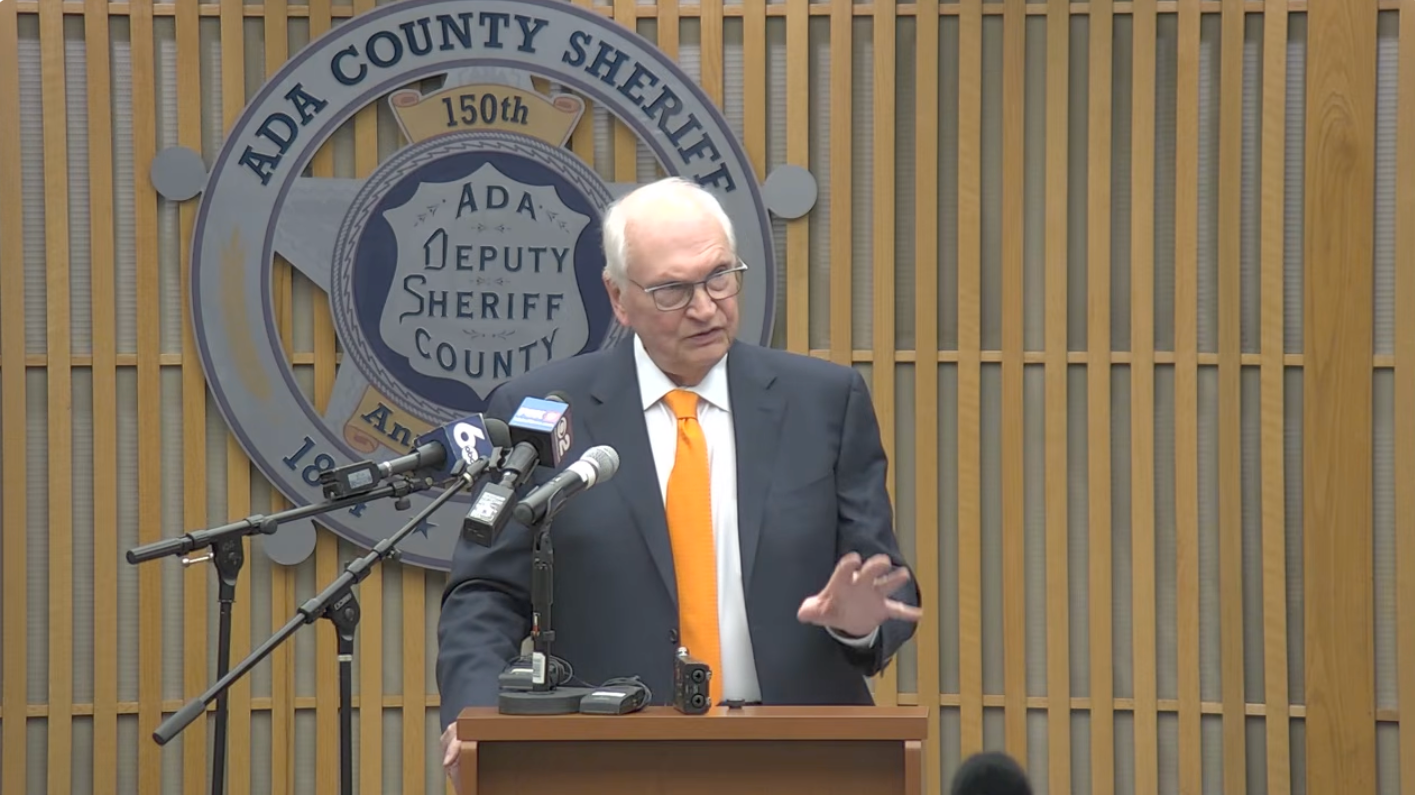
Dietz also worked on the original 1982 Chicago Tylenol investigation, according to Ada County officials, which is why his assessment of Betkouski carries particular relevance.
"This was, in my view, the most important unsolved crime in my lifetime: the Chicago Tylenol murders," he said.
Unknown Wanderer Identified After 43 Years
For decades, Betkouski had been known only as the "Unknown Wanderer" after his death inside Sacred Heart Catholic Church in Boise on Dec. 4, 1982.
The Ada County coroner determined he died from cyanide poisoning. Investigators found no identification on him but recovered a wallet, nearly 30 keys, a Seiko watch, a distinctive belt and bolo tie, $1,900 in cash and a typed note signed "William L. Toomey," a name investigators later determined was false.
The break in the case came from one of the keys.
Cooper said local experts examining photographs of the keys noticed a hallmark linking one to a Jacksonville, Florida, hardware store. An engraving on the key was eventually deciphered as "Mills Court."
Investigators obtained old property records from the street and traced one former resident to a surviving brother in California. DNA from the brother was compared with DNA recovered from Betkouski’s wallet and showed there was a very high probability the two men shared the same father.
Authorities identified the Unknown Wanderer as Mathew Francis Betkouski.
Chemist Discussed Cyanide, Poisoning Capsules
Betkouski was an organic chemist who had worked on a NASA-related project at the White Sands Test Facility in New Mexico.
Investigators said he had a documented interest in chemistry and explosives and had previously discussed cyanide.
A fellow scientist later recalled that before Betkouski lost his White Sands job in March 1982, he made a remark about how poison could be introduced into over-the-counter capsules, Cooper said.
Around the same period, Betkouski went to a Las Cruces-area pharmacy seeking pills or capsules he said were for an experiment.
Police were called following a disturbance, and another scientist escorted Betkouski home, investigators said.
Authorities later learned Betkouski had also been taking unauthorized material from the laboratory. The two incidents were believed to have contributed to the end of his employment.
Chicago Map, Cyanide Found
Investigators also discovered writings from 1980 and 1981 indicating Betkouski had an interest in visiting Chicago.
Photos uncovered in 2024 showed he did visit the Chicago area, Cooper said. Investigators initially believed the photos were from the latter half of 1982, but later determined they were probably taken in December 1981.
Authorities therefore cannot establish that Betkouski returned to Chicago in 1982 or place him in the area during the Tylenol killings.
Investigators later searched personal belongings preserved by Betkouski's family and found photographs, letters, a UCLA medical services card, a map of Chicago and a small bottle of cyanide inside his desk.
The cyanide, however, was not the same type used in the Chicago murders.
The bottle contained sodium cyanide, while the Tylenol victims were poisoned with potassium cyanide.
Testing also found organic properties in the material. Peach pits and apricot seeds were found with the bottle, leading investigators to believe it may have been homemade.
Another Cyanide Death
Betkouski's background also led Ada County investigators to an unresolved cyanide poisoning in Las Cruces from May 1982, several months before the Chicago Tylenol murders.
The woman who died had been taking medication in capsule form, Cooper said, but the medication was never tested and has since been purged.
Investigators do not know how cyanide entered her system.
Cooper stressed that Betkouski is not being named as a suspect in that death.
The case drew investigators' interest because cyanide poisoning was uncommon in the United States during that period.
Calls Around Time Of Tylenol Murders
Investigators are also examining Betkouski's communications around the time of the Chicago poisonings.
Betkouski is believed to have called a chemical supply company on Sept. 14, 1982. Investigators said the company was not believed to manufacture cyanide.
On Oct. 4, 1982, Betkouski is believed to have placed a long-distance call to the research and development division of SmithKline, a pharmaceutical company in Pennsylvania.
Investigators have found no documented long-distance calls between those two dates.
Disappeared Weeks Later
Betkouski disappeared from his Las Cruces residence Oct. 15, 1982, about seven weeks before his death in Boise.
Shortly before leaving, he told someone he had already been traveling, though not "any place one would want for vacation," Cooper said.
Investigators believe Betkouski later sold his car near the Mexican border in Brownsville, Texas.
When he died on Dec. 4, investigators said his appearance had been altered. Dye was detected in his hair, and authorities believe he intentionally took steps to conceal his identity.
Arlington Heights Evidence
Ada County officials said Wednesday they have turned over information about Betkouski to authorities in the Chicago area, where the Tylenol homicide investigations remain.
"We've sent all our information over to the Chicago area," officials said during the question-and-answer portion of the news conference. "It's really not our job to name him as a suspect."
Officials said they communicated with the Arlington Heights Police Department earlier in the investigation and noted that Arlington Heights holds evidence connected to three of the Tylenol deaths. Ada County officials said they have not communicated with the department recently.
"The Arlington Heights Police Department continues to work closely with our law enforcement partners to identify the individual or individuals responsible for the 1982 Tylenol murders," Arlington Heights police said in a statement shared with Patch. "We received and reviewed information provided by the Ada County Sheriff's Office. We remain committed to collaborating with our law enforcement partners and pursuing any viable leads as they become available. Because this remains an active investigation, we have no additional information to release at this time.”
The sheriff's office also thanked the Chicago Police Department for reviewing information provided by Ada County.
RELATED: Chicago Tylenol Murders Still Shock Area, Nation, 40 Years Later
Between Sept. 29 and Oct. 1, 1982, seven people died after taking Extra-Strength Tylenol capsules that had been laced with cyanide. Tampered bottles were linked to stores in Arlington Heights, Elk Grove Village, Schaumburg, Chicago and Winfield.
The first known victim was 12-year-old Mary Kellerman, of Elk Grove Village. Hours later, Adam Janus, 27, of Arlington Heights, died after taking Tylenol for aching muscles.
Janus' brother, Stanley Janus, 25, and Stanley's wife, Theresa Janus, 19, later took capsules from the same bottle while grieving at Adam’s home. Both also died.
Mary McFarland, 31, of Elmhurst; Paula Prince, 35, of Chicago; and Mary Reiner, 27, of Winfield, were also killed.
No one has ever been charged with the seven murders.
James W. Lewis, who for decades was the best-known figure associated with the case, was convicted of attempting to extort $1 million from Johnson & Johnson after the killings. He was never charged in the poisonings and maintained that he did not commit them.
RELATED: Lone Suspect In 1982 Chicago Tylenol Murders Dead: Report
Investigators Seek More Information
Cooper said investigators have conclusively ruled Betkouski out in several other crimes examined during the investigation, including homicides involving priests.
Ada County is now seeking information about Betkouski's movements between Oct. 15 and Dec. 4, 1982, as well as any travel or communications he may have had at any point during 1982.
Investigators are also interested in cold cases from the late 1970s and early 1980s involving cyanide poisoning or suspicious pill- or medication-related deaths.
The case and the new investigation will also be featured in a new "Unsolved Mysteries" documentary, "Unmasking the Tylenol Killer," scheduled to stream Oct. 9 on The Roku Channel.
The Tylenol case received renewed attention in 2025 with the Netflix docuseries “Cold Case: The Tylenol Murders.”
RELATED: Netflix Explores Unsolved Chicago Tylenol Murders With New Docuseries
Get more local news delivered straight to your inbox. Sign up for free Patch newsletters and alerts.