Health & Fitness
Bolingbrook Bats: Friend or Foe?
Have you noticed a surge in the bat population in Bolingbrook? Huge amounts of the insects and pests that invade our yards and ruin our outdoor fun in the summer serve as a bat's daily diet.
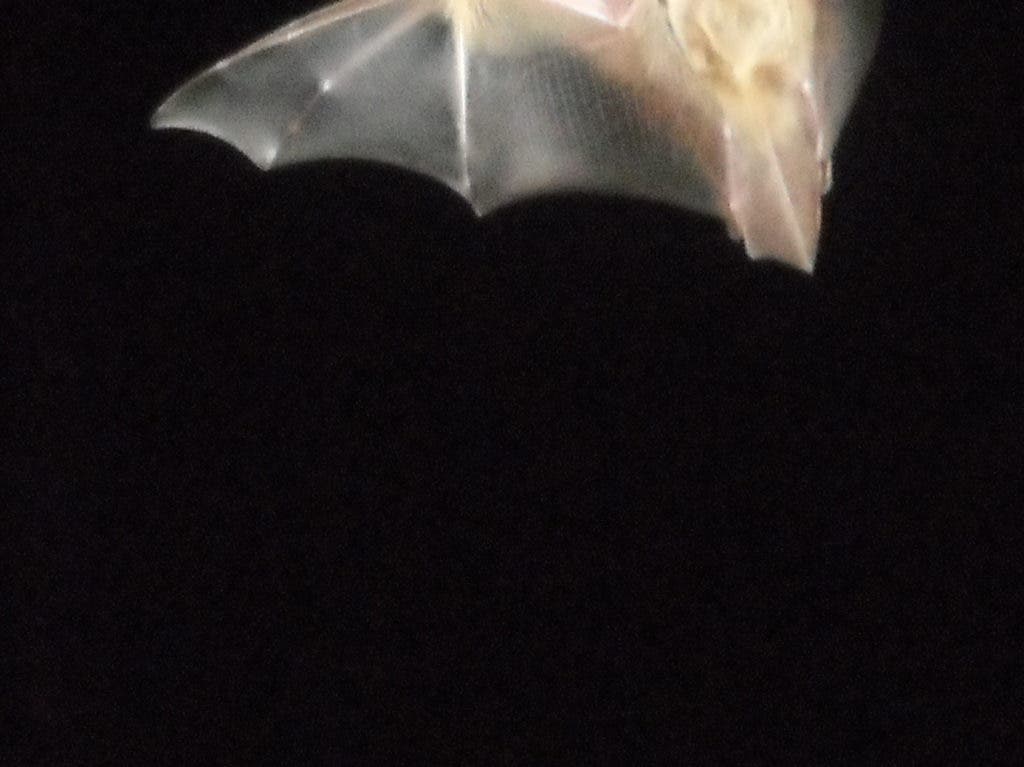
Is it just me or have you noticed more bats this year than in previous years?
When I got home last night, there were three swooping around my lamp post and I have to admit, I was mesmerized by them. They flew just a few feet from where I was standing.
I guess the normal reaction would be to be afraid of them and run inside. But just knowing that they are eating all those mosquitoes in my neighborhood made me want to encourage them more.
Find out what's happening in Bolingbrookfor free with the latest updates from Patch.
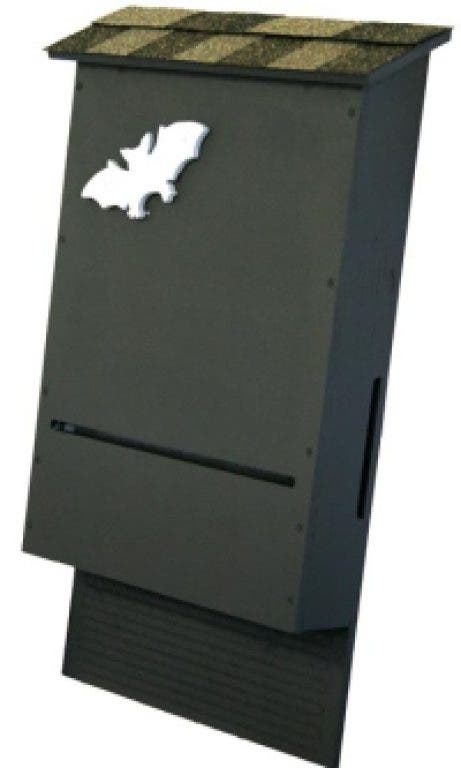
Several years ago, I put up a bat house in my yard and still don’t have any residents. Since I know bats are essential for gardeners, I thought I would research what it would take to attract them to my house. Huge amounts of the insects and pests that invade our yards and ruin our outdoor fun in the summer serve as a bat’s daily diet and I would love nothing more than to get rid of those mosquitoes, yellow jackets and other gardening nightmares.
While there are many places and websites you can buy a bat house, they can be easily made on their own.
Find out what's happening in Bolingbrookfor free with the latest updates from Patch.
TO MAKE A SUCCESSFUL BAT HOUSE:
- Should be at least 2 feet tall, with chambers at least 20 inches tall and 14 inches wide. They need a landing area that extends below the entrance at least 3 to 6 inches. The more roosting chambers, the better. Wood surfaces should be scratched or grooved horizontally or covered with a durable square plastic 1/8 inche or quarter-inch mesh. Vents could also be helpful to combat the heat in our region during the summer months.
- A combination of exterior plywood and cedar would be the best choice of wood. Plywood for the exterior should be at least one-half inch think with at least 4 plies. Do not use pressure-treated wood. Any screws, hardware, or stapes must be galvanized, coated, or stainless steel, and all seams should be caulked.
- You can treat the wood with three coats of an exterior grade, water based paint or stain. It should be a dark or medium color so that you can maintain the necessary temperature on the interior, but not make it too hot. Keep in
mind the sun exposure it will get.
WHERE DO YOU MOUNT IT?
1. It should receive at least 10 hours of sun.
2. It should be mounted on buildings or poles at least 12 feet above the ground, with a 15 to 20 foot heights being more desirable. It should not be lit by any
bright lights.
3. Bats need to be protected from predators, so place the house at least 20 to 25 feet from the nearest tree branches, wires or other potential perches for aerial predators. Along a forest edge or near a water edge would be most beneficial, but
for those of us that don’t have either, follow the height guidelines.
4. Wasp nests can prove to be a problem if you don’t use three-fourths of an inch roosting spaces. If a wasp nest accumulates, it should be removed.
A good rule of safety is not to try and touch or catch a bat. If you see one on the
ground, it most likely has rabies or is sick and should be avoided.
You may want to call animal control if that occurs around your house so that it can be properly removed and tested.
What are your thoughts? Bats: friend or foe?