Health & Fitness
Walking With Nature: Walking the DuPage River Greenway in August
The DuPage River Greenway is green and golden as August ends, but hidden along the way are some beautiful blue wildflowers. It's not too late to walk the Greenway and spot these late summer gems.
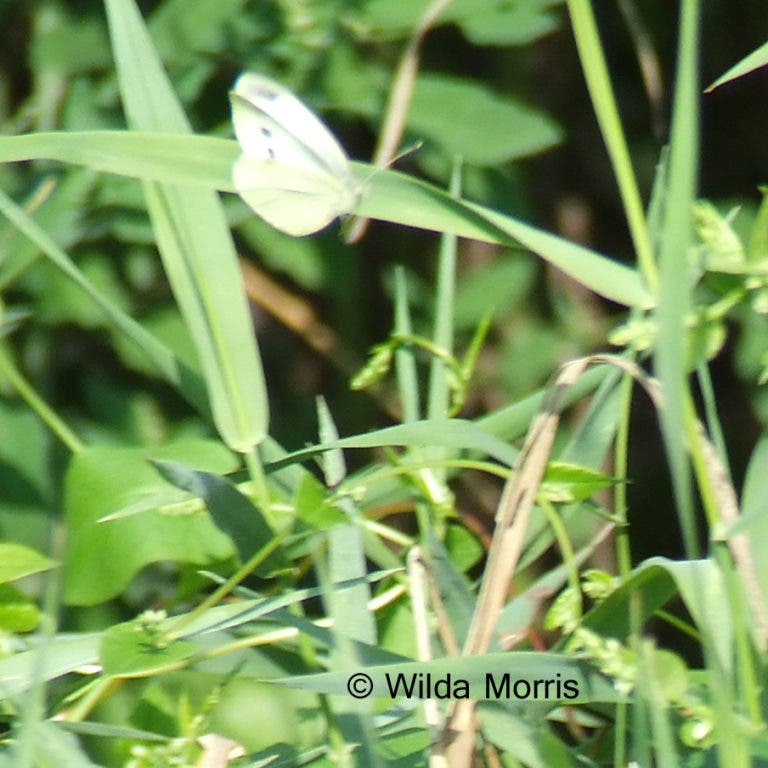


After a long hot and dry spell, Bolingbrook received such heavy rain recently that for a brief time some areas of the DuPage River Greenway were closed due to flooding. The rains of late August ensured that the Greenway would be truly green at the end of the month. That green is enriched with the showy gold of late summer wildflowers and punctuated by the dance of cabbage white butterflies.
Hidden among more prominent colors along the Greenway are delicate blues. Much of the blue comes in the form of bellflowers, blooming in Bolingbrook even as the school bells ring.
The lavender-blue American bellflower (also called the tall bellflower) is a cousin to the bluebell, which probably explains how it got its misleading name. The American bellflower is not bell-shaped or even cupped; rather, it is a five-pointed star. Despite the name, it is a welcome aspect of the natural landscape.
Find out what's happening in Bolingbrookfor free with the latest updates from Patch.
Like many other wildflowers, the American bellflower has been used as a medicinal herb. Iroquois and Meskwaki Indians treated coughs and respiratory ailments with parts of the bellflower.
Another lovely blue wildflower now in bloom is the great blue lobelia, also a member of the bellflower family that is not shaped like a bell. This asymmetrical flower has two upper and three lower lobes.
Find out what's happening in Bolingbrookfor free with the latest updates from Patch.
Like its cousin, the American bellflower, the great blue lobelia was used as in Native American medicine. The Iroquois used it to cure coughs. The Cherokee believed that an infusion of the roots of the great blue lobelia and cardinal flower was effective against nosebleed.
The Meskwaki and some other Native American groups used the great blue lobelia as a divorce-preventive. They mashed the roots and surreptitiously put some in a dish of food. If both husband and wife ate from the dish, their marriage would survive. I’m told that the flower is poisonous, and that eating it may induce vomiting, so I don’t advise you to try this remedy.
Medical practitioners today use lobeline, which is derived from the great blue lobelia and related plants, as an aid to people who want to quit smoking. They are also experimenting with its use in treatment of adult ADHD and arrhythmia.
As for me, I’m content just to enjoy the plants as I walk the Greenway. These two blue beauties, the American bellflower and the great blue lobelia tend to have fairly long blooming seasons. It’s not too late for you to find and enjoy them if walk the Greenway between Royce Road and Hidden Lakes Trout Farm. If you get there soon enough, the cabbage white butterfly may dance along the path near you.
© 2012 Wilda Morris