Health & Fitness
What are GMOs? And How Do You Know If You Are Eating Them?
GE (genetic engineering) is the same thing as GMO (genetically modified organisms) and GM (genetically modified). They all mean the same thing… but what exactly does it entail?
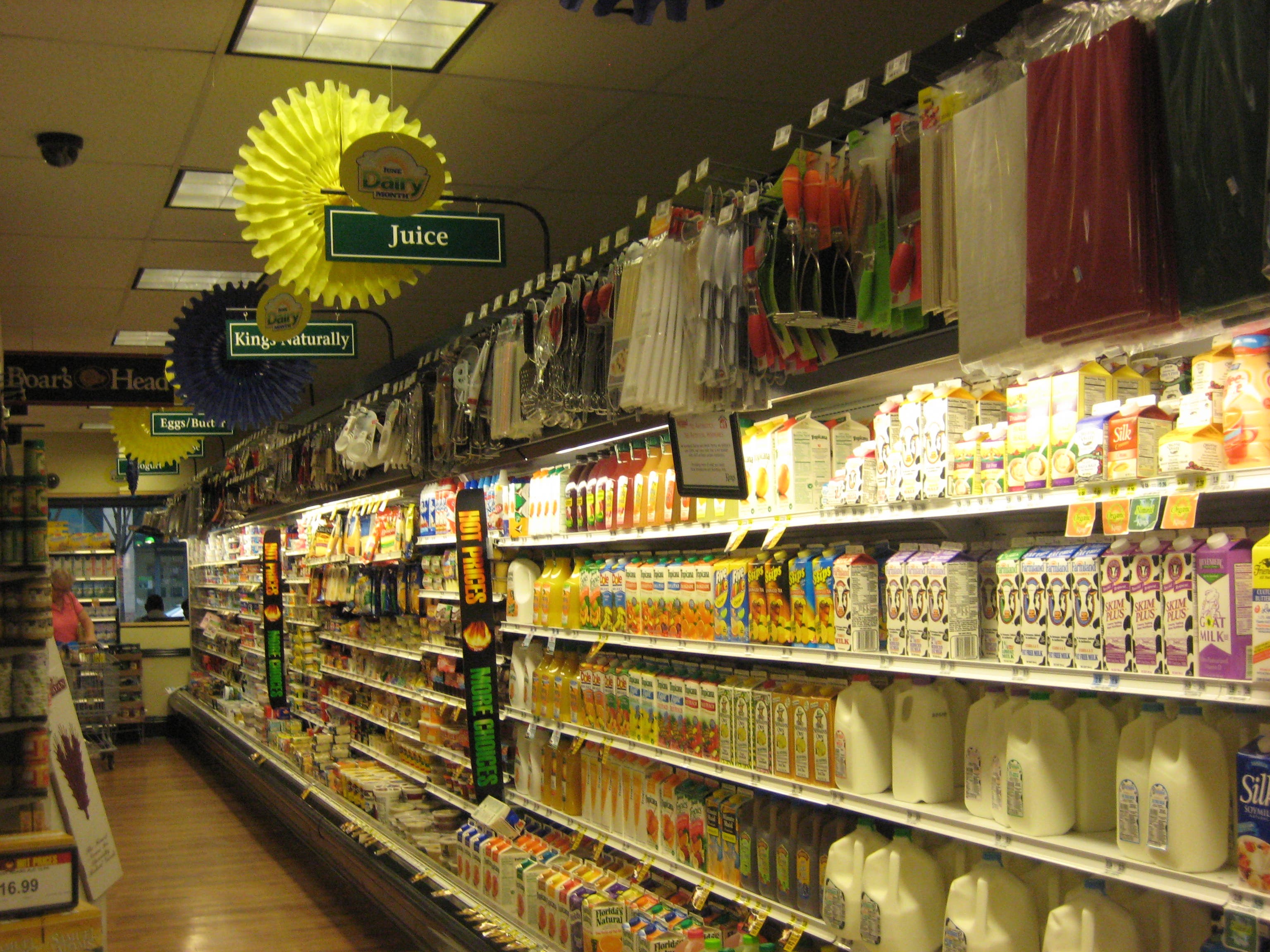
I was teaching a class on sugar addiction the other day and got to the subject of beet sugar. So, I asked the class if they knew what GMOs are.
Their answers varied from “a very large chicken” to “tomatoes that can’t freeze.” It’s one of those terms that has been around for a while now and is in the news periodically, but there still seems to be some confusion among the general public.
GE (genetic engineering) is the same thing as GMO (genetically modified organisms) and GM (genetically modified). They all mean the same thing… but what exactly does it entail?
Find out what's happening in Bolingbrookfor free with the latest updates from Patch.
Genetic engineering involves taking genes from one species and inserting them into another, unrelated species. For example, genes from fish which has "antifreeze" properties may be spliced into a tomato to prevent frost damage. So, that student was on the right track.
This type of technology is called “transgenic” technology and has been used in over 40 species of plants for food and fibers. In crops, the technology has generally been used to incorporate genes that enhance resistance to insecticides, herbicides or pesticides, enhance drought tolerance, encourage higher yields or promote the ability to plant more in a smaller area.
Find out what's happening in Bolingbrookfor free with the latest updates from Patch.
What are GMO foods?
Today, over 80 percent of US corn, soybean and cotton crops are genetically modified.
- GM sugar beets were introduced in 2008, and today 90% of the sugar beets grown in the U.S. are genetically modified. Sugar beets are used to make sugar.
- 75% of all processed foods contain genetically modified foods.
- The eight GM food crops are corn, soybeans, canola, cottonseed, sugar beets, Hawaiian papaya (most) and a small amount of zucchini and yellow squash.
How do you know if you eat GM Foods?
If you drink milk or eat beef, bacon, chicken or processed foods such as cereals, breakfast bars and desserts with ingredients like high fructose corn syrup and soy lecithin, then yes, GM crops are part of your diet.
Remember that the majority of our corn and soy come from GM seed, and that these crops are generally used as feed for cattle, hogs and poultry, or otherwise used in the many processed foods found in grocery store aisles. Alfalfa is the fourth largest crop grown in the US and is most commonly used to feed dairy cows and beef cattle.
GM soy bean is in about 60 percent of all processed food as vegetable oil, soya flour, lecithin (a byproduct of the soybean oil production) and soy protein. GM maize is in about 50 percent of processed foods as corn, corn starch, corn flour and corn syrup.
What are the dangers of GMOs?
Animal studies have revealed that GM foods have an increased risk of causing:
- Allergic reactions
- Immune problems
- Infertility
- Accelerated aging
- Changes in major organs and the gastrointestinal system
- Environmental hazards
Please Contact me for the rest of the article and to find out how to get rid of GMOs in your diet.