Health & Fitness
Be Careful Exercising in Summer Heat
Heat injury can be life-threatening. If you take the right precautions there is no reason you can't get in some great, outdoor exercise, even though the thermostat is on the rise.
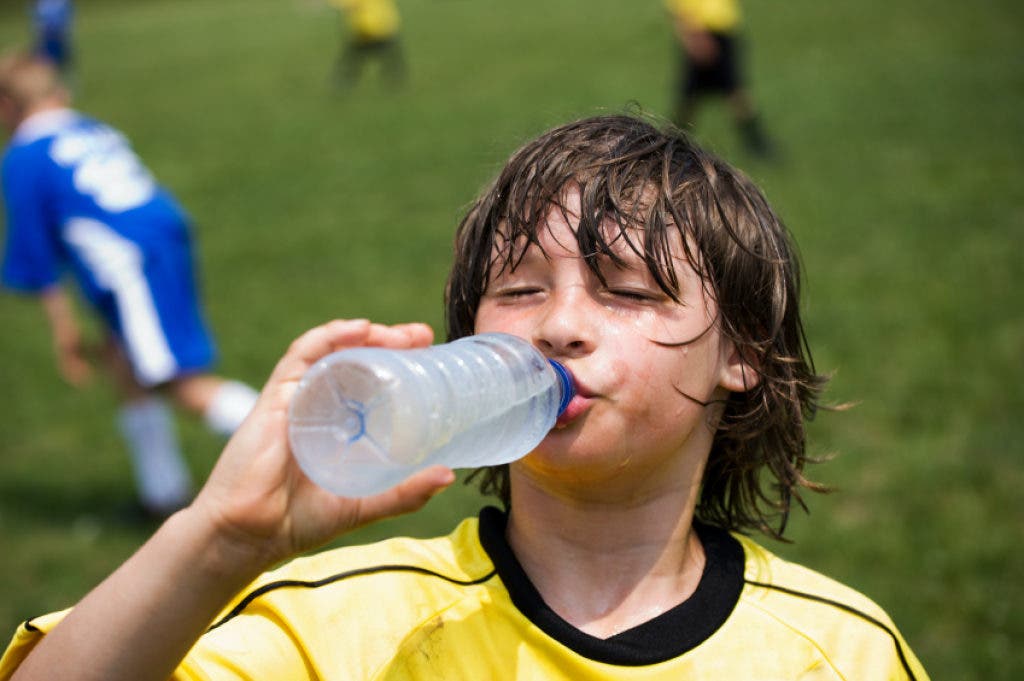
It’s already been one of the warmest years in decades and the 90 plus degree temperatures just keep coming. It’s always important to be conscious of weather conditions when you exercise, but especially when it comes to extreme heat. Heat injury can be life-threatening. If you take the right precautions there is no reason you can’t get in some great, outdoor exercise, even though the thermostat is on the rise.
Though those big, wet stains on our shirts and shorts aren’t pretty, sweat is integral to keeping us healthy in the heat. It’s our body’s way of cooling off. But, as we perspire we lose necessary body fluids which lead to dehydration. When we become dehydrated we lose the ability to sweat appropriately and become susceptible to heat injury. There are many factors that can lead to injury and need to be considered before exerting yourself on a hot day.
- Humidity influences how easily sweat can be evaporated off our skin. Sweat must be evaporated to cool off the body. When humidity is 60 percent or greater it is difficult for sweat to evaporate in the air.
- Clothing choice is just as important when exercising in the summer months as in the winter months. Dark clothing absorbs heat and can drastically increase the chance of heat stress.
- Sun exposure can lead to skin cancer and increase your body temperature. So be sure to slather on the screen and reapply it every two hours. Also look for shaded places to exercise to help keep your core temperature down.
- Acclimatization allows our body time to adjust to the heat. So, take is slow at first and make sure you’re in good health before exerting yourself in the heat.
- Age is an important consideration. Children have a more difficult time adjusting to the heat than adults and are less effective at regulating body heat. So, take extra care with kids in the heat.
- Dehydration, even in mild levels, can hurt athletic performance. If you don’t have enough fluids you can’t effectively cool yourself off.
- Pre-activity hydration is a must before you head outdoors to exercise. If you are dehydrated before beginning your exercise routine you are at greater risk for heat injury. Make sure you are hydrated before, during and after exercising in the heat.
- High body fat levels make it more difficult for a body to cool itself off.
- Medications such as diuretics and stimulants can increase your risk of heat injury so check with your doctor if you are taking any medications before exercising in the heat.
- Fevers already have caused the body temperature to rise. If you have a fever or recently had a fever you should not exercise in the heat. Your core body temperature is already high and this leaves you susceptible to heat injury.
The most severe type of heat injury is heat stroke which can happen suddenly and can be deadly. When suffering a heat stroke your body can’t cool itself. Your core temperature can rise to 104 degrees F causing organ system failure. If you think someone is suffering from heat stroke, call 911 immediately. Then, move them out of the sun and cool them off with cold towels, fans or an ice bath, if available.
Find out what's happening in Burr Ridgefor free with the latest updates from Patch.
To avoid this extremely dangerous condition prevention is critical. Here are a few tips:
- Break frequently to rest and rehydrate. This is essential to prevent heat injury.
- Make sure you are hydrated, but not overly hydrated. Drink when you feel thirsty and monitor your urine output. The darker your urine the less hydrated you are. Drink enough fluids to keep your urine a very light color. Over hydrating can be dangerous as well so the best way to know is to listen to your body and drink when you are thirsty.
- Weigh yourself before and after activity to monitor water loss. Make sure you have replaced fluids before your next exercise session.
- Gradually increase activity in the heat over a period of 7-10 days to allow adequate acclimatization.
- Wear light colored clothing and sunscreen
- Schedule outdoor exercise during the coolest times of day, either early in the morning or after sunset.
So, beat the heat and enjoy these warm days. All too soon we’ll be giving sledding tips.
Find out what's happening in Burr Ridgefor free with the latest updates from Patch.
Loyola University Health System sports medicine physicians are dedicated to enhancing sports performance and getting people back in the game. Each season an LUHS sports medicine expert from our facility in Burr Ridge will offer tips to keep you safe and active. Dr. Pietro Tonino, MD, is the director of the Sports Medicine program for Loyola University Health System and is a professor in the Department of Orthopaedic Surgery and Rehabilitation at Loyola University Chicago Stritch School of Medicine.