Health & Fitness
Don’t Get Injured While Golfing A Round
Golf is a great way for people to get moving and enjoy the beautiful weather. Still, injuries are common in golf especially to the ankles, elbow, spine, knee, hip and wrist.
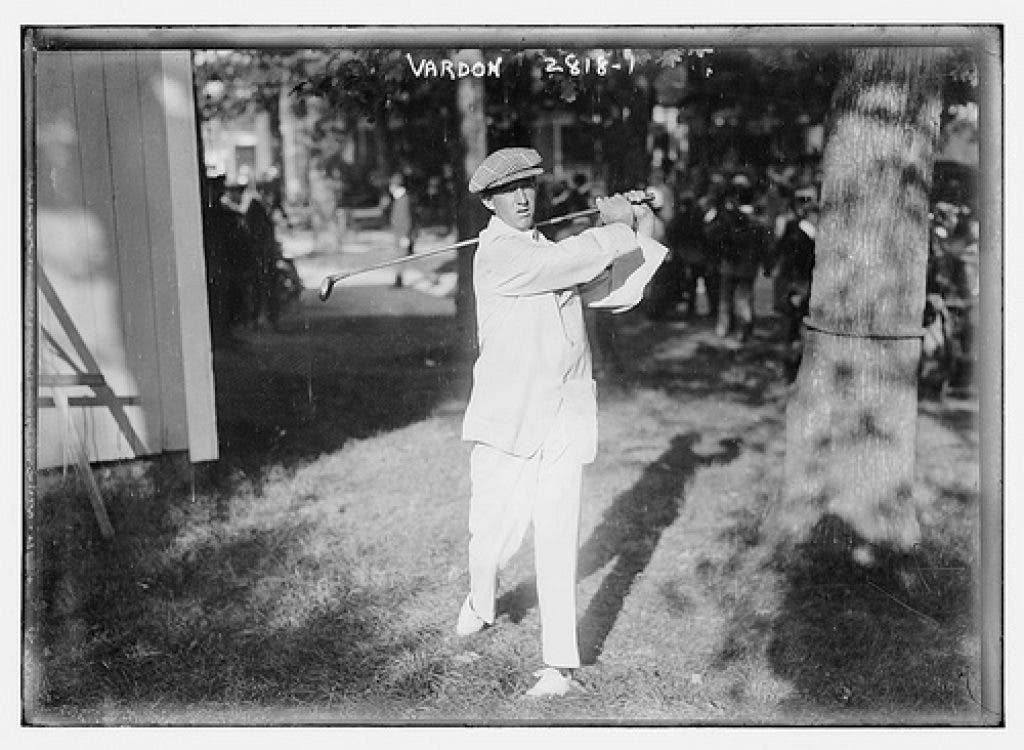
There is nothing like breaking out the golf clubs from their long winter hibernation and hitting the golf course. It’s been even sweeter with the amazing warm weather we’ve had these past few weeks.
Golf is a great way for people of all ages and activity levels to get moving and enjoy the beautiful weather. Still, injuries are common in golf especially to the ankles, elbow, spine, knee, hip and wrist. Most injuries occur from repeating the same swing motion over and over again. This places stress on the muscles, tendons and joints that get repeated use.
Golfer’s Elbow
Find out what's happening in Burr Ridgefor free with the latest updates from Patch.
One of the most common injuries is medial epicondylitis, better known at Golfer’s Elbow. This is an inflammation of the tendons that attach your forearm muscles to the inside of the bone at the elbow.
One way to avoid this injury is to slow your golf swing so there is less shock in the arm when the ball is hit. Also, work on strengthening your forearm muscles by doing simple exercises in- and off-season. Just squeezing a tennis ball and doing wrist curls with low weight dumbbells can make a difference.
Find out what's happening in Burr Ridgefor free with the latest updates from Patch.
Low Back Pain
Another common ailment among golfers is lower-back pain. This is often caused by a poor swing that places pressure on the spine and muscles. Also, poor flexibility and muscle strength can cause minor strains that lead to severe injury.
Strengthen your lower-back muscles by working on flexibility and abdomen strength. Also, look for other back-strengthening exercises such as rowing and pull-downs and perform them several times a week.
Though it may seem old-fashioned, doing some simple stretches before hitting the course can help limit injury. Focus on stretching your shoulders, back and legs. Then, hit a few golf balls on the driving range before starting the game. This will improve your score and your health.
Fore!
Loyola University Health System sports medicine physicians are dedicated to enhancing sports performance and getting people back in the game. Each season an LUHS sports medicine expert from our facility in Burr Ridge will offer tips to keep you safe and active. Dr. Pietro Tonino, MD, is the director of the Sports Medicine program for Loyola University Health System and is a professor in the Department of Orthopaedic Surgery and Rehabilitation at Loyola University Chicago Stritch School of Medicine. He has extensive experience in the evaluation and treatment of ACL (anterior cruciate ligament) injuries both in male and female athletes and prevention strategies for ACL injuries.