Health & Fitness
How to Play Hockey and Keep Your Smile
Think playing hockey means having no teeth? Think again. Hockey can be a great winter sport when played safely.
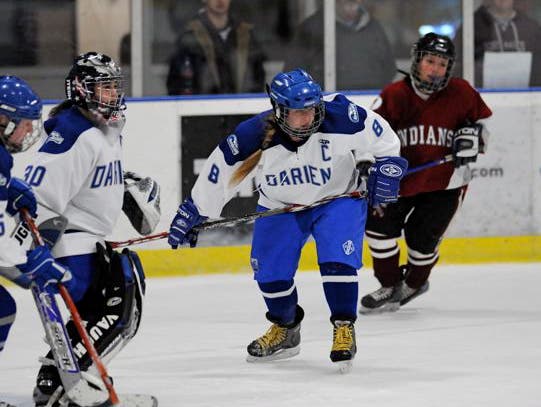

Hockey players have been complaining about the game’s violence for years. It’s just with no teeth no one can understand them. Terrible joke I know, but that is the perception that many have about hockey. It’s violent and all the players have no teeth.
In reality hockey is a great game that with the right equipment and training can be played safely.
Before You Hit the Ice
Find out what's happening in Burr Ridgefor free with the latest updates from Patch.
Playing hockey requires training and special equipment so even before you hit the ice make sure participants know how to ice skate forward and backward. Many ice rinks offer pre-hockey skating classes to teach the fundamentals.
Hockey requires a lot of protective equipment but let’s start with the basics – ice skates.
Find out what's happening in Burr Ridgefor free with the latest updates from Patch.
Hockey skates are different than figure skates. Most people start ice skating in figure skates since that is what is common in most rental places. Here are a few differences between the two.
Figure Skates:
Blades have toe picks which allow a person to jump and spin
The blade is longer and heavier and is often separately mounted onto the boot
The boot is made out of leather
Hockey Skates:
Have a shorter, lighter blade that allows for speed and quick stops
The boot is more comfortable than a figure skate boot
The blade is usually soldered directly onto the boot
There is no toe pick on the blade
Other necessary safety equipment includes:
- Helmet
- Mouth guard
- Face shield
- Shoulder pads
- Elbow pads
- Gloves
- Jersey
- Girdle and shell pants
- Cup/supporter
- Shin guards
If your child is a goalie he or she will need:
- Face shield
- Leg pads
- Catch glove
- Blocker
- Chest and arm protector
- Helmet with face mask
- Special goalie skates and stick
It may sound simple but just ensuring the hockey gear fits properly plays a huge role in limiting injuries.
Loyola Sports Medicine Tips
Loyola University Health System sports medicine physicians are dedicated to enhancing sports performance and getting people back in the game. Each season an LUHS sports medicine expert from our facility in Burr Ridge will offer tips to keep you safe and active. Dr. Pietro Tonino, MD, is the director of the Sports Medicine program for Loyola University Health System and is a professor in the Department of Orthopaedic Surgery and Rehabilitation at Loyola University Chicago Stritch School of Medicine. He has extensive experience in the evaluation and treatment of ACL (anterior cruciate ligament) injuries both in male and female athletes and implementation of prevention strategies for ACL injuries.