Health & Fitness
Recreational Athletes Coming Out of Hibernation Can Equal Injuries
People who haven't been active all winter suddenly return to action without proper training and conditioning can result in needless injuries.
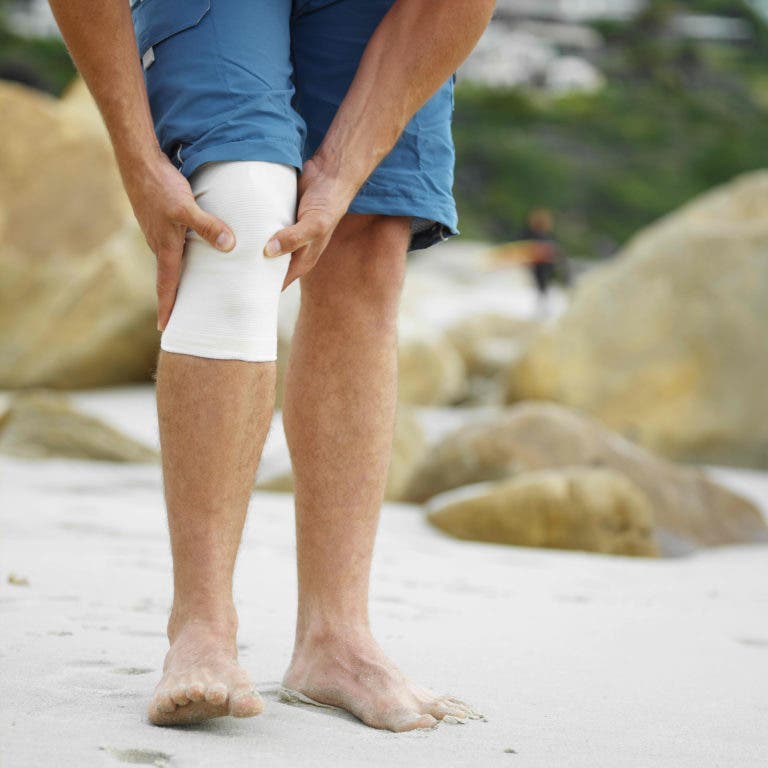

We see it every spring. Recreational athletes come out of hibernation. People who haven't been active all winter suddenly return to action without proper training and conditioning can result in needless injuries.
Ideally, an athlete should remain active and do conditioning exercises year round. An athlete who has spent the winter on the couch should return to action gradually, taking four to six weeks before going 100 percent.
Recreational athletes can suffer acute injuries, such as wrist fractures, ankle sprains and shoulder dislocations, and overuse injuries, such as tennis elbow, swimmer's shoulder, runner's knee and shin splints.
Find out what's happening in Burr Ridgefor free with the latest updates from Patch.
Overuse injuries typically occur when athletes try to do too much, too quickly. The old training rule of 'no-pain-no-gain' is a recipe for injuries.
Other risk factors for injuries include bad weather or field conditions, incorrect equipment, prior injuries and underlying conditions that predispose an athlete to injury, such as bowed legs or high foot arches. Women are more prone to anterior cruciate ligament (ACL) knee injuries.
Find out what's happening in Burr Ridgefor free with the latest updates from Patch.
More than 3.7 million people go to the emergency room each year for sports-related injuries and another 3.5 million receive outpatient care. In athletes older than 25, recreational sports such as golf and racquet sports account for 2.1 injuries per 1,000 persons. Exercising, including running and walking, account for 1.9 injuries per 1,000 people, according to the STOP Sports Injuries campaign. (The campaign was initiated by the American Orthopaedic Society for Sports Medicine.)
Don’t be one of them. Here are some safe-exercise tips from the American Academy of Orthopaedic Surgeons:
-- Use proper equipment. Replace worn athletic shoes and wear comfortable, loose-fitting clothes.
-- A fitness program should include cardiovascular exercise, strength training and flexibility.
-- Warm up and stretch before exercise, and make cooling down the final phase of your exercise routine.
-- Drink enough water to prevent dehydration.
-- Take days off from exercise and rest when tired.
Loyola Sports Medicine Tips
Loyola University Health System sports medicine physicians are dedicated to enhancing sports performance and getting people back in the game. Each season an LUHS sports medicine expert from our facility in Burr Ridge will offer tips to keep you safe and active. Dr. Pietro Tonino, MD, is the director of the Sports Medicine program for Loyola University Health System and is a professor in the Department of Orthopaedic Surgery and Rehabilitation at Loyola University Chicago Stritch School of Medicine. He has extensive experience in the evaluation and treatment of ACL (anterior cruciate ligament) injuries both in male and female athletes and prevention strategies for ACL injuries.