Schools
Troy school’s Explore Department a hidden gem
William B. Orenic Intermediate School offers a variety of options for engaging students

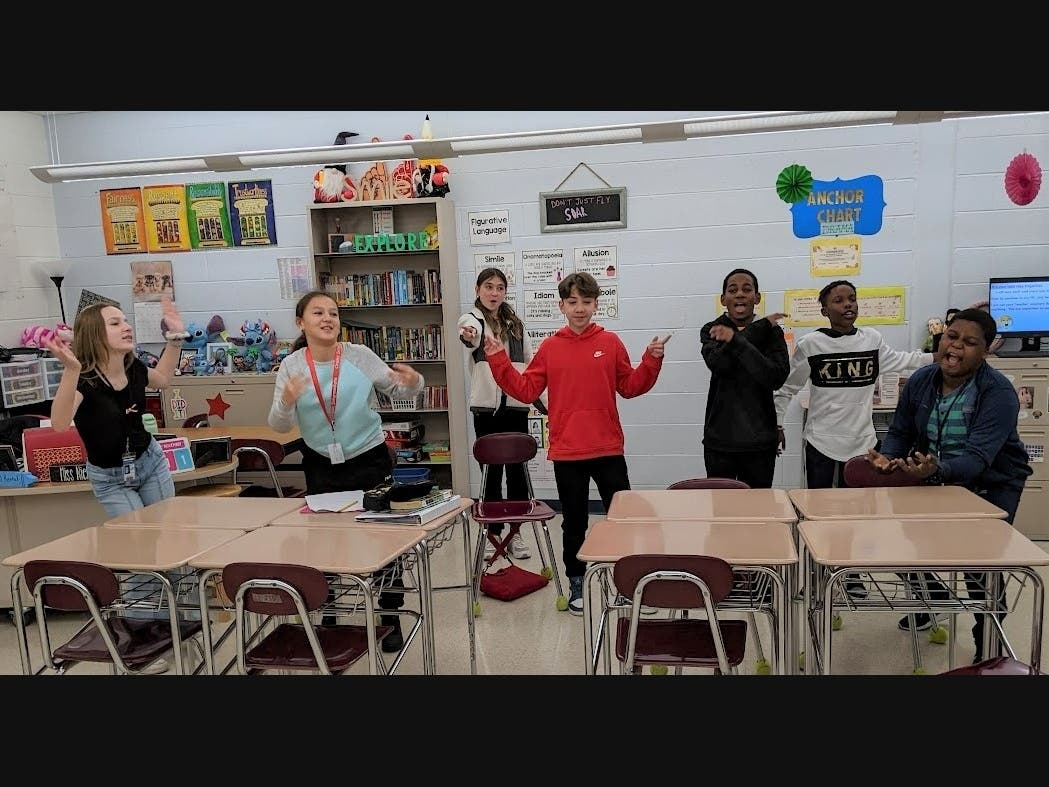

What used to be called, “electives,” are now under the umbrella of William B. Orenic Intermediate School’s Explore Department and include such one-trimester classes (each 12 weeks long ) as Applied Technology with Literature, Citizenship through Community Service, Communication Applications, Digital Arts, Enhanced Technology and General Music.
Most are already aware of Troy Community School District 30-C’s award-winning and more traditional band and choir programs, which also fall under the Explore umbrella, but the other classes in the Explore Department might be called the “hidden gems” of the curriculum.
“They are all project-based,” Applied Technology with Literature teacher Jennifer McGowan said. “The kids have so much fun. Students need a choice in their classes to explore their interests. What they learn here is also important in career readiness and presents social opportunities that are really customized to what kids need.”
For example, McGowan said one of her students grew an interest in the axolotl salamander, which is near extinction. Scientists are very interested in these animals because of their ability to regenerate limbs, gills and parts of their eyes and brains. The student turned that interest into a research project for the class.
Teacher Chelsea Stoltz said students in her Citizenship through Community Service class use social-emotional skills to learn what it means to be good citizens. They culminate the trimester with a community service project, such as working with “Feed my Starving Children” or a local dog shelter.
“In my Enhanced Technology class,” teacher Erin Locke said, “students begin the basics of computer coding. We work with block coding and focus on skills such as perseverance, persistence and troubleshooting. Students also go through the basic design process for 3D printing and get to see their creations come to life on one of our 3D printers.”
Ann Provencher’s Communication Applications can be thought of as improv projects designed to help students find their voice and talent through such venues as theater and public speaking. At the end of the unit, students say the experience improved their speaking skills, bettered their ability to work with others and made them more confident in their lives.
Students in Jennifer Luper’s Digital Arts class use industry-level apps to explore projects they create digitally. They also learn skills they can use outside of the digital art realm. They become comfortable exploring what art is and how they can express that through apps and digital processes.
In Ryan Martin’s music class, students create and discuss music on various levels, including using an online digital audio workstation to compose songs by piecing together music loops and to create a podcast to discuss music. In their last unit, students learn to play and sing with a ukulele for an in-class performance.