Neighbor News
Beyond Anime: Exploring Asian Pop Culture in Conventions
Uncover the broader spectrum of Asian pop culture at conventions!

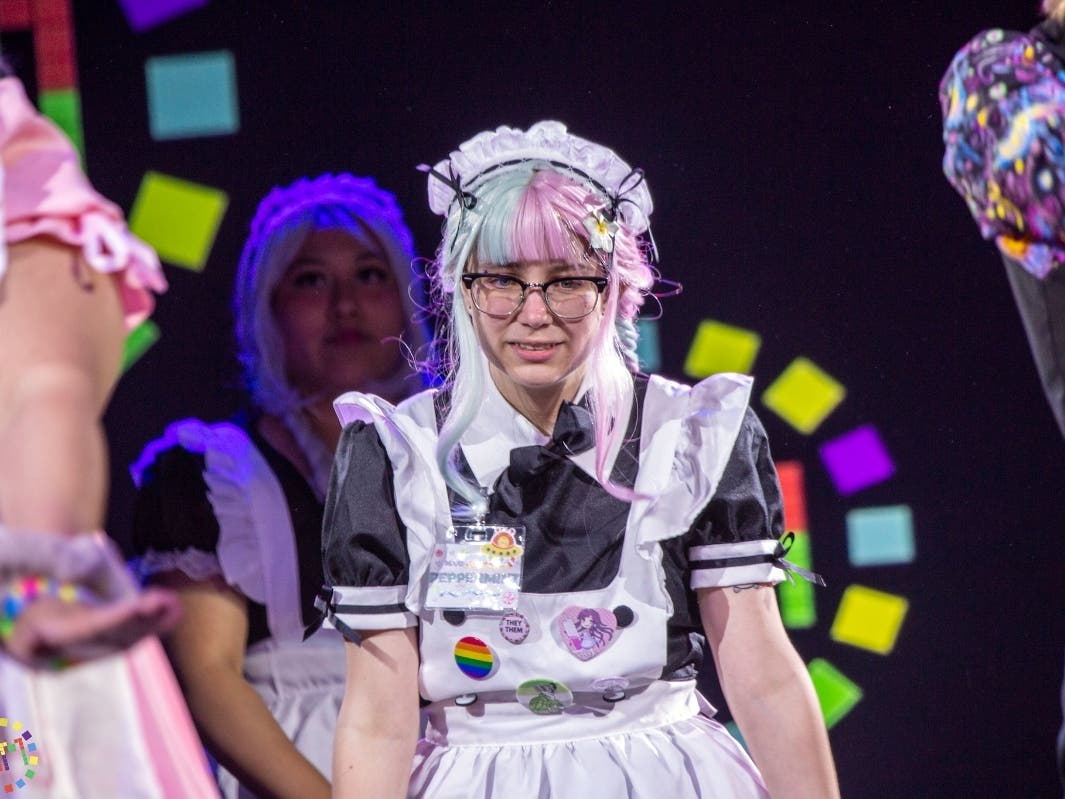
In recent decades, the influence of Asian pop culture, particularly through anime, manga, K-pop, and J-pop, has transcended regional boundaries, shaping global entertainment landscapes. This cultural phenomenon has become a focal point in conventions worldwide, sparking a new era of exploration and appreciation.
Asia's cultural influence has undergone a profound evolution, with the emergence of anime and manga serving as pivotal milestones. Originating in Japan, anime, or animated television shows and films, gained popularity domestically in the mid-20th century. The post-war period saw the rise of iconic creations like Astro Boy, marking the formal inception of the anime industry.
Simultaneously, manga, Japanese comic books or graphic novels, gained traction as a literary form. The unique storytelling styles and intricate artwork appealed not only to Japanese audiences but also garnered an international following.
Find out what's happening in Chicagofor free with the latest updates from Patch.
The global spread of Asian pop culture gained momentum in the latter part of the 20th century. As technological advancements facilitated easier access to Japanese media, anime and manga transcended linguistic barriers, captivating audiences worldwide. The appeal lay not only in the artistic animation but also in the narrative depth and thematic exploration that often exceeded the conventions of Western animation.
Influence on Western Media
The influence of Asian pop culture, particularly anime and manga, extended beyond entertainment into Western media. Animators and creators globally began integrating Japanese storytelling techniques, character tropes, and visual styles into their works. This cross-cultural fertilization became evident in animated series and films, with Western cartoons adopting elements such as complex character arcs and serialized narratives inspired by their Asian counterparts.
Find out what's happening in Chicagofor free with the latest updates from Patch.
Moreover, the impact of Asian pop culture penetrated mainstream pop culture, with iconic franchises like Pokémon, Dragon Ball, and Sailor Moon becoming household names in various parts of the world. This integration marked a shift in the perception of animated content, no longer relegated to a niche audience but embraced by a broad and diverse viewership.
The evolution of Asian pop culture was not limited to animation. Manga adaptations, live-action films, and video game exports further solidified the global appeal of Japanese entertainment. Asian pop culture became a dynamic force, reshaping the landscape of global entertainment and contributing significantly to the broader cultural exchange between East and West.
Diverse Elements of Asian Pop Culture
The reach of Asian pop culture extends far beyond animated content, encompassing various forms of artistic expression. Manga, a staple of Japanese literature, is a prominent medium, offering serialized narratives and diverse genres. Often serving as source material for anime adaptations, manga serves a global readership, contributing to the richness and diversity of Asian pop culture.
In addition to manga, the influence of Asian pop culture is evident in the realm of video games. Japan, home to gaming giants like Nintendo and Sony, has left an indelible mark on the industry. Games like Final Fantasy, Pokémon, and Legend of Zelda have not only achieved commercial success but have also influenced game design and storytelling on a global scale.
.jpg)
K-Pop and J-Pop Phenomenon
Asian pop culture is perhaps most palpable in the realm of music, with the rise of K-pop and J-pop transcending linguistic and cultural barriers. K-pop, characterized by its catchy tunes, elaborate choreography, and visually stunning music videos, has become a global musical phenomenon. Groups like BTS and BLACKPINK have amassed an international fanbase, showcasing the power of cross-cultural appeal.
Similarly, J-pop, the Japanese pop music genre, has a storied history. Influencing genres worldwide, from electronic dance music to rock, J-pop artists like Hikaru Utada and Arashi have enjoyed both domestic and international success. The fusion of traditional Japanese musical elements with modern production techniques contributes to the diversity of Asian pop music.
Traditional and Contemporary Fashion
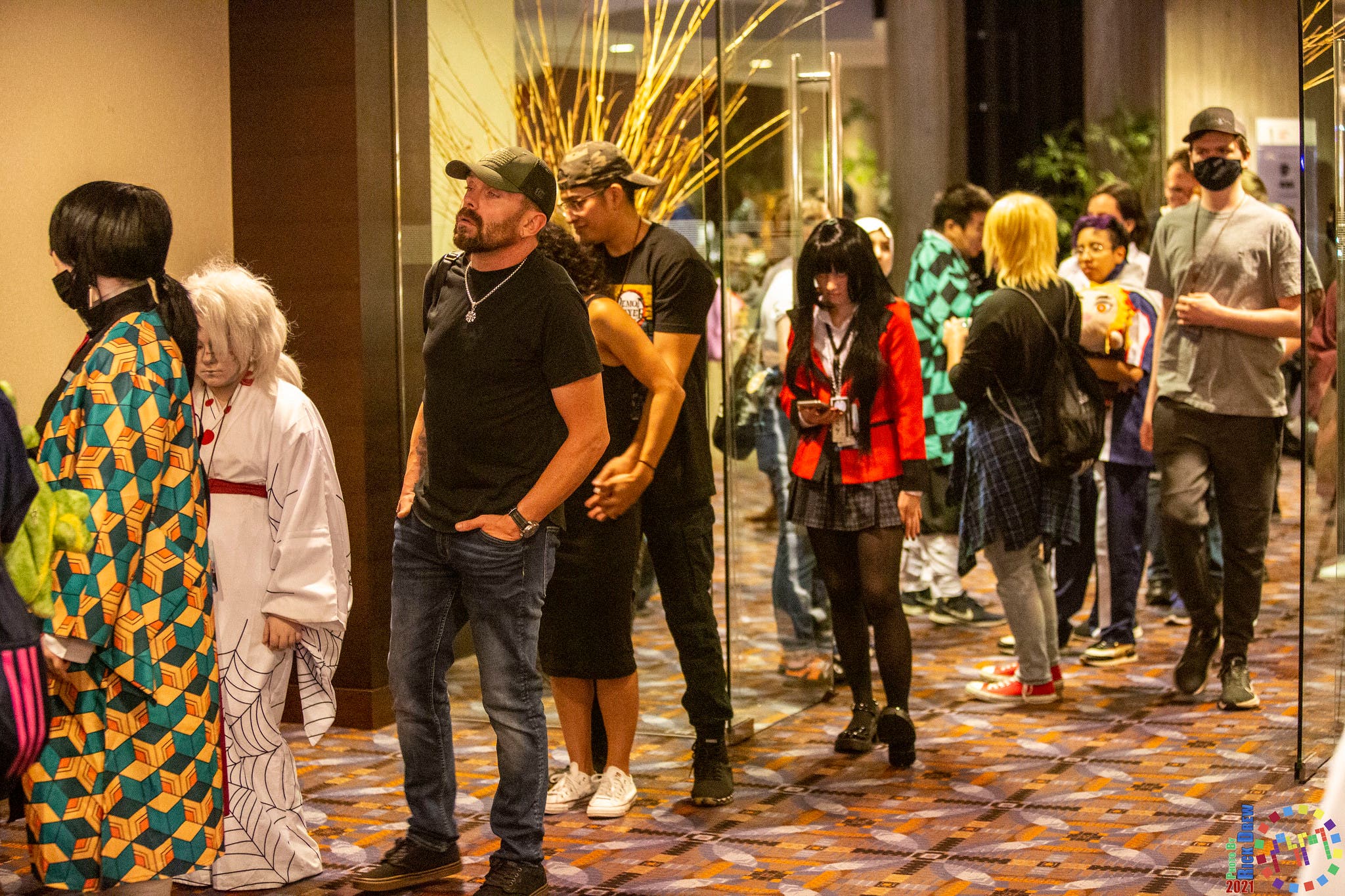
Asian pop culture is also a trendsetter in the world of fashion. Cosplay, the practice of dressing up as characters from anime, manga, or video games, has become a global phenomenon. Conventions worldwide feature elaborate and creative costumes, showcasing a fusion of traditional and contemporary elements. This dynamic form of self-expression reflects the intersection of pop culture and fashion trends.
Moreover, Asian street fashion has gained recognition for its eclectic and innovative styles. Harajuku fashion in Japan, characterized by its avant-garde and experimental nature, has inspired designers globally. The integration of traditional Asian attire into modern fashion statements further exemplifies the diverse and evolving nature of Asian pop culture's influence on the global fashion landscape.
Conventions as Hubs for Asian Pop Culture
Conventions, once primarily focused on Western comics, have evolved into inclusive spaces that celebrate a broad spectrum of popular culture, prominently featuring Asian influences. The transformation is exemplified by events such as Comic-Con and Anime Expo, which have shifted from niche gatherings to massive, globally recognized celebrations of diverse entertainment.
The inclusion of Asian pop culture in conventions reflects a broader societal shift in cultural consumption. As anime, manga, and other Asian media gained international popularity, conventions adapted to cater to the burgeoning interests of a diverse and enthusiastic audience. This evolution has turned these events into comprehensive hubs for exploring not only traditional geek culture but also the richness of Asian pop culture.
Panel Discussions and Workshops
Conventions serve as platforms for in-depth exploration and discussion of Asian pop culture through panel discussions and workshops. These sessions delve into various aspects, from dissecting thematic elements in anime and manga to providing hands-on experiences, such as K-pop dance workshops. Experts and enthusiasts alike converge to share insights, fostering a community that values education and engagement.
These discussions not only contribute to a deeper understanding of Asian pop culture but also provide a space for fans to connect with like-minded individuals. Themes explored in these panels often extend beyond mere entertainment, touching on cultural nuances, societal reflections, and the evolving nature of storytelling in the digital age.
Cosplay and Fashion Shows
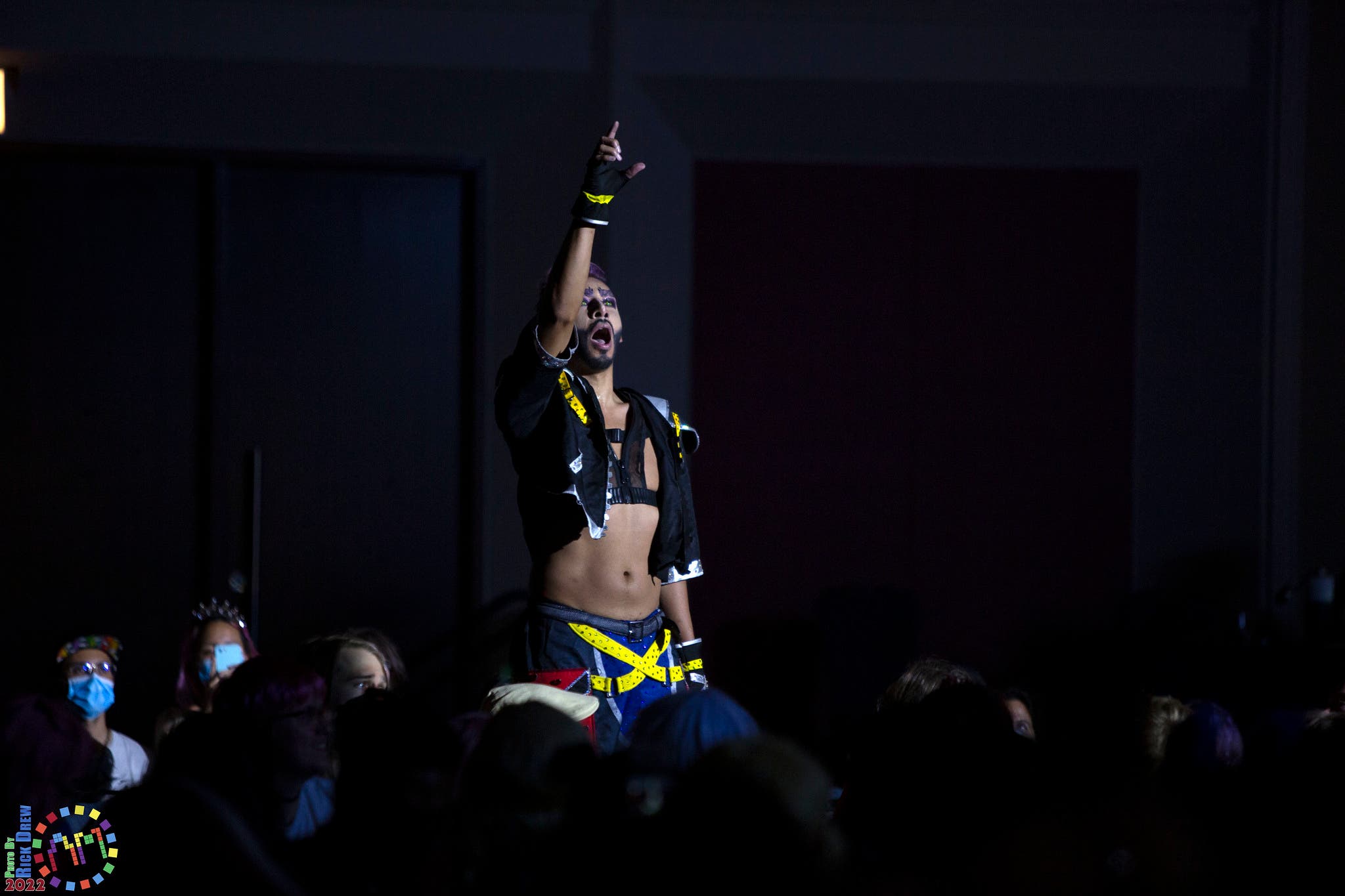
Cosplay, a portmanteau of "costume" and "play," is a cornerstone of conventions, offering attendees the opportunity to embody their favorite characters. Beyond being a form of self-expression, cosplay showcases the fusion of traditional and contemporary elements, as enthusiasts draw inspiration from both historical and pop culture references.
Fashion shows within conventions further highlight the dynamic intersection of Asian pop culture and style. From traditional Japanese kimono adaptations to futuristic anime-inspired designs, these showcases exemplify how conventions have become stages for celebrating the diversity and creativity inherent in Asian fashion trends.
Community Engagement
The global embrace of Asian pop culture has given rise to vibrant and interconnected fandoms that extend far beyond the physical boundaries of conventions. Social media platforms, online forums, and dedicated websites serve as virtual meeting grounds for enthusiasts to share their passion for anime, manga, K-pop, J-pop, and more.
These digital communities facilitate discussions, fan theories, and the exchange of fan-created content. Social media, in particular, plays a pivotal role in shaping the narrative of Asian pop culture, with hashtags and trends propelling specific shows, artists, or trends into the mainstream conversation. The immediacy of online platforms allows fans to engage with content in real-time, creating a global tapestry of shared experiences.
Networking and Collaboration
Conventions act as crucial nexus points for networking and collaboration within the Asian pop culture community. Artists, creators, and industry professionals converge to showcase their work, discuss upcoming projects, and forge connections. This collaborative spirit extends beyond the convention walls, fostering partnerships that transcend geographical boundaries.
Online collaborations further amplify this interconnectedness. Webinars, virtual panels, and digital art collaborations enable participants to engage with and learn from professionals in the field, fostering an environment of continuous learning and skill development.
The collective power of these networks has led to the emergence of global collaborations, with artists and content creators from different parts of the world coming together to produce diverse and innovative projects. This collaborative spirit not only strengthens the bonds within the community but also contributes to the continuous evolution and globalization of Asian pop culture.
Diversity in Representation
One of the strengths of community engagement within Asian pop culture is its emphasis on diverse representation. Fans actively advocate for inclusivity and the portrayal of a wide range of identities within the media they love. This push for representation extends to conventions, where organizers increasingly prioritize diverse panels, guests, and content that reflect the rich tapestry of their global audience.
Moreover, the community's vocal stance on diversity and inclusion serves as a catalyst for positive change within the industry. The demand for authentic and nuanced representation has led to the creation of more inclusive narratives and characters, challenging stereotypes and broadening the appeal of Asian pop culture on a global scale.
Challenges and Criticisms
The globalization of Asian pop culture has not been without its challenges, and one of the prominent issues is the appropriation of elements without a thorough understanding of their cultural context. The line between appreciation and appropriation can be delicate, and instances of misrepresentation or oversimplification of cultural nuances have sparked debates within the community.
For example, the adoption of traditional Asian attire, hairstyles, or symbols without proper acknowledgment or respect for their cultural significance can perpetuate stereotypes and contribute to cultural commodification. Conventions, as hubs of diverse cultural exchange, grapple with addressing these concerns and striking a balance between celebration and cultural sensitivity.
Representation and Diversity Issues
While strides have been made in advocating for diversity and inclusion within Asian pop culture, challenges persist regarding representation. Certain genres or themes may still be dominated by specific narratives or character archetypes, potentially reinforcing stereotypes or limiting the portrayal of diverse identities.
Issues of whitewashing, where non-Asian actors are cast in roles originally written as Asian, continue to generate controversy. The push for authentic representation is an ongoing conversation, and conventions find themselves at the forefront of addressing these concerns by promoting diverse panels, guest speakers, and content that reflects the multifaceted nature of Asian cultures.
Commercialization and Mainstreaming
The increasing popularity of Asian pop culture has led to its commercialization, with mainstream media and industries capitalizing on its global appeal. While this provides exposure and opportunities for creators, it also raises questions about the potential dilution of the authentic cultural elements that make Asian pop culture unique.
The mainstreaming of Asian pop culture can sometimes result in a homogenized representation that caters to a broad audience, potentially overlooking the nuances and diversity within Asian societies. Conventions, as platforms that bridge creators and consumers, navigate the challenge of balancing commercial interests with preserving the authenticity and richness of Asian pop culture.
Addressing these challenges requires ongoing dialogue, education, and a commitment to fostering a community that is not only passionate about the entertainment it loves but also conscientious about the impact and implications of its global influence. Conventions, as focal points of this cultural exchange, play a crucial role in shaping the narrative and addressing these challenges head-on.
About Con+Alt+Delete 2023
Con+Alt+Delete (CAD) 2023, the ultimate anime convention, is gearing up to be an unforgettable experience for fans of Japanese anime, manga, and gaming. Happening from December 15 to 17 at the Hyatt Regency O'Hare in Rosemont, Illinois, just a stone's throw away from Chicago and conveniently located near O'Hare airport, CAD promises a weekend filled with excitement, camaraderie, and an authentic celebration of Japanese culture.
Organized by the passionate team at AnimeCon.org, CAD stands out as a family-friendly event that caters to all ages. With a focus on video gaming, anime, manga, and bringing Japanese culture to life, CAD 2023 is a must-not-miss occasion for anime enthusiasts and those curious about the vibrant world of Japanese pop culture.
What Makes CAD Special?
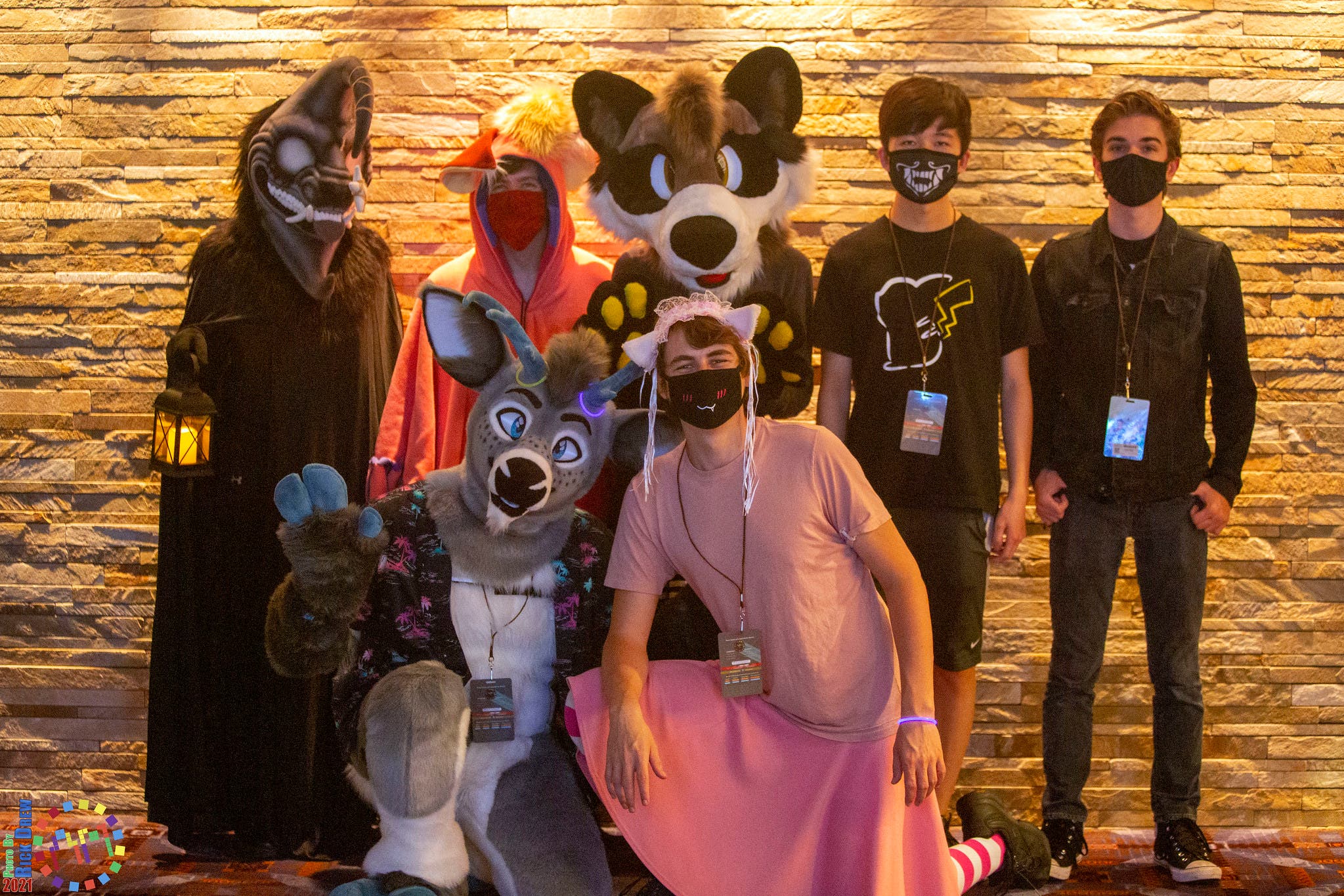
CAD distinguishes itself by offering a unique blend of epic special events and hosting fantastic special guests. The convention prides itself on creating an environment where attendees can truly immerse themselves in the anime community. From late-night dances to engaging panels with renowned voice actors, CAD is designed to provide more opportunities for fans to interact with special guests and make lasting connections compared to other conventions.
Top Events and Activities
CAD has curated a diverse array of events throughout the weekend, ensuring that attendees have ample opportunities to socialize, discuss their favorite shows, and, most importantly, have a blast. Some of the highlights include:
- Cosplay Contests: Showcase your creativity and craftsmanship in our cosplay contests, where enthusiasts bring their favorite characters to life.
- Gaming Tournaments: Engage in friendly competition in various gaming tournaments, putting your skills to the test against fellow fans.
- Fan-Run Panels: Participate in panels led by fellow fans, offering insights, discussions, and an opportunity to delve deeper into your favorite anime and manga.
- ConSweet: Indulge in unlimited free ramen and Mountain Dew in our ConSweet, providing a space to refuel and recharge for more excitement.
- Screenings: Enjoy screenings featuring current and classic anime. You might even get lucky and get a sneak peek of upcoming ones.
- Autograph Sessions: Get up close and personal with special guests through autograph sessions, creating cherished memories and unique souvenirs.
- Escape Rooms: Immerse yourself in thrilling escape room experiences, including "Detention - Escape from the Cursed High School" and "Cabin of the Cackling Man."
How to Join the Fun
Attending CAD is a breeze – simply register for the convention to secure your spot. Early birds get to enjoy discounted advance registration prices, so don't miss out on the chance to snag a full three-day pass for just $40.00. The Hyatt Regency O'Hare awaits to host an anime-filled weekend where you can connect with fellow fans, make new friends, and celebrate the diverse world of Japanese pop culture.
Don't wait – register now for Con+Alt+Delete 2023 and be part of an unforgettable anime extravaganza! Buy your tickets today, and get ready for a weekend of fun, fandom, and friendship at CAD 2023. See you there!