Traffic & Transit
No Metra Fare Increases In Proposed 2019 Budget
After 4 straight years of price hikes, Metra needs "much more than could come from fares" and warned of downsizing and deterioration.


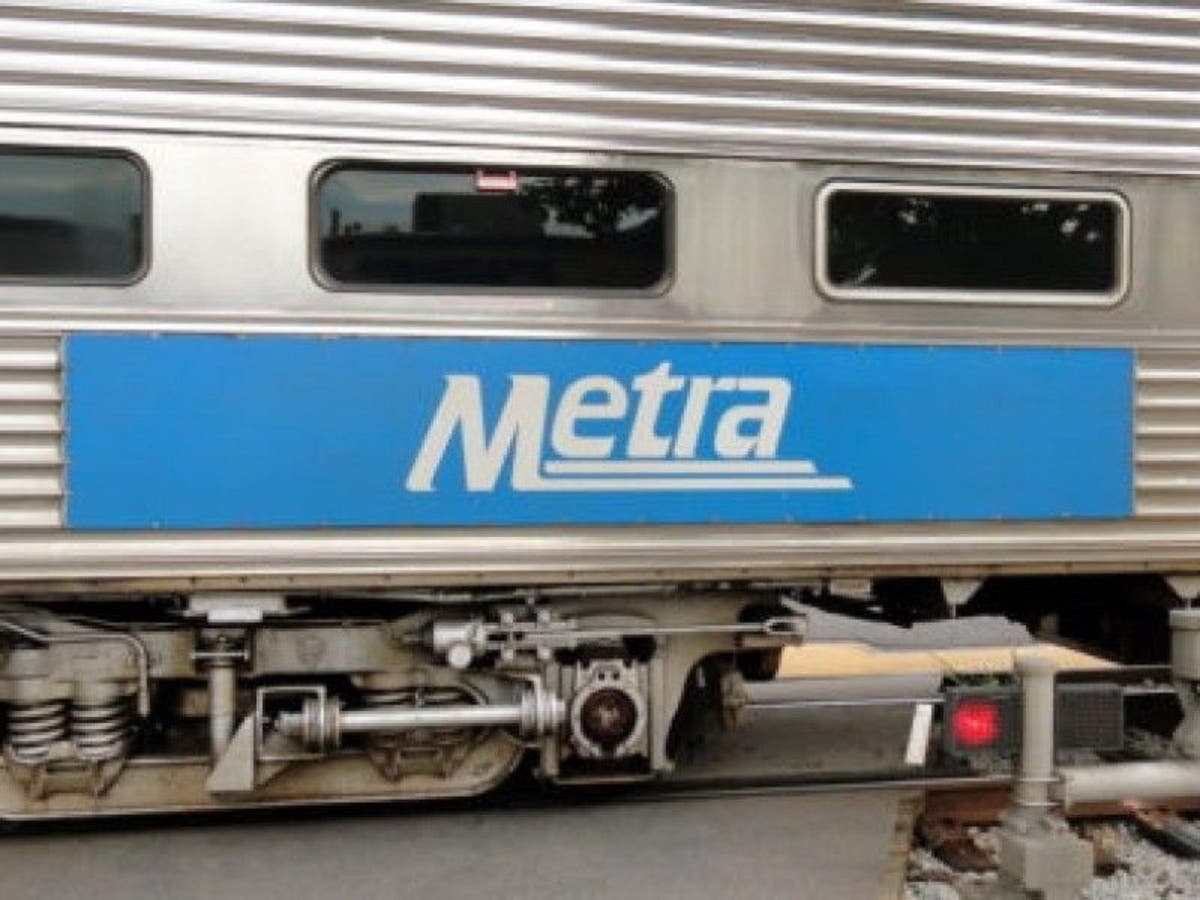
CHICAGO — For the first time in five years, Metra fares will not rise next year. Rail officials released a proposed 2019 budget with operating costs rising about 3.1 percent, but capital funding far below what the rail service needs, according to a release. Administrators warned of possible downsizing and deterioration to the system's infrastructure unless chronic shortfalls in capital funding are addressed.
Jim Derwinsky, Metra's CEO and executive director, said the commuter rail would spend the coming months highlighting needs and working on ways to solve the problem with business leaders and politicians.
“While this budget contains good news for our customers, that good news comes with a warning," Derwinsky said. "Metra cannot continue to operate the system as it now exists – and we cannot grow it - unless we receive the funding we need."
Find out what's happening in Chicagofor free with the latest updates from Patch.
Members of Metra's board of directors agreed that a fare increase to fund capital needs would only provide a fraction of the revenue needed and "burden customers after four fare increases in a row," according to the release.
Operating costs are projected to rise by $36 million, driven by increases in the costs of labor, benefits, fuel, rent and materials, as well as spending associated with maintenance and inspection requirements. But $11 million of that increase will be covered by an increase in Regional Transportation Authority funding, $13 million of fare revenue will be moved from the capital budget to operations and about $12 million of the increase will be offset through efficiencies and budget cuts.
Find out what's happening in Chicagofor free with the latest updates from Patch.
Metra said it needs significant additional capital funding, "much more than could come from fares," according to the release. It listed some of the reasons the commuter rail service's infrastructure needs investment:
- About 40 percent of Metra's assets are classified in either warn of marginal conditions
- About 50 percent of its bridges are over 100 years old. (Metra currently replaces three bridges a year, so at that pace it would take 150 years to replace the systems's oldest bridges.)
- The average age of its diesel cars is 30 years — the oldest in the nation.
- The average age of its locomotives is 31 years, also the oldest the country, with some as old as 41 years.
- There are some cars in daily service that are more than 65 years old.
Next year's capital budget consists of $173.6 million in federal dollars, $7 million from fares set aside for capital expenditure and $5 million in RTA funding. Half of that will go to fixing or replacing cars, engines rail yards and positive train control, while the other half will go to routine maintenance. Metra said Springfield is most likely source of the additional spending it needs, noting that state lawmakers acknowledged commuter rail service in the Chicago area cannot survive without taxpayer subsidies when they created the RTA and Metra more than 30 years ago.
Thursday, Nov. 1 from 4 to 7 p.m.
North Suburban Cook County
Arlington Heights Village Hall
Village Board Room
33 S. Arlington Heights Road
McHenry County
Crystal Lake City Hall
City Council Chambers
100 W. Woodstock St.
DuPage County
Clarendon Hills Village Hall
Village Board Room
1 N. Prospect Ave.
Will County
Will County Office Building
County Board Room – 2nd Floor
302 N. Chicago St., Joliet
Monday, Nov. 5 from 4 to 7 p.m.
Lake County
Mundelein Village Hall
Village Board Room
300 Plaza Circle
South Suburban Cook County
East Hazel Crest Village Hall
Village Board Room
1904 W. 174th St.
Kane County
Kane County Government Center
Building A – 1st Floor Auditorium
719 S. Batavia Ave., Geneva
Chicago
Metra headquarters
Board Room, 13th floor
547 W. Jackson Blvd., Chicago
Any public comments about the budget proposal can be submitted via email, faxed to 312-322-7094 or mailed to the Assistant Secretary to the Metra Board, Room 1300, 547 W. Jackson Blvd., Chicago, IL, 60661. Comments must within 24 hours of the final public hearing on Nov. 5, and will be presented to the Metra Board of Directors before a final vote in November.
Get more local news delivered straight to your inbox. Sign up for free Patch newsletters and alerts.