Crime & Safety
John Wayne Gacy 'Victim No. 5' Identified As North Carolina Man
The news that Francis Wayne Alexander was a victim of serial killer John Wayne Gacy was news to his family.


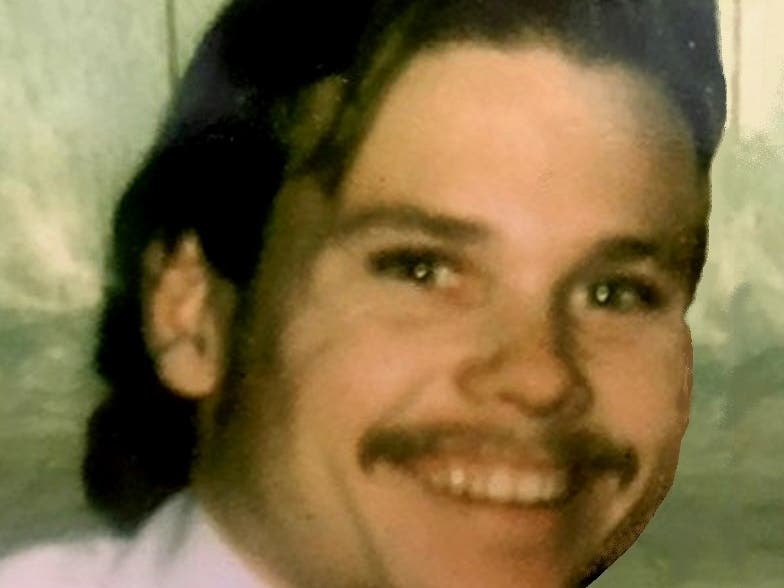
CHICAGO — Another “John Doe” found 43 years ago in the crawl space of serial killer John Wayne Gacy’s home has been identified using a new tool called genetic genealogy.
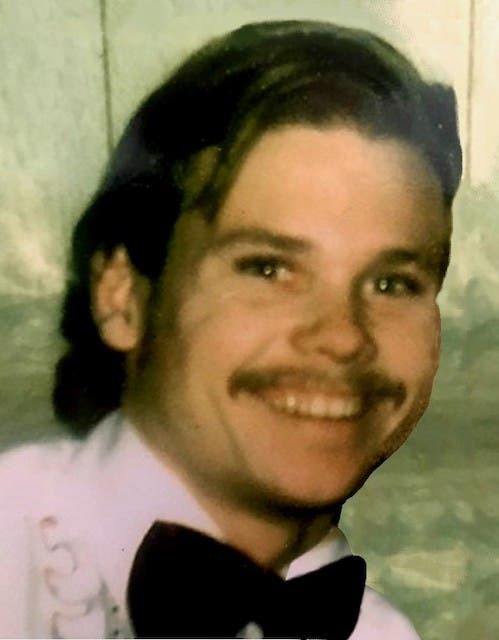
Francis Wayne Alexander, also known as “John Doe No. 5,” was discovered Dec. 26, 1978 in Gacy’s tract home in unincorporated Norwood Township. Alexander was 21 or 22 years when investigators think he was murdered by Gacy.
The notorious Northwest Side man was convicted of raping and murdering 33 young men and boys between 1972 and 1978. Gacy was executed for his crimes in 1994.
Find out what's happening in Chicagofor free with the latest updates from Patch.
Cook County Sheriff Tom Dart said during a Monday news conference that Alexander’s family was notified Oct. 22 that their son’s remains had been identified as a victim of John Wayne Gacy. Alexander is survived by his mother, two half-sisters and two half-brothers. The family issued the following statement by Carolyn Sanders, Wayne’s sister.
It is hard, even 45 years later, to know the fate of our beloved Wayne. He was killed at the hands of a vile and evil man. Our hearts are heavy, and our sympathies go out to the other victims’ families. Our only comfort is knowing this killer no longer breathes the same air as we do.
We can now lay to rest what happened and move forward by honoring Wayne. We ask that you respect our wishes of privacy as we process this tragedy. Thank you,
A mother who now has closure
Sisters who now have closure
Brothers who now have closure
The Cook County Sheriff’s Department partnered with DNA Doe Project, a non-profit organization dedicated to using genetic information to locate relatives of unidentified deceased persons. Anyone who has tested at a commercial DNA testing company, such as 23AndMe or Ancestry.com, can upload their results to the free GEDmatch database.
Find out what's happening in Chicagofor free with the latest updates from Patch.
“That was an area we had not been able to access before,” Dart said at a Monday afternoon news conference. “The reason we're doing this, the because the technology keeps advancing.”
Margaret Press, co-founder of the DNA Doe Project, discussed with Cook County sheriff’s detective Lt. Jason Moran the possibility of using genetic genealogy to identify the five remaining unidentified Gacy victims. Using DNA extracted from Alexander’s molar and jaw bone, DNA Doe Project volunteers compared the victim’s profile to others on a genealogy website and found potential relatives.
It took volunteers about eight hours to come up with a family tree. The information was turned over to the Cook County Sheriff’s Office. DNA samples from Alexander’s mother and a half-brother. Their DNA samples and that of the victim’s had a strong genetic association.
Alexander moved from North Carolina to Chicago in February 1975 with his wife. The marriage lasted only a few months, and the couple divorced. Unlike other Gacy victims, who worked as laborers or were runaways, Alexander worked as a bartender in various clubs and bars in Chicago.
Investigators combed through traffic tickets, tax records, postmortem records and other public information to confirm that Victim #5 and Alexander were the same person. The last record for Alexander was a traffic ticket from Jan. 5, 1976, and financial records revealed he earned little income in 1976. Alexander lived a few blocks away from another formerly unidentified Gacy victim, William Bundy, who was identified by DNA in 2017. It was also an area where Gacy hunted for victims.
Alexander was found buried beneath another victim in Gacy’s crawl space. Detectives established a narrow timeline of Alexander’s time of death, which they believe occurred between early 1976 and early 1977.
Dart said Alexander’s loved ones had no idea that he had fallen prey to the “evil” man John Wayne Gacy because he was never reported missing by his family when Cook County investigators reopened the case. Alexander’s family said he made decisions in his life, and they thought he wanted nothing more to do with them.
“I am ecstatic we were able to bring some closure. It’s heartbreaking talking to this family,” Dart said. “This is the first time we’ve actually had a parent still alive from one of the cases. It was very difficult talking to her. She’s a very sweet, sweet lady.”
Genetic genealogy research will be used by the Cook County Sheriff’s office to identify other missing persons, including missing women in another operation.
“Every single one of the three families we talked to in the other [Gacy] cases has thanked us,” Dart said. “They’ve desired all their lives for closure.”
Gacy killed 33 teenage boys and young men in Chicago from 1972 to 1978. He was executed for his crimes in 1994. Sheriff’s Police led the original death investigations of the victims found in Gacy’s unincorporated Norwood Park home in 1978.
In 2011 Sheriff Dart re-opened the investigation to identify the eight remaining unnamed victims.
“These unidentified young men brutally murdered by this vicious serial killer deserve dignity, and that includes knowing their names,” Sheriff Dart said. “As science evolves, it is important for us to continually apply these new tools to both new and old cases to help victims and their families.”
Three victims have been identified since 2011: Francis Wayne Alexander, James Haakenson, and William Bundy. In the same process, the sheriff’s office also solved four cold case deaths, unrelated to Gacy, located five missing persons alive, and two missing persons who had died without their families’ knowledge.
The investigation into the remaining five unidentified Gacy victims is ongoing. Investigators will utilize the latest technologies in that process, including genetic genealogy, where practical.
Get more local news delivered straight to your inbox. Sign up for free Patch newsletters and alerts.