Politics & Government
Debit Card Usage Might Soon Cost You More Change
Debit card transactions could include fees in the not-so-distant future.

Wells Fargo recently announced its test run of a $3 monthly fee this fall in Georgia, New Mexico, Nevada and Oregon for debit card point-of-sale transactions. JPMorgan Chase is in the midst of a trial affecting northern Wisconsin customers.
And both of these large banks, in addition to others including Citi and SunTrust, have canceled their debit card rewards programs.
Consumers who already feel like dry sponges getting wrung for a drop of moisture are wondering why.
Find out what's happening in Darienfor free with the latest updates from Patch.
Lottie Schahczinski, assistant manager of the bookstore in Darien stated that as a consumer, her payment method would change if she were charged a fee to use her debit card.
“I think it would definitely persuade me to use more cash,” said Schahczinski, acknowledging that her spending could be limited to the amount of cash she had on hand.
Find out what's happening in Darienfor free with the latest updates from Patch.
Muse shoppers Leanne Stoughton and Carl Rea said they agreed.
“If I can pay with something other than a debit card to avoid a fee, I would,” Stoughton said.
Many remember the good old days BDC (Before Debit Cards) where, when paying for a retail purchase, the options were cash, check or credit card.
Then banks pushed a new and convenient alternative payment method and “free” debit cards were issued for their checking account clients.
Rewards programs similar to those of credit cards encouraged their use, which in 2009 “accounted for 34.8 percent of non-cash payments” according to the 2010 Federal Reserve Payments Study — five percent more than checks.
Banks earned from retailers a percentage for each debit card transaction called an interchange fee.
Consumer Reports explained that banks rewarded debit card transactions with the stipulation that they be entered as credit and authorized with a signature — not a PIN (personal identification number). Banks collected a higher percentage from merchants from the first method (1.3 percent of the average transaction) than the latter (0.58 percent).
Consumers benefitted by earning enticing rewards and those unable to obtain credit cards had an alternative to cash.
The upside of debit cards for retailers was that consumers had a tendency to spend more than when paying with cash, and the transaction amount was quickly deposited into retail bank accounts.
Merchants could also suggest to their customers a PIN transaction to avoid higher interchange fees.
Enter the recent Durbin Amendment as part of the Dodd-Frank Wall Street Reform and Consumer Protection Act. A decrease in the interchange fees retailers paid to banks was approved and will reduce the banks' portion of the more than $20 billion in fee revenue, according to an article in the New York Times.
Retailers will realize a savings commensurate with the number and amount of debit card transactions.
Before the final ruling, banks lobbied to raise the proposed cap claiming the revenue covered their fraud protection costs. On the polar end, retailers’ lobby efforts aimed to preserve the suggested cap that might have cut interchange fees by as much as 80 percent.
The Federal Reserve’s final rule approved an average 50 percent decrease paid by merchants. Smaller banks and credit unions with assets below $10 billion will not be affected.
This is good news for merchants like Schahczinski, but it still remains to be seen, she said. After all, she pointed out, as an individual and business she’s a consumer of bank services too.
The response from large banks has been goodbye, debit rewards and hello, potential debit card fees. And “free” checking now carries more stipulations than ever to avoid monthly fees.
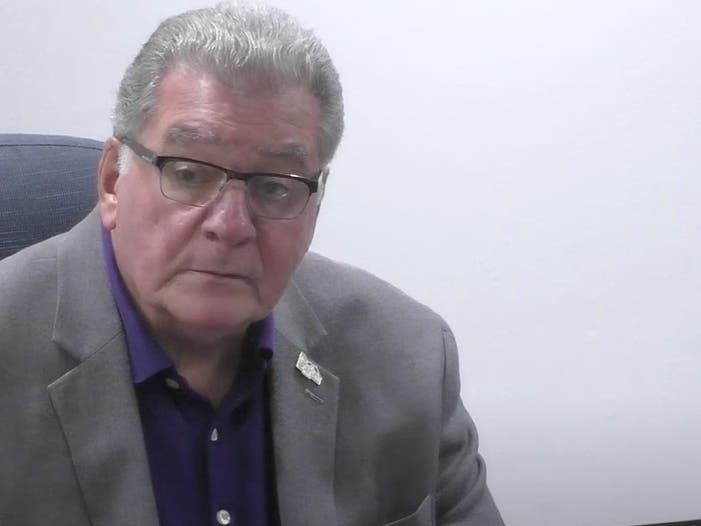
Bill Jochum, vice president and regional sales manager for Citizen’s Financial Bank in Darien, speculated about the reason big banks are exploring new means of revenue. He said he doesn’t believe the funds from interchange fees were wholly used for fraud protection as larger banks claimed.
“It’s a choice every bank has to make. We are all obviously trying to make money,” Jochum said. “But you should choose a business model that’s as fair as possible to consumers.”
He alluded to what he feels turns off many consumers regarding the banking industry stating that people feel like they’re under-valued account holders rather than important clients.
Carl Rea summed up his feelings about the possibility of bank fees for using a debit card.
“I’m tired of getting billed for everything,” Rea said. “I’m tired of getting nickeled and dimed.”