Politics & Government
District 86 Receives $13 Million Estimate for Air Conditioning Project
School board plans to explore funding options for project that would also include electrical infrastructure upgrades at both Hinsdale Central and Hinsdale South.
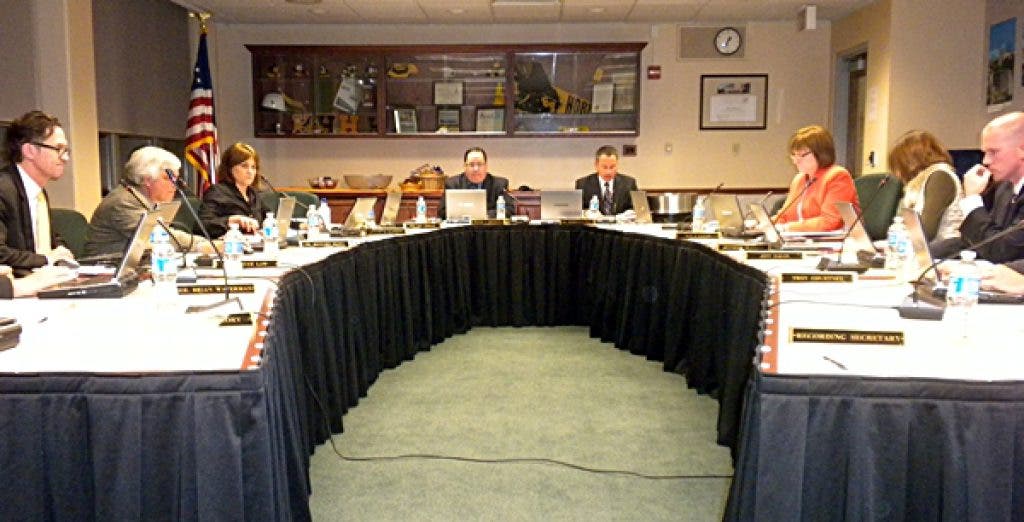
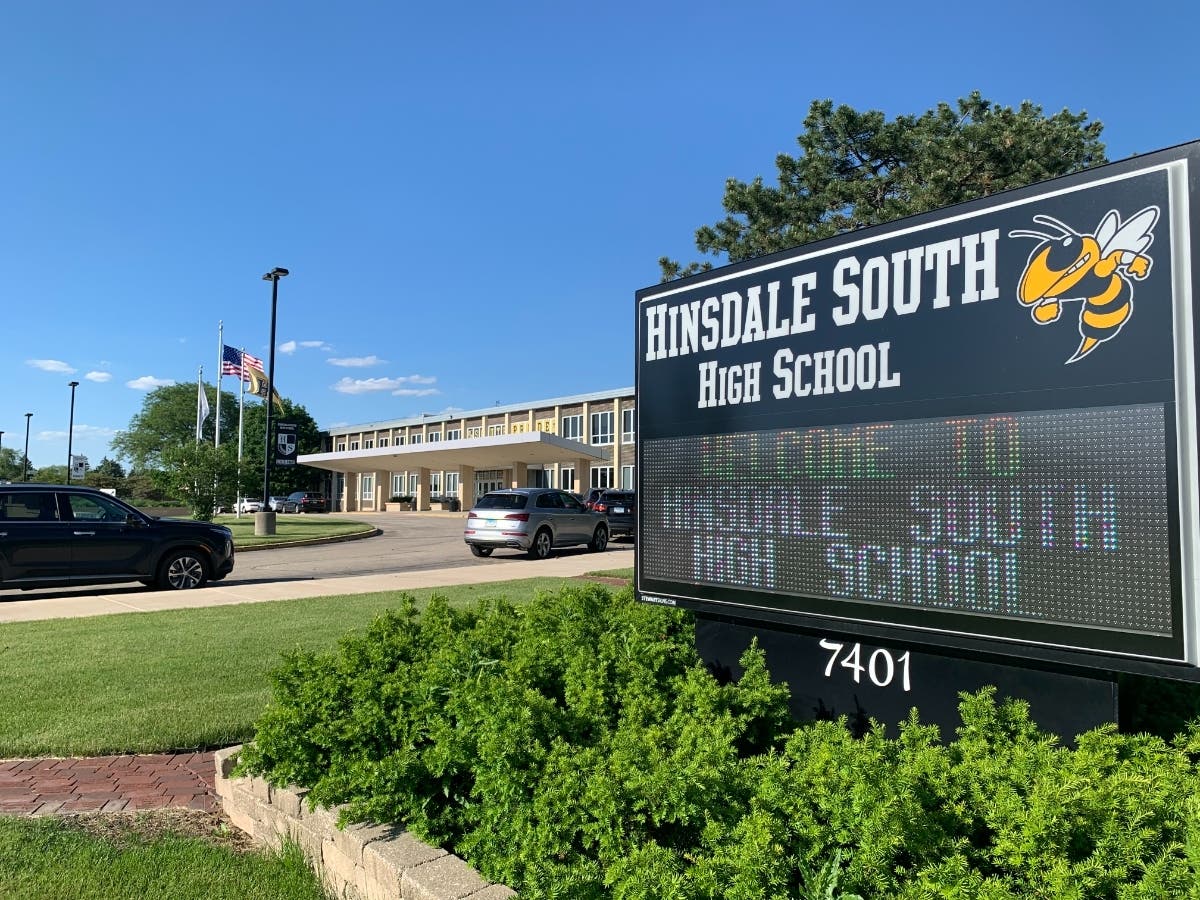
The Board of Education Monday night continued the process of exploring options for air conditioning all classrooms at both its campuses. Board members were told the project would cost $13.2 million, which would include upgrades to the electrical infrastructure at and .
Superintendent Dr. Nicholas Wahl said the project was consistent with the district’s Master Facilities Plan.
“This lasers in on what was deemed a high priority item by the Master Facilities Planning Committee,” Wahl said.
Find out what's happening in Darienfor free with the latest updates from Patch.
He said about half the instructional space at both campuses currently is air conditioned. Rick Wise of Gilbane, Inc. told board members that the project would affect about 60 classrooms at each campus.
“So roughly it’s going to cost you $100,000 to air condition each classroom,” board member Dr. Richard Skoda said.
Find out what's happening in Darienfor free with the latest updates from Patch.
“That’s really not accurate,” Wahl said, explaining that the project also included new chillers and would replace “inefficient and outdated” unit ventilators at both schools.
“You really can’t do just that basic math,” he said.
There was some discussion and confusion about whether the plan included a new chiller for Hinsdale South and whether one was needed.
“Based on rough square-footage analysis, South is teetering right on the edge of whether or not it would need a new chiller,” architect Rick Young of the firm Perkins + Will said. “Without a more detailed analysis of the exact draw on the existing chiller and the new spaces, we can’t say one way or another, so we errored on the side of caution.”
Finding a funding solution
Wahl said school administration had met with a representative of a banking company to discuss the possibility of issuing bonds for the project. He said the district does have available capacity to issue bonds, which could be structured so as not to create additional burden on taxpayers.
Skoda asked Business Manager Jeff Eagan about the district’s current level of bonded indebtedness, which is anticipated to be around $9 million by the end of the fiscal year.
“What I have trouble with is how you throw 13 [million] on top of the nine and you’re not going to have any increase in bonded indebtedness.”
“That’s not what I said,” Wahl replied. “There’s a variety of ways you could structure this.”
“I also think the board should consider a referendum,” board member Dianne Barrett suggested. “Then we wouldn’t have to pay any interest.”
“Aren’t you paying additional taxes that way?” Board President Dennis Brennan asked.
“I think the bond people need to come in here and explain in detail all the different options, so we all understand it correctly,” board member Kay Gallo suggested.
Remaining infrastructure needs
The Master Facility Plan identified about $39 million in infrastructure needs at the two schools, including plumbing upgrades, and Gallo wondered about the wisdom of not completing the rest of the needed work at the same time as the air-conditioning project.
“Are we cutting our nose off to spite our face?” Gallo asked.
“Generally speaking, no,” Wise said. “We’re in a different area doing a different thing. We’re not going to be around the toilet rooms where we’re tearing walls down.”
Skoda appeared to suggest that perhaps the plumbing and other infrastructure needs might be more important than air conditioning. He said it was a question of “unlimited wants” versus “limited resources.”
“So out of this $100 million-plus Master Facility Plan, what is really crucial to do?” he asked.
“In my opinion, they’re both crucial,” Gallo said. “I don’t think we have unlimited wants.”
“Well I know this,” Skoda said. “We have limited resources.”
Window air conditioners ruled out
Wahl noted that Hinsdale Central parents Jeff Holland and Yvonne Mayer generously had offered to donate four window unit air conditioners to the school with the goal of air conditioning two classrooms at a cost of roughly $425 per unit.
Barrett asked about the feasibility of using window air-conditioning units.
“The types of units you’re talking about aren’t really intended for commercial-type spaces,” Young responded. “They’re generally intended for residential spaces. The square footage they can serve is very limited. They also don’t supply any outdoor air exchange, which is a [legal] requirement for classroom spaces, so therefore you have to get your outdoor air from someplace else.”
He said the majority of windows at the schools also were of the horizontal hinge design, making the use of window units impractical.
“You would have to build an apparatus in order to even fit that unit into that window,” Young said.
It was the consensus of the board members present (DeeDee Gorgol was ill and Michael Kuhn was absent) to invite a banking company representative to come to a future meeting to explain funding options and answer questions.