Health & Fitness
Sterigenics: Ripple Effects Will Continue
The plants are closed, but there's still much to be done


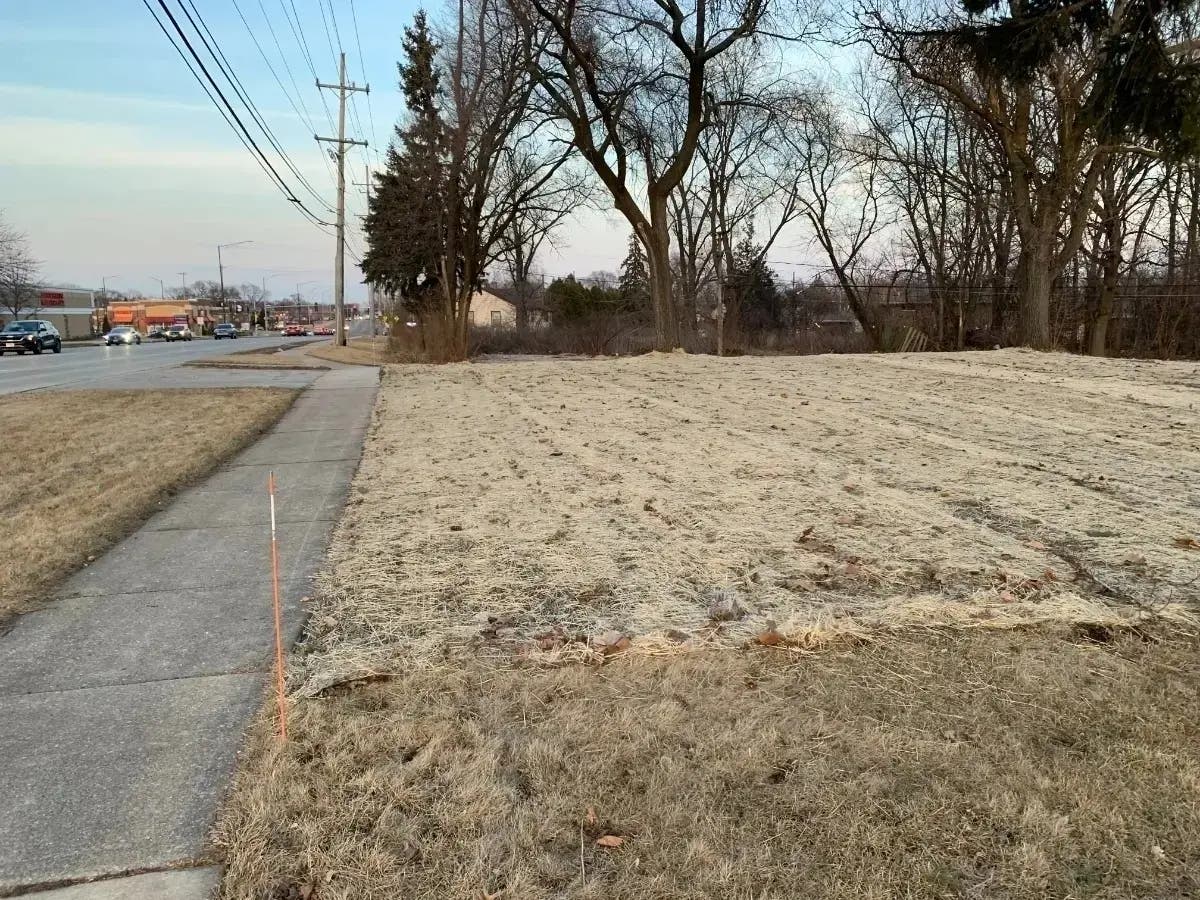
As most of us who have lived and worked in the Willowbrook area know, the Sterigenics medical-instruments sterilization plants located there released ethylene oxide (EtO) into the atmosphere over the last 35+ years (1984-2019). EtO, as we have also learned, is a well-known carcinogen and causes increases in various cancers for those who breathe it in or absorb it through their skin. Thanks largely to the grassroots organization, Stop Sterigenics, the Willowbrook plant has now been permanently closed down, and we can all breathe a literal sigh of relief. But what about that figurative one…?
Given my melodramatic flourishes, clearly I don’t believe this is anywhere near over yet. Most obviously, there are many companies and plants throughout the country still using EtO and releasing this carcinogen into the air of densely populated areas—Waukegan and Gurnee to name two in Illinois, for example. And true to its charter, you will find Stop Sterigenics people helping in those battles, to say nothing of the work various individuals are doing at a national level to eliminate this health threat. But there are other unintended consequences of this pollution which have yet to be adequately addressed, even in the Willowbrook area. One which hits very close to home for me is the notification of those who were exposed to Sterigenics’s poison, especially to individuals who came into contact with EtO only because of their work.
I won’t belabor this point since I’ve already covered it several times in other essays in relation to my past employer (Hinsdale Township High School District 86 for which I worked at Hinsdale South—three-quarters of a mile from the Sterigenics plants—for 25 years), but there has been very little in the news about any efforts to inform everyone impacted about the potential health consequences from EtO exposure over the course of years. You can hear about those consequences quite clearly in a CBS This Morning piece, which features five of my old colleagues who bravely explain what ethylene oxide has done to them while advocating for more thorough notification of everyone, to say nothing of trying to get EtO out of populated areas. There really needs to be a comprehensive solution to notifying everyone rather than individuals trying to lobby their past employers to let other past employees know about the risks. We also need to come together to fight this pollution, rather than harping at victims: There have been those who have reacted to the efforts I and my ex-colleagues have taken to complain that we’re not emphasizing notification of ex-students enough. Of course everyone who has been exposed needs to understand what has happened; I focused on those I thought were least likely to be aware of the dangers due to their having left the area in retirement, often far away from Willowbrook, who had a smaller chance to learn of what was happening in Willowbrook, much less realizing that Hinsdale South was a hot spot for cancer developing. Then too, individual organizations and businesses have to step up until a broader notification process has been worked out. I’ve already advocated that Hinsdale 86 (my old district) do much more for past employees, but I’ve come to believe that the district isn’t doing all that much to help current employees—most of whom have also been exposed to years of EtO—cope with what has happened to them, or even provided them with adequate information to understand health risks and legal rights. The Hinsdale High School Teachers Association (HHSTA), for which I served as president, chief spokesperson, and grievance chair for many years, wouldn’t even allow me to attend one of their meetings to spread the word, telling me it wouldn’t be “appropriate” for me to attend one of their “sanctioned” meetings to discuss Sterigenics.
Find out what's happening in Darienfor free with the latest updates from Patch.
So, we have a long way to go on notification of those who lived and worked in the Willowbrook area (generally speaking, a radius of six miles from the now-closed plants, according to the latest information) from 1984-2019 who need to know about things like EtO-caused cancers, medical monitoring, legal rights, and support groups. And when you multiply the Willowbrook area by over 100 other areas where EtO is still being used, you get a sense of how immense this task will be. This job will take years and significant effort from many, but it needs to be done. After eliminating EtO from all populated areas, the next key issue is to inform those located close to these cancer hot spots what happened and what they can do about it.
Another area which needs to be considered is the cost of health insurance. As a teacher contract negotiator for most of my 33-year education career, I understand better than most how important health insurance is to everyone. And as health care costs have sky-rocketed over the years, more and more of that expense has been shifted to employees in the form of a larger percentage of premium costs. In District 86, to use an example with which I have experience, we negotiated a fixed dollar amount each year that teachers would contribute to insurance costs based on the district’s experience in previous years. For subsequent years, we agreed that the district would absorb the first 10% of health insurance increases from year to year, but any additional increases would be shared equally by the district and teachers. Thus, if the expenses went up 16% over the previous year, teachers would shoulder another 2% of the total costs that year (16% increase minus the board’s agreed upon 10% divided by 2 would come to 2%). Whatever that 2% increase translated to would be deducted from our checks each month. (The current teacher contract in District 86 is significantly more expensive for employees than what we negotiated fifteen years ago—the district and employees split the first 8% of increase from year to year, and the teachers shoulder 100% of any increase over 8%. The language on this appears on page 56 of the contract.)
Find out what's happening in Darienfor free with the latest updates from Patch.
But those increases were affected by the reality that we were working in sick buildings from 1984 on. In other words, our individual health issues were skewed negatively due to the fact that we were all breathing in ethylene oxide every day at work, which led to the increase in the cancers we’ve previously referenced. And that caused an increase in insurance premiums for all teachers. In other words, those whose health was being hurt by the gas were also paying more for the “privilege” of working in a toxic environment. It would make for a great lesson in irony if it weren’t so tragic.
This is a really tough one to rectify. Do we go back and try to get the district to pay back whatever percentage of increase was due to Sterigenics? Should the district sue Sterigenics to recover excess insurance costs? How would you calculate what that number would be? I guess all the health records available could be examined to determine which charges were most likely to have been EtO-related, but you can easily see how challenging it would be to come to any sort of consensus on what that figure would be, to say nothing of trying to find the people who merited compensation (see the previous notification challenge for more on that), which doesn’t even begin to deal with the huge battle-ground of who would be supplying the cash for these reimbursements. Rather than go through all that, I would suggest that current residents and employees in the affected area should receive a reduction or freeze in whatever their insurance contributions and deductibles are for some period of time in the future. In District 86, for example, the teachers’ union could negotiate more favorable numbers for the duration of their next contract (say, four years). No, that wouldn’t compensate retirees, but at least it would be a sort of acknowledgement that employees and residents had been supplementing the costs of being subjected to toxic gas. It’s hardly a fair solution, but a reasonable one given the scope and complexity of the problem.
The last ripple of Sterigenics’s legacy, at least for now, has to do with property values. From what science tells us about EtO, it dissipates and vanishes within 69-140 days once it is released into the atmosphere. Since Sterigenics has not been operating in Willowbrook for some time now and has lost its lease to reopen, there is really little to fear anymore, at least when it comes to living anywhere in the area where the plants used to be and EtO exposure. But the reality about reputations is that they can be established instantly yet take an inordinate amount of time to change. The Willowbrook plants have not been releasing any EtO since they closed in February 2019, almost a year now, which experts tell us means that nobody is currently inhaling any of the gas which Sterigenics released over the years in or around Willowbrook. But, I would bet that real estate prices in Willowbrook remain depressed compared to surrounding areas, and that it will take years for them to recover.
This is a hard fact to pin down. Those seeking to relocate to this area probably won’t publicly state they’re trying to avoid neighborhoods close to where the Sterigenics plants were located, but given the publicity the story has gotten, it is possible many will have a general dread of Willowbrook without the more nuanced awareness that any residue from the EtO gas has long since been eliminated, given the February 15 closure—which in late January 2020 is roughly double the longest estimate of how long EtO exists in the environment once it is released. Long, complicated sentences aside, it’s going to take some time for the Willowbrook real estate market to recover from this black mark on its environmental quality. I don’t know what else can be done about this except to keep pumping the facts into the system, to make sure everybody is regularly reminded that although this dangerous carcinogen was emitted daily for decades, it no longer poses a threat to anyone new to the area. That we still don’t know how many more cancer victims will be found from those exposed over the years is still another reason to keep public awareness of the issue at the forefront. Yes, I recognize the seeming paradox of constantly reminding everybody of the harm EtO can cause while at the same time helping everyone new to the area to understand that EtO is no longer a threat to them. Nobody said this was going to be a simple or easy path.
And that awareness is necessary for the overriding concern of which Sterigenics should remain a clear example: Experimenting on the public through the release of any substance when we don’t fully understand health risks cannot be allowed to continue. From fentanyl, opioids, and thalidomide to ethylene oxide, alar, and DDT; humans have to recognize that there is a down side to everything. Just because our creativity and intelligence allow us to achieve miraculous feats every day doesn’t mean we don’t have to be on highest alert to safe-guard ourselves against harmful side effects leading to an overall negative effect. No matter how cost-effective the sterilization of medical instruments has been thanks to EtO, that does not justify the immense harm we now know it has caused. Other means of processing medical instruments exist, and we should have been more careful about using what was already a known danger in such heavily populated areas. That’s especially important to keep in mind when we see a letter from the EPA written to Sterigenics in 1984, months before the Willowbrook plants opened, suggesting it wouldn’t be in the best interests of the residents for Sterigenics to be releasing EtO. We need to reaffirm our commitment as moral human beings that we will not knowingly risk the health of others to increase the profits of corporations.
Unfortunately, we can’t let go of the Sterigenics problem anytime soon, despite everyone’s desire to move on and focus on more interesting topics like what Bernie and Elizabeth are fighting about or just why Meghan and Harry are fleeing to Canada. At least there are positive ways to keep Sterigenics in the news: Recognizing the heroes at Stop Sterigenics with as many awards and as much praise as possible is the best way I know to help mitigate the harm EtO release has done to our community. As 2019 plaudits are announced through various forums, I would nominate Stop Sterigenics (and specifically, one of its driving forces, my ex-student, Urszula Tanouye who has led the notification battle) as champions, both for what they have done, but more importantly, for their continued efforts. This isn’t over yet, folks.