Business & Tech
Deerfield Snack Maker Is 'Killing Orangutans': Greenpeace
The environmental group said Mondelez continues to contribute to rainforest destruction, despite promises to clean up its palm oil supply.


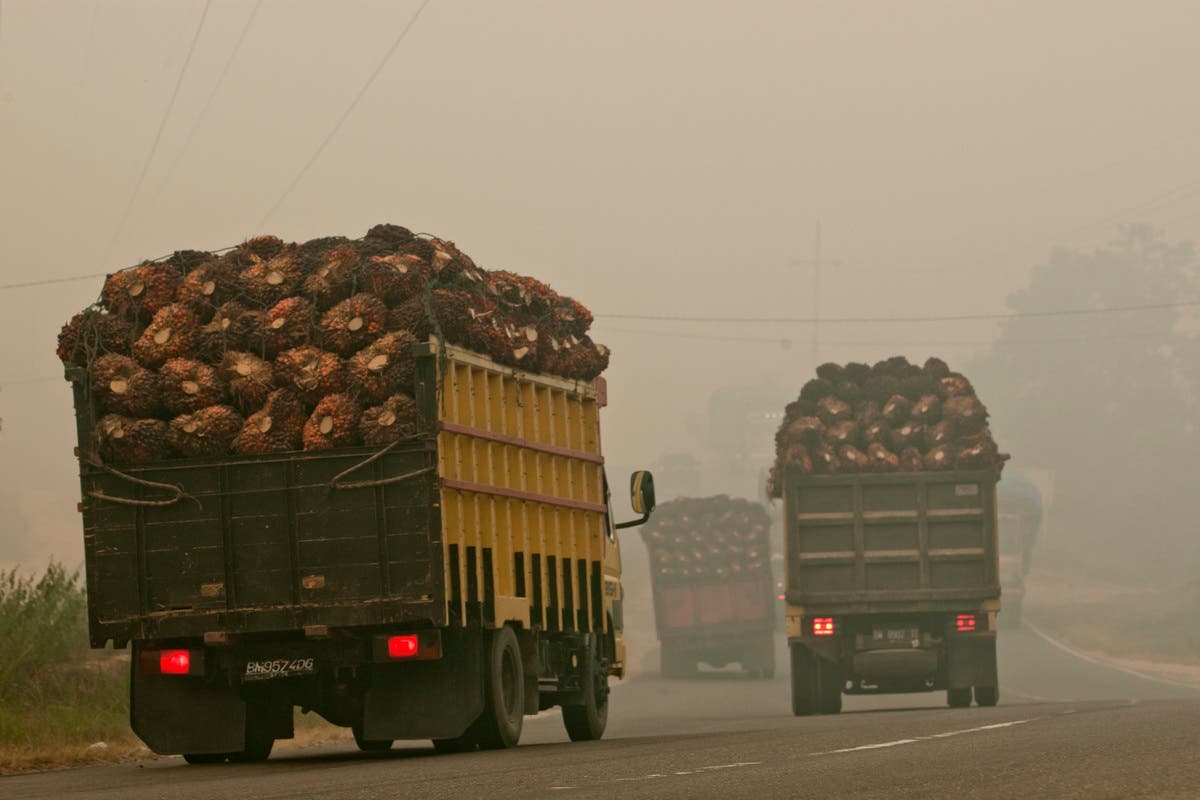
DEERFIELD, IL — Environmental group Greenpeace International has accused Deerfield-based snack maker Mondelez International of failing to ensure its suppliers of palm oil are not destroying rainforests and contributing to the destruction of orangutan habitat. The company said it is working to make sure its supply chain can be fully traced and would sever ties with suppliers who have violated its policy.
Greenpeace said palm oil suppliers for Mondelez and other major brands like Unilever, Nestlé and Colgate-Palmolive have been contributing to climate change, air and water pollution and destruction of habitat for endangered species.
In 2014, the company adopted a "no deforestation, no peat, no exploitation" policy, committing to responsibly sourced palm oil. But according to the environmental group, the company has continued to do business with producers who are still destroying rainforests.
Find out what's happening in Deerfieldfor free with the latest updates from Patch.
Since then, 22 of its palm oil suppliers have cleared an area bigger than the city of Chicago, according to the environmental group in its report "Dying For A Cookie." Greenpeace said Mondelez sources from hundreds of palm oil producers, so the 70,000 hectares of Southeast Asian rainforest they destroyed between 2015 and 2017 is "likely just the tip of the iceberg."
Mondelez told Bloomberg News it would cut off suppliers whose palm oil is not fully traceable.
Find out what's happening in Deerfieldfor free with the latest updates from Patch.
"We’re asking our direct suppliers to call on their upstream suppliers to map and monitor the plantations where oil is grown so we can drive further traceability,” the company said in a statement. "We’re also excluding 12 companies from our supply chain as a result of breaches."
Mondelez, according to Greenpeace, was one of the world's largest purchasers of palm oil and palm oil products in 2017. Its brands include Oreo, Cadbury, Nabisco, Ritz, Chips Ahoy!, Trident and Tang. It spun off from Kraft Foods in 2012 and had 83,000 employees worldwide and nearly $3 billion in profits last fiscal year.
In 2017, Mondelez purchased more than 330,000 tons of palm oil and palm oil products. Greenpeace said much of that supply came from Wilmar International, which sources 80 percent of its palm oil from third-party suppliers. Despite having "paid lip service to reform," the company has continued to source from "forest destroyers," according to the environmental group.
Amnesty International has also accused Singapore-based Wilmar of profiting from child and forced labor following an investigation of palm oil plantations.
Kiki Taufik, the head of the Indonesia forests campaign for Greenpeace Southeast Asia, said the report should be a wake-up call to Mondelez and other major brands to cut off Wilmar until it can demonstrate its supply of palm oil is "clean." If the companies can't find enough clean palm oil, they will need to start using less, he said.
“It’s outrageous that despite promising to clean up its palm oil almost ten years ago, Mondelez is still trading with forest destroyers," Taufik said in a release. "Palm oil can be made without destroying forests, yet our investigation discovered that Mondelez suppliers are still trashing forests and wrecking orangutan habitat, pushing these beautiful and intelligent creatures to the brink of extinction."
On the Indonesian island of Borneo, three quarters of one national park has been converted into illegal palm oil plantations, according to Greenpeace, and half of the island's orangutan population has been wiped out over the past 16 years.
Get more local news delivered straight to your inbox. Sign up for free Patch newsletters and alerts.