Health & Fitness
Save a Life. Take a CPR Class
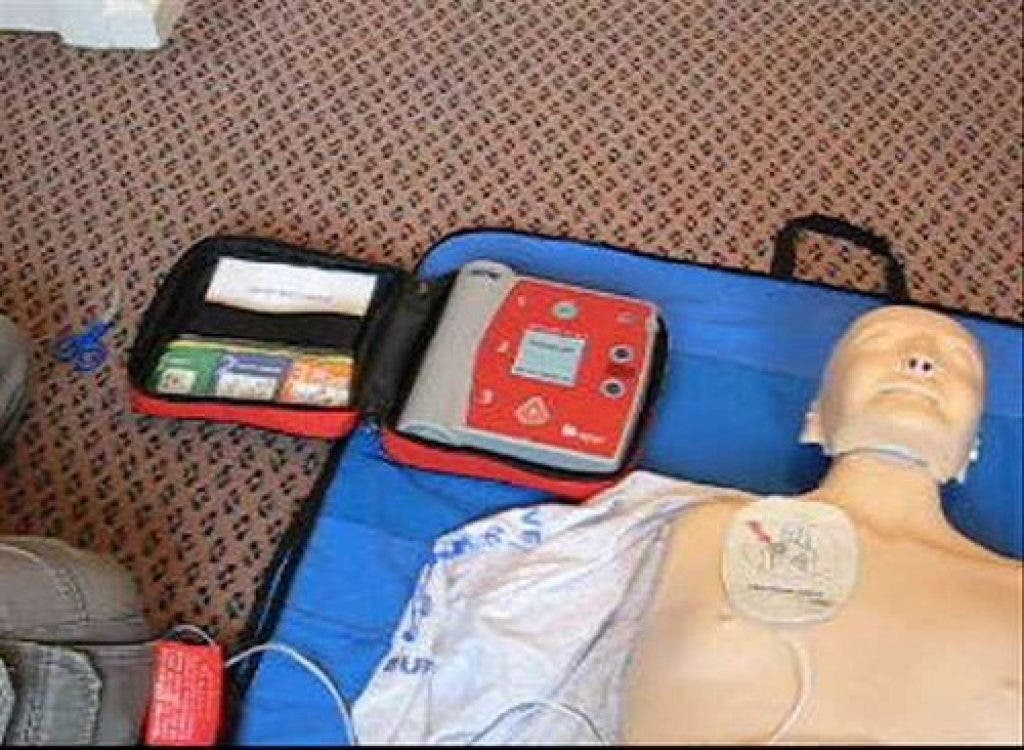
Even for people who seem perfectly healthy, the unimaginable can happen. In an emergency situation having someone trained in CPR can save a life.
Just last week, students at Hawthorne Elementary School participated in Jump Rope for Heart to help support the American Heart Association. This is a wonderful event to not only raise money, but get kids thinking about heart health.
Cardiovascular disease is the leading cause of death in the United States. One in every three deaths is from heart disease and stroke, which is equal to 2,200 deaths per day. According to my colleague Joel Hardin, director of our pediatric cardiology division, though children will rarely, if ever, have overt symptoms of atherosclerosis, the first signs of this disease appear in early childhood and perhaps even before birth. So, heart health is something the whole family should be taking seriously.
The best way to minimize the chances of a heart attack or stroke is prevention. Eating heart-friendly foods, daily aerobic exercise and seeing your doctor for regular check-ups. Still, even in people who seem perfectly healthy, the unimaginable can happen. In an emergency situation, having someone trained in CPR can save a life. Every minute a heart is not pumping blood to the brain the chances of survival are reduced by up to 10 percent. Knowing CPR can make difference in whether a person lives or dies.
Find out what's happening in Elmhurstfor free with the latest updates from Patch.
I was part of Loyola’s biannual CPR marathon held at our main campus in Maywood. Learning CPR is a skill that all health care providers must know, but it's a skill that I recommend everyone learn. As a CPR instructor, I've found that practicing CPR skills gives people confidence to deal with emergency situations. You don't have to be a medical professional to learn it, and it’s a great skill for teens to learn, especially if they are babysitters.
Recently, there have been some changes for bystander CPR. The most notable is a person delivers compressions without giving breaths. Research has shown that breathing delivered by non-medical bystanders was often done incorrectly, and that compressions in an emergency situation are much more effective.
Find out what's happening in Elmhurstfor free with the latest updates from Patch.
The take home message for everyone is to push hard and push fast on the bottom half of the breast bone. Aim for 100 compressions per minute (think about the Bee Gees song "Staying Alive"—this was shown to be the right pace) about one-third to halfway down the chest.
I recommend taking a CPR class from a hospital or fire department to help protect your loved ones and assist those around you. It can make the difference in someone's life.
For more information on heart health, visit the American Heart Association website, www.heart.org.