Politics & Government
'Bully Tactics' Vs. 'Legal Gymnastics' In Dueling Court Filings
A fierce legal dispute over the use of an informant is underway between lawyers for Evanston police and a man they arrested in 2018.


EVANSTON, IL — In response to last month's filing in a federal civil rights case that alleges that Evanston police lied about contact with a confidential informant ahead of an arrest three years ago, attorneys for the city and accused officers argue the filing was "chock full of baseless, frivolous, false allegations" and put forward for improper purposes.
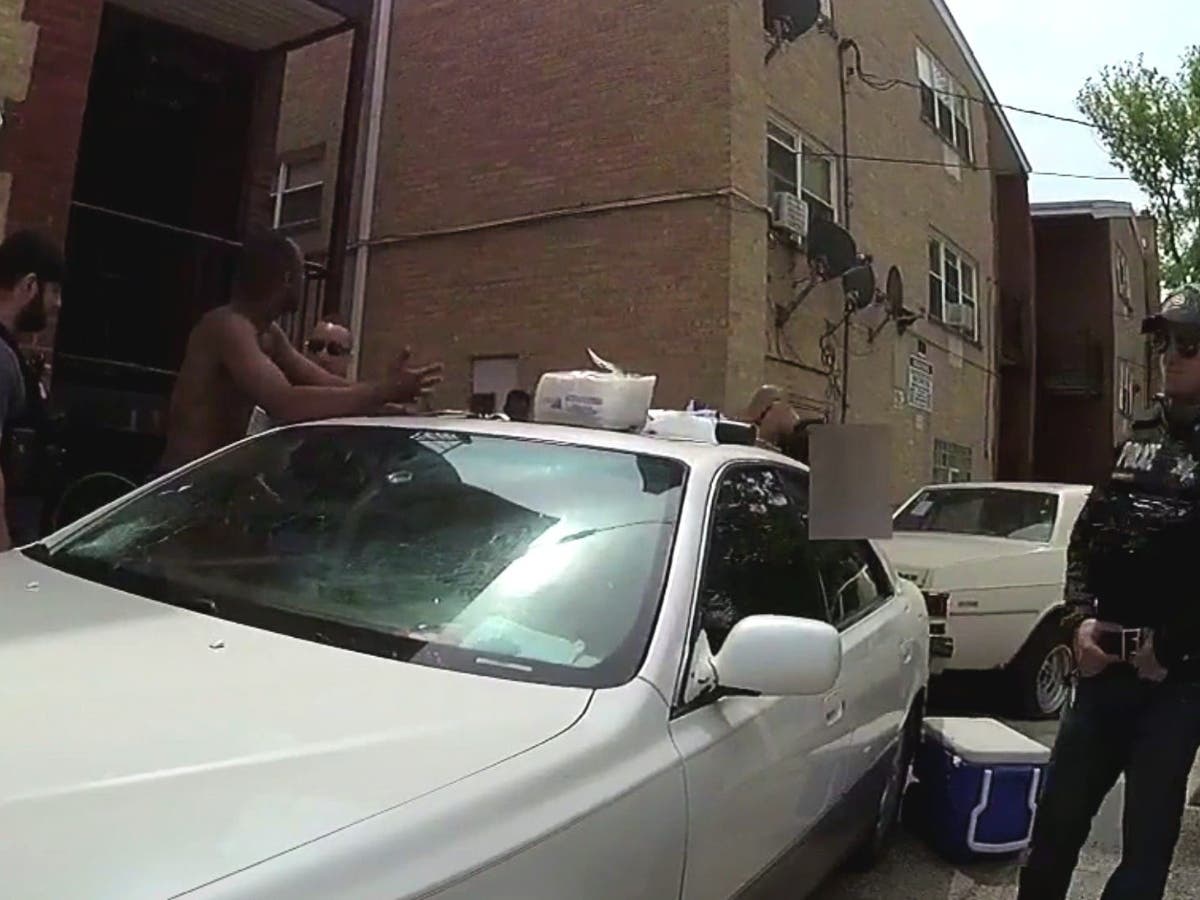
Ronald Louden pleaded guilty to the reduced charge of unlawful use of a weapon and was sentenced to four years in prison following his June 6, 2018, arrest in the 2000 block of Wesley Avenue.
Louden was shocked with a taser and suffered injuries to his face during the encounter, which was captured on body camera footage.
Find out what's happening in Evanstonfor free with the latest updates from Patch.
Six weeks after his arrest, Louden filed the first version of his civil rights complaint against the officers that arrested him from jail. In October 2019, a judge rejected city attorneys' first attempt to dismiss the case. Louden later retained private attorneys Andrew Stroth, Carlton Odim and Julian Johnson, who filed an amended version of his complaint in April. L
Then last month, Louden's attorneys filed a motion for sanctions against the city, alleging that police and city officials have engaged in a fraud against the court in an attempt to cover up false police reports.
Find out what's happening in Evanstonfor free with the latest updates from Patch.
The city's response argues that Louden's attorneys are trying to circumvent the city's privilege against disclosing the identities of confidential informants and police procedures.
"By alleging Defendants 'lied', Plaintiff attempts to shift the burden from proving the allegations contained in his complaint, to Defendants by seeking to force Defendants to waive these privileges," argued Nick Cummings, the city's top attorney.
"Second, the Motion is presented to needlessly increase the cost of litigation. Claiming the officers lied is a red herring with respect to the legal matters in this case. Plaintiff’s counsel is keenly aware of Plaintiff’s guilty plea and the difficulty of overturning it; thus, in knowing violation of well settled federal case law," he said, citing a 1994 U.S. Supreme Court case, "counsel collaterally attacks the plea by alleging—without evidentiary support—that the officers involved in Plaintiff’s conviction secured the arrest and conviction by fabricating the existence of a confidential informant."
Louden's motion was also intended to "harass" the city, its police and its attorneys by defaming them in court filings, according to Cummings.
"Unfortunately, unscrupulous attorneys are permitted to make defamatory statements in the course of litigation in an effort to secure 'justice' for their clients," he said.
Related: Evanston Cops Lied About Informant In Arrest Report, Court Filing Alleges
In a separate motion last month, Cummings called for a judge to block Louden's attorneys from discovery requests related to the city's use of confidential informants and the specific informant at issue in this case.
In response, Louden's attorneys argue police and city attorneys have provided four different versions of involvement of the alleged tipster.
In the first one, the initial police report says officers Ken Carter and Mikhail Geyer "received information" from an informant, or CI, who provided initial information around 10:30 a.m. and additional statements immediately before the arrest.
Then, in answers to written questions dated June 30, both arrested officers said they "did not have any direct communication with a confidential informant."
At a July 8 conference, city attorney Nick Cummings said the officers received the information by speaking to an unspecified off-duty police officer who had, in turn, spoken to the confidential informant, according to court filings.
Then in supplemental answers submitted July 26, Carter said he did have telephone communication with a confidential informant — but it was after Louden's arrest and that person did not provide information that led to the arrest.
Describing the motion for sanction as "bully tactics to strong arm" city attorneys, Cummings argued the arresting officers never claimed to have "direct contact" with the informant who provided the information that led to Louden's arrest.
"It is completely plausible," he said, "for Defendants to have received the information vicariously, i.e. they received information yet never had direct contact with the source of the information."
Discovery in the case is scheduled to be complete by the end of next month. A status report is set for Aug. 27, according to court records.
Related: Evanston Man Accuses Police Of False Arrest, Excessive Force
Louden's latest filing questions why the city appears afraid to answer question about the officers use of a confidential informant. It says the city and officers should not be allowed to "hide behind meritless arguments" while they "engage in legal gymnastics" to make it appear the story is consistent.
Stroth, Louden's lead attorney on the case, argued in a motion filed Tuesday that disclosure of the informant is critical to the question of whether the city violated his client's constitutional rights.
"Since the sole reason [police] assert they interacted with [Louden] and used the level of force they employed rests on the information they state came from a confidential informant—the existence of which is now called into question," Stroth said.
The plaintiff's attorney claimed that Louden is not trying to overturn his criminal conviction through the federal civil rights case.
"Whether or not [Louden's] conviction should be overturned because of misrepresentations to prosecutors and the court in [Louden's] underlying criminal case," he said, "must be left for another day and another venue."
Get more local news delivered straight to your inbox. Sign up for free Patch newsletters and alerts.