Home & Garden
Earth Day 2015: Five Top Tips to Rid Your Yard of Toxins Today
Greenwise Organic Lawn Care's Five Smart Steps Toward a Toxic-Free Lawn & Garden
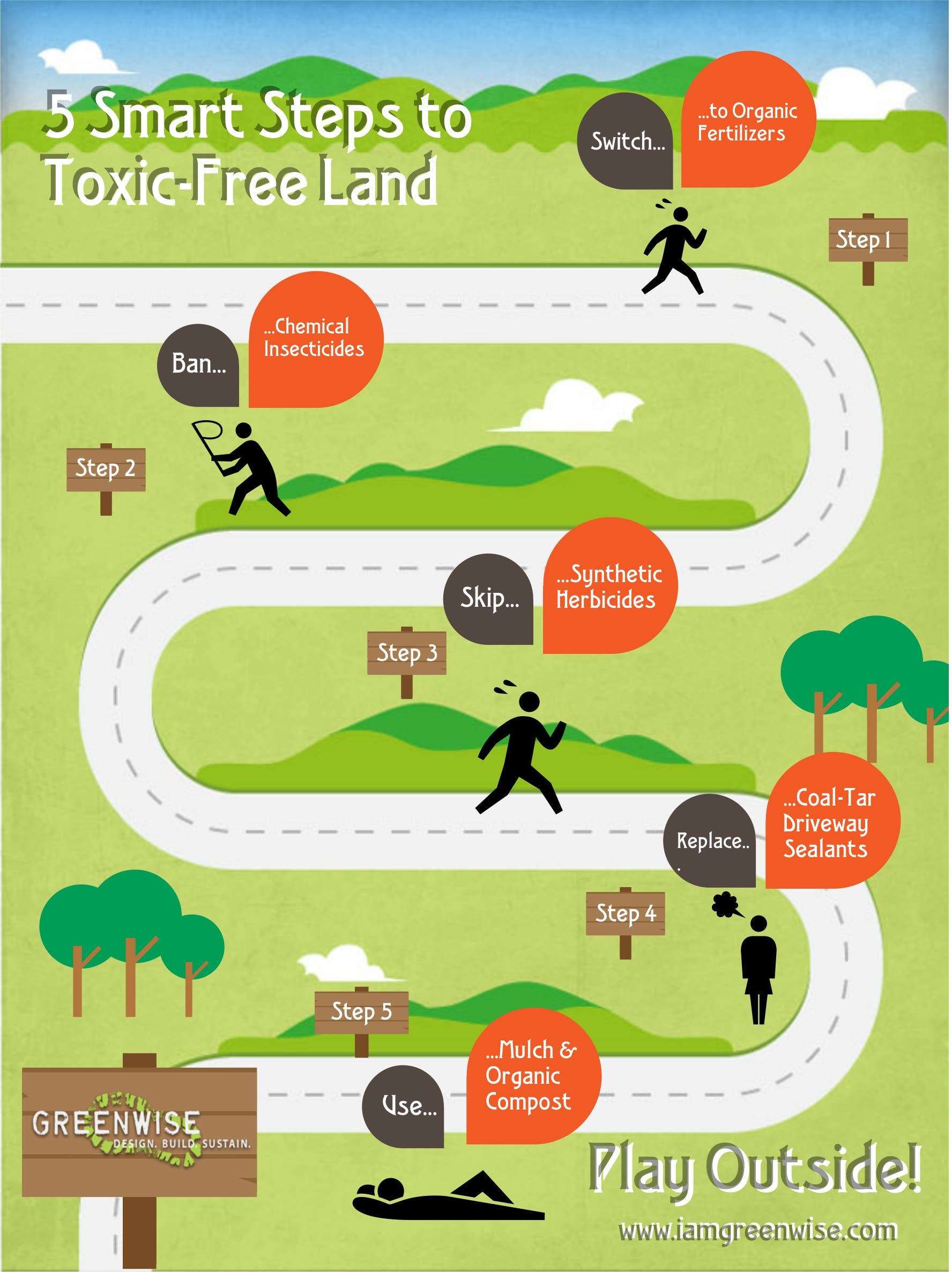
Evanston, IL – [April 22, 2015] – Earth Day serves as an excellent reminder that we can help make the world a safer, healthier place starting in our own backyard. According to the experts at Evanston-based Greenwise Organic Lawn Care, we can make a big impact almost immediately by banning common but deadly toxins from our own properties.
Here are the 5 top ways to rid your property of toxins today:
1. Switch to organic fertilizers
Find out what's happening in Evanstonfor free with the latest updates from Patch.
Although synthetic fertilizers may produce impressively quick results in the lawn and garden, use of these synthetic compounds can lead to fertilizer pollution. The environmental damage is made greater by the polymer coatings of synthetic fertilizers added to ensure a slow-release. These coatings also mean that when washed into the water table, the harmful effects of these fertilizers will linger for unnatural amounts of time.
Organic lawn care completely abolishes these concerns. Effective natural alternatives to synthetic fertilizers not only do exist, they will cultivate longevity and beauty better than their chemical opposites. They are designed to prevent weeds, provide a deep green and dense lawn, and improve soil with minerals, micro-nutrients, and microorganisms. Unlike synthetic programs which require increased chemical use over time, organic lawn care becomes more effective with age.
Find out what's happening in Evanstonfor free with the latest updates from Patch.
2. Ditch the synthetic herbicides
A 2003 Environmental Protection Agency report states that of the 30 commonly used lawn herbicides 19 have studies pointing toward carcinogens, 13 are linked with birth defects, 21 with reproductive effects, 15 with neurotoxicity, 26 with liver or kidney damage, 27 are sensitizers and/or irritants, and 11 have the potential to disrupt the endocrine (hormonal) system.
Synthetic herbicides are not only dangerous, they are also unnecessary. In the lawn, weeds can be greatly reduced by addressing the conditions that allow them to flourish. Non-toxic solutions to weed issues include improving the soil and growing conditions, planting locally adapted grass, mowing high and often, watering deeply but not too often, and correcting drainage issues.
3. Stop using chemical insecticides
Most homeowners are very aware of the dangers of chemical insecticides but may not be aware that they are a mostly unnecessary danger. The safest way to prevent insect damage in the lawn and garden is to discourage the insects from coming in the first place. A healthy garden is the best defense.
Rather than treating with toxic chemicals, homeowners can adopt safe, effective practices such as removing weak plants, building healthy & organic soil, using non-toxic essential-oil-based sprays such as neem or cedar, and minimizing insect habitat.
4. Don’t use coal-tar driveway sealants
Coal-tar sealants contain polycyclic aromatic hydrocarbons, or PAHs, which have been shown to be carcinogenic, toxic, and mutagenic. When rainwater hits your driveway, the toxic chemicals run off into your yard and into your local drinking water supply. The resulting damage is the same as dumping quarts of motor oil right down a storm drain.
Homeowners can consider replacing concrete or asphalt paved areas with permeable materials and methods that will not only make their property look better, they are also better for the environment. Permeable materials allow rainwater and snowmelt to drain into the ground, rather than sending them–and all the pollution they carry–into streets and storm drains. For example, a 30-by-30 foot patch of asphalt can shed more than 550 gallons of water in a one-inch rain. Multiply that by thousands of homes, and the result is a tidal wave of potentially tainted H2O.
5. Do use mulch and organic compost
One of the best ways to safely prevent weeds and improve soil conditions in the garden is to use organic compost and mulch. Compost releases small amounts of nutrients available for the plants to take-up, and improves the soil in the short term as well as preventing it from degenerating in the long term.
Organic mulch not only provides better conditions in which the plants grow, it also protects the top soil from the effects of sun, wind and rain, naturally suppresses weed growth, and further ensures that the soil will have a larger percentage of the organic matter so crucial to its health and the life it contains.
Toxic or Safe? The choice is ours.
Ultimately, when deciding on a lawn-care program, homeowners should consider safety, heartiness, and longevity over quick fixes, fragility, and fleeting dependency. With organic fertilizers and environmentally friendly pest control, the soil condition is greatly improved, allowing for reduced weed pressure and dense, durable turf resulting in better weed suppression, improved drought tolerance, and increased disease resistance. Best of all, the resulting beautiful lawns and gardens are also safe for pets & people to enjoy.
For more tips on ridding lawns and gardens of toxins, visit www.iamgreenwise.com.
Founded in 2007, Greenwise Organic Lawn Care is the leading organic lawn care company in the Greater Chicago area. Greenwise provides organic lawn care, sustainable landscape design and installation, eco-friendly landscape maintenance, sustainable horticultural and arbor care, and eco-friendly snow removal services. More information about Greenwise can be found at www.iamgreenwise.com.
For additional information contact: Michael Kormanik michael@iamgreenwise.com (847) 866-1930