Politics & Government
First 16 Evanston Reparations Beneficiaries Begin To Receive $25,000
Most of the first recipients of grants from Evanston's reparations program for Black residents plan to use the money for home improvements.


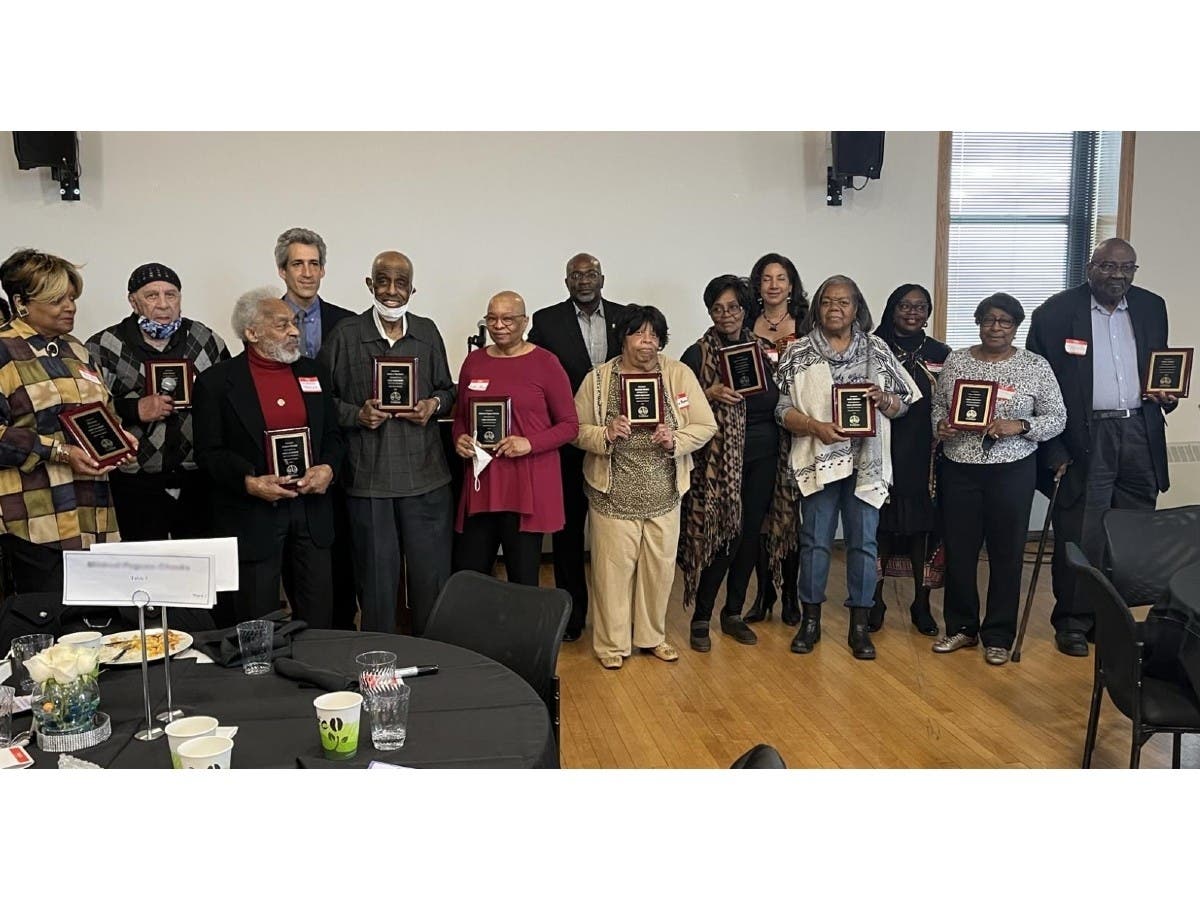
EVANSTON, IL — The first group of beneficiaries of Evanston's municipal reparations program have begun to receive housing grants, city staff announced.
The 16 grant recipients were selected at random in January from 122 applicants who qualified as "ancestors" under the city's reparations program. To qualify, Black residents had to provide documentations showing they lived in Evanston as adults prior to 1969.
Each will receive up to $25,000 in tax-free grants that can be used to pay for a home purchase, pay off a mortgage or cover the cost of home improvements from the Restorative Housing Program, which aims to address the effects of housing discrimination and redlining on Black Evanstonians.
Find out what's happening in Evanstonfor free with the latest updates from Patch.
Speaking at last week's City Council meeting following a gathering recognizing the program's first beneficiaries, Mayor Daniel Biss said it was still early in Evanston's efforts to repair the harm of institutional racism, but the city still has a moral responsibility to reverse the damage of its own racially discriminatory practices.
"A single financial contribution is a small part of the reparatory work that needs to be done and that we're committing to do," Biss said. "We make these allocations of funding as a recognition of how much more work we have to do thereafter, but also as a recognition that it's simply not acceptable any longer to take this tangible step."
Find out what's happening in Evanstonfor free with the latest updates from Patch.
The city's reparation program was established in December 2019 and funded with a pledge of the first $10 million in local tax revenue from the sale of recreational marijuana. In March 2021, the City Council allocated $400,000 to the program. City staff said 674 people applied after applications opened in September 2021.
Of the first 16 Evanstonians selected to receive grants, one has selected assistance with the purchase of a home, one is still deciding how to spend it, two have selected mortgage assistance and have already received the money, six chose to use the grant for a combination of mortgage assistance and home improvement, and the other six chose to use their full grants for home improvements, city staff announced.
One of the beneficiaries who selected home improvement has received partial payment to begin the work.
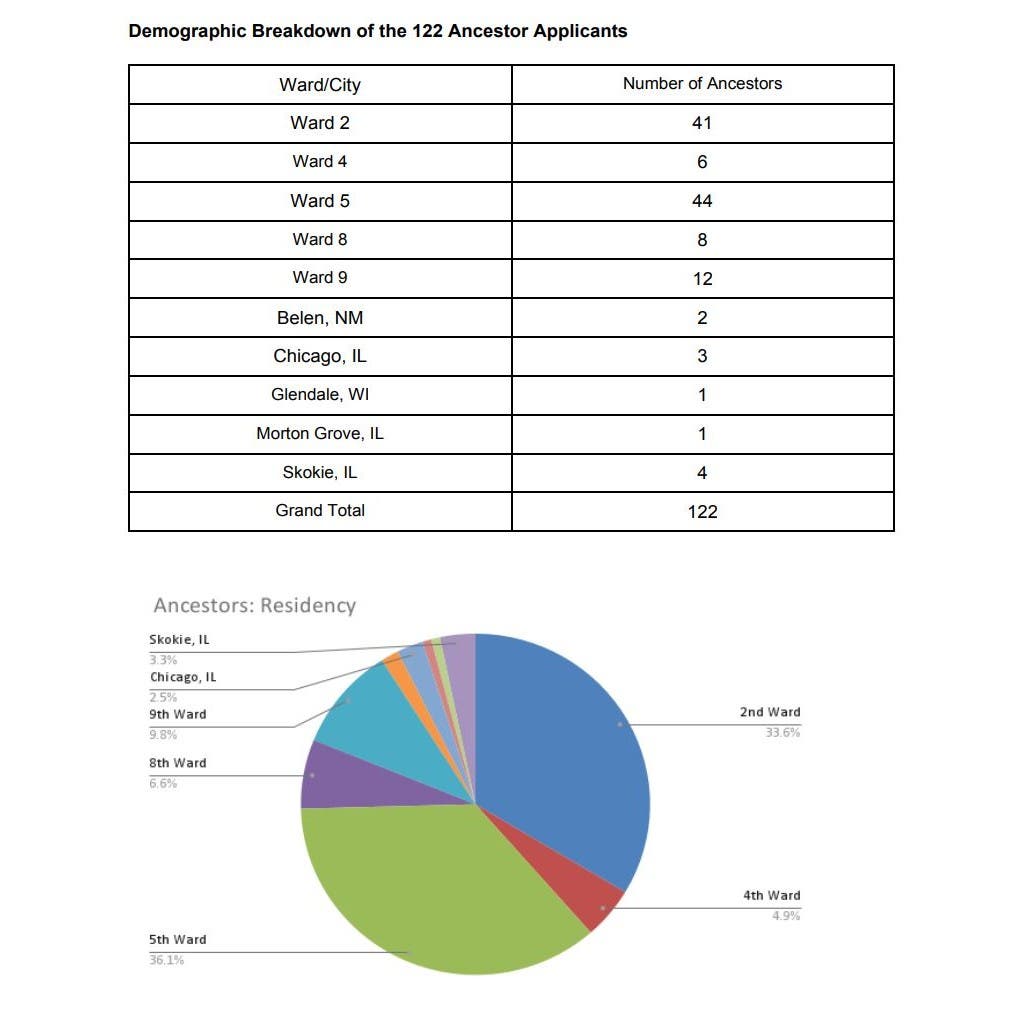
About 70 percent of the applicants in the ancestor program are residents of Evanston's 2nd and 5th Wards. Four are Skokie residents, three live in Chicago, two now live in New Mexico, one lives in Wisconsin, and another lives in Morton Grove, according to a staff memo.
The City Council's seven-member Reparations Committee will develop future reparation initiatives through additional community outreach, according to an announcement from city staff.
Committee chair and 2nd Ward Ald. Peter Braithwaite said the program's first housing grants represented a historic milestone for the entire nation.
"We recognize that this up to $25,000 is not going to make anyone whole, but it is a first step that we recognize," Braithwaite said at last week's council meeting. "And with this 16, we've learned so much. And we hope to, over the next couple of months at our committee meeting, to secure the funding for the other 102 ancestors that are in that category and from there, qualify the group of descendants, and then from there, hopefully continue to move on with additional repair work."
Ald. Devon Reid, 8th Ward, another one of the three councilmembers on the Reparations Committee, said the city was not on track to generate $10 million over the program's first 10 years.
"That's a great goal, but right now we're nowhere near on track to do that," Reid said.
"At the pace that we're gathering funds in the Reparations Fund now through the taxing sources, it would be another two years before we could do another 16," he added. "It'd be years, decades before we even got through the ancestors. And so the charge that this body has to take up now, I think, is finding additional sources of revenue to allocate toward reparations and looking to expand the program."
Related: Ping-Pong Ball Draw Picks Evanston Reparations Recipient Order
Get more local news delivered straight to your inbox. Sign up for free Patch newsletters and alerts.