Health & Fitness
Human Case of West Nile Reported in Evanston
Case reported to Evanston's Health and Human Services department.


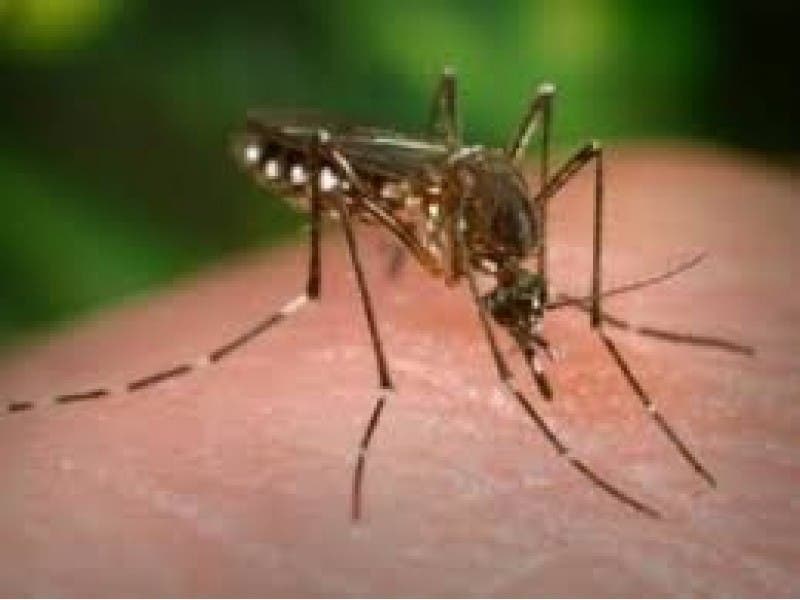
The first human case of West Nile virus in Evanston this year was reported to the city’s Health and Human Services Department this week.
According to a city news release, as of October 14, 57 cases of the virus have been reported in Illinois this year. The first Evanston mosquito batch that tested positive for West Nile virus this year was collected on July 1.
In 2014, 44 cases were reported in the state.
Find out what's happening in Evanstonfor free with the latest updates from Patch.
West Nile virus is transmitted through the bite of a mosquito that has picked up the virus by feeding on an infected bird. Common West Nile virus symptoms include fever and headache. More severe cases can be associated with a high fever with head and body aches and disorientation, convulsions and tremors, and even paralysis and death. Symptoms can appear 3 to 14 days after infection and may last from a few days to a few weeks. However, many people infected with West Nile virus will not show any symptoms. People older than age 50 are at higher risk for severe illness from West Nile virus.
“Residents need to be cognizant that West Nile virus prevention does not stop with the adult mosquito operations performed by the North Shore Mosquito Abatement District,” said Evanston Health and Human Services Department Director Evonda Thomas-Smith.
Find out what's happening in Evanstonfor free with the latest updates from Patch.
The city has provided tips on how to help combat the development of the virus.
- Avoid being outdoors when mosquitoes are most active, especially between dusk and dawn
- When outdoors, wear shoes and socks, long pants and a long-sleeved shirt and apply insect repellent that contains DEET, picaridin, oil of lemon eucalyptus or IR 3535, according to label instructions. Consult a physician before using repellents on infants
- Make sure doors and windows have tight-fitting screens. Repair or replace screens that have tears or other openings. Try to keep doors and windows shut, especially at night.
- Eliminate all sources of standing water that can support mosquito breeding, including water in bird baths, ponds, flower pots, wading pools, old tires, and any other receptacles.
Get more local news delivered straight to your inbox. Sign up for free Patch newsletters and alerts.