Community Corner
NSSC Pride Month Update: Disrupting Disparities for LGBTQ Older Adults
We strive to recognize the disparities endured by the individuals we serve regardless of how they identify--Executive Director Tish Rudnicki
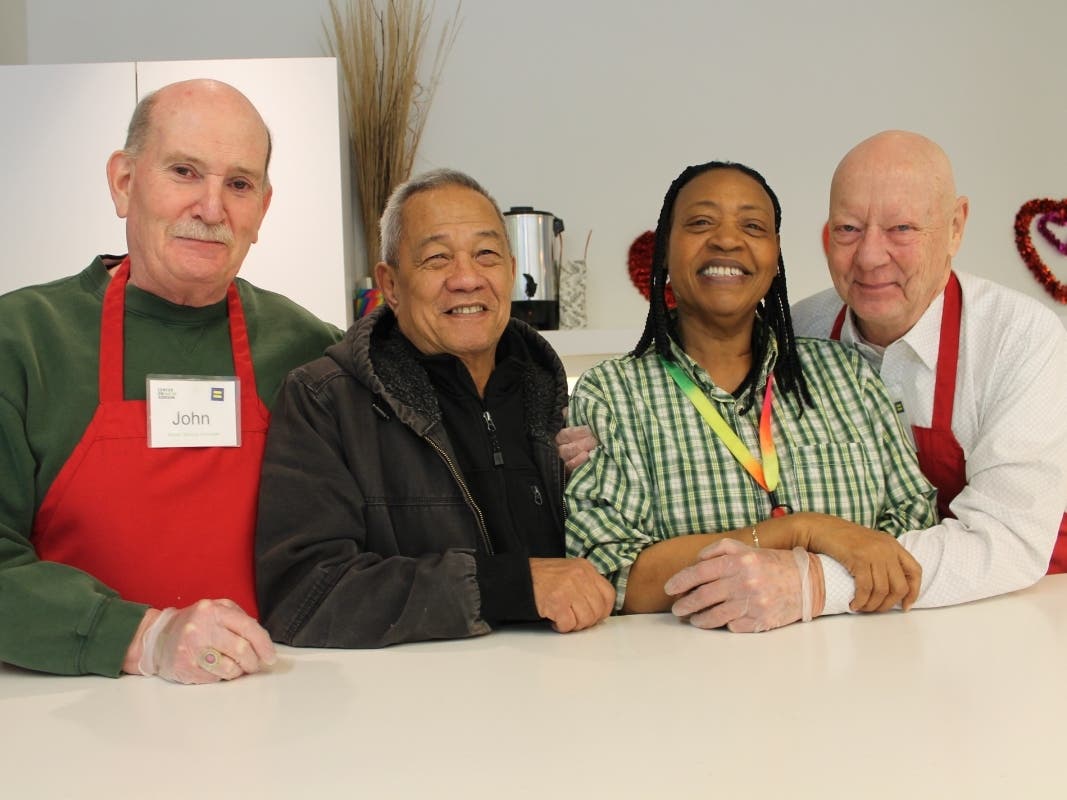
Donald M. Bell’s email signature reads: “(he/him/his) 73.” Many of us are familiar with the use of gender pronouns, but why the “73”?
“I include my age as part of my identity,” Don explained, “because my age is as much a part of my identity as my race, gender, and sexual orientation. We live in a society that oftentimes tells us that as we grow older, we are of lessor value to society ... but I am proud of my age.”
Throughout his professional life, Don served as an administrator for several academic institutions. He is now one of the first residents of Town Hall Apartments, Chicago’s first LGBTQ+ friendly older adult housing facility developed in collaboration with the Center on Halsted and Heartland Alliance.
Find out what's happening in Evanstonfor free with the latest updates from Patch.
There is diversity among the Town Hall residents, Don said. “About 65% identify as LGBTQ+ and 35% identify as heterosexual, and we live in a safe and friendly environment of acceptance and friendship.”
Note: This article originally appeared in the North Shore Senior Center’s NSSC Engage Magazine & Lifelong Learning Catalog, May-August 2023.
Find out what's happening in Evanstonfor free with the latest updates from Patch.
The Needs of Aging Heterosexual and LGBTQ+ Older Adults: Similar with Some Key Differences
From Don’s perspective, for both LGBTQ and heterosexual adults, the reality of aging is generally the same (for example: the passing of spouses and friends, health challenges, loneliness) with one major difference.
“Many LGBTQ+ older adults remain estranged from families and our communities of origin,” Don pointed out. “The challenge we face is finding housing where there is social acceptance, shared life experiences, and culturally competent social service support.”
Reports compiled at the local level are supported by nationwide findings. As stated in a comprehensive report from Disrupting Disparities, Challenges and Solutions for 50+ LGBTQ Illinoisians:
“Many LGBTQ+older adults have encountered unique and long-standing systemic discrimination and barriers as they age, leading to widespread disparities in health, economic security, caregiving, and social connections.”
“We strive to recognize the disparities endured by the individuals we serve regardless of how they identify,” said NSSC Executive Director Tish Rudnicki, MSW.
“NSSC’s goal is to help all older people on their quest for secure, connected, fulfilling lives in their communities. We do that by offering a wide variety of in-home services and supports, while also offering opportunities to volunteer, learn, and socialize at our Center in Northfield.”
Local Experiences Mirror National Studies
Britta Larson, senior services director at Center on Halsted, is responsible for overseeing older adult programs and managing the nation’s first home-sharing program designed for LGBTQ+ older adults.
Britta shared some of the struggles this population faces and offered resources for them and their loved ones.
Q. What are the greatest challenges LGBTQ+ older adults face as they age?
A. One of the most significant challenges for aging LGBTQ+ adults is social isolation. They are twice as likely to live alone and four times less likely to have children, compared to heterosexual and cisgender (identifying with the gender in which one is born). This contributes to a diminished support system as they age, and increased loneliness and social isolation.
Q. What makes this population’s needs different than other demographic groups?
A. LGBTQ+ older adults have faced discrimination and barriers throughout their lifetime. Some of these include discrimination in housing and employment, unequal access to programs and services, and having their identity considered a mental illness.
This has resulted in higher rates of social isolation, health disparities, financial insecurity, lack of acceptance, decreased visibility, continued discrimination, minority stress, and internalized homophobia/biphobia/transphobia.
I also want to highlight that LGBTQ+ are a diverse group of people who come from all backgrounds. LGBTQ+ people have many identities in addition to being LGBTQ+. It is important to use an intersectional lens when addressing systems of inequity.
Q. What are the obstacles that you see LGBTQ+ older adults face as they seek services as they age?
A. They are less likely to seek services for fear of discrimination, mistreatment, and bullying. As LGBTQ+ adults access aging services, such as senior centers and senior living communities, they may go back into the closet—which can contribute to feelings of isolation and loneliness.
Q. What advice would you give to LGBTQ+ older adults seeking services from inclusive resources?
A. I’d encourage them to identify organizations that are inclusive (ask questions, do research), to be “out” to the extent that they are comfortable, to share ways organizations can improve inclusivity, and to report any discrimination (reports can be made to the Chicago Commission of Human Rights or the State of Illinois).
Q. What advice do you have for loved ones of those in the LGBTQ+ community?
A. Here are several tips:
• Become educated on the LGBTQ+community. Terminology is
particularly important, including the use of correct gender pronouns.
• Unconditional love and support are essential.
• Follow the individual’s lead in terms of how you can best support them.
• If seeking services on behalf of an LGBTQ+ person, respect how “out” they are and don’t disclose their identity without their permission.
About Center on Halsted
Located on Chicago’s north side, Center on Halsted is the Midwest’s most comprehensive community center dedicated to serving the LGBTQ+ community. It offers a diverse array of
programming and services including senior services for those 55+, youth services for those ages 13-24, behavioral health counseling, community and cultural programs and groups, and HIV and STI testing/prevention.
For more information, visit centeronhalsted.org or call 773.472.6469.
Update from North Shore Senior Center
NSSC is proud to announce that by the end of June, all NSSC employees will have completed SAGECare training, enabling us to provide exceptional services to LGBTQ+ older adults and a more positive environment for members of the LGBTQ+ community.
“As an organization that works with older adults of all backgrounds, cultures, colors, and identities, it’s important that we learn as much as we can about the diverse populations we serve.
“Earning an official SAGECare credential demonstrates that we are educated on the needs of older members of the LGBTQ+ community, giving folks a peace of mind that we are welcoming to all,” said Amy Krause, director of Marketing & Communications.
SAGECare is a leading LBGTQ+ gaining cultural competency provider with decades as a leading educator that provides training programs and strategic guidance to help improve the lives of LGBTQ older adults.
SAGE is the country’s largest and oldest organization devoted to improve the lives of LGBTQ+ older adults: Visit: https://sageusa.care/ and https://www.sageusa.org/
For additional information, contact: Amy Krause, director of Marketing & Communications: akrause@nssc.org.