Health & Fitness
Pritzker 'Cautiously Optimistic' Illinois Omicron Peak Has Passed
The governor said the recent decline in the number of people with COVID-19 in Illinois hospitals shows masks and vaccines are effective.


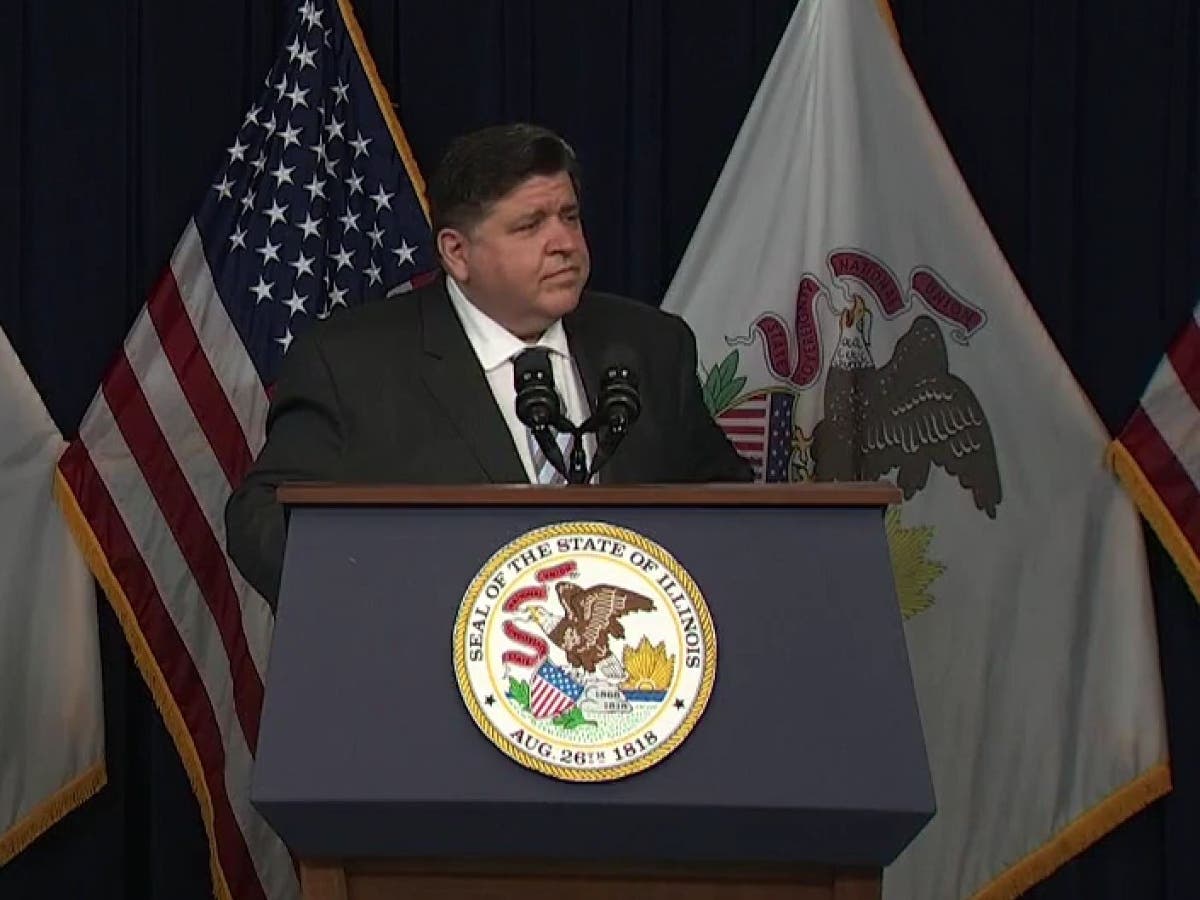
CHICAGO — After setting an all-time record last week, the number of people with COVID-19 in Illinois hospitals is on the decline.
Gov. J.B. Pritzker and Illinois Department of Public Health Director Dr. Ngozi Ezike both expressed cautious optimism Wednesday as they announced the state had recorded a full week of daily declines in the number of hospitalized people with COVID-19.
But the governor said Illinois health care systems remain under "immense strain." As of late Tuesday night, more than 6,500 people with COVID-19 occupied hospital beds statewide, down 873 from last week's peak.
Find out what's happening in Evanstonfor free with the latest updates from Patch.
"We have lost so many people in recent weeks. Since the beginning of January alone, over 1,500 of our state's residents died from the virus," Pritzker said at a news conference in Chicago. "Despite the recent indications of fewer new infections and fewer new hospital admissions ahead, it breaks my heart to know that in the coming weeks, hundreds more may die, among the thousands that are already seriously ill from COVID."
Pritzker called on Illinoisans to continue to wear masks indoors, get COVID-19 vaccine boosters and encourage others to get vaccinated. He said the "vast majority" of hospitalized patients are unvaccinated.
Find out what's happening in Evanstonfor free with the latest updates from Patch.
State public health officials update the total number of fully vaccinated people to have been hospitalized every week. Public health officials also provide a daily average number of new hospital admissions of people with what the state calls "COVID-19-like illnesses," or CLI.
A comparison of that data over the last four weeks indicates that between 85 and 95 percent of people newly hospitalized with coronavirus symptoms have been unvaccinated. For the week ending Jan. 12, the most recent seven-day period for which there is complete data from the Illinois Department of Public Health, there were 308 new breakthrough hospitalizations reported, compared to about 4,300 CLI admissions.
Ezike said state officials were focused on hospitalization trends rather than numbers of new infections, which have skyrocketed amid the omicron surge.
"The Illinois data shows that being unvaccinated, or only partially vaccinated as opposed to boosted, places you at 11 times greater risk of hospitalization and 13 times greater risk of dying," Ezike said. "So you want to be on the side of the boosted."
Ezike was asked how many of those currently hospitalized were being treated for an acute case of COVID-19 and how many had tested positive after arriving at the hospital for another reason — so-called "incidental cases."
"That's an important question, and we have been looking at that," Ezike said. "That's the same across the country. We're seeing that because of the ubiquitousness of omicron there are people that maybe went in for hip surgery, but as you're going to intubate them you definitely want the staff to be protected, and you need to know their status."
Although some hospital groups have independently released data about rates of incidental cases, IDPH spokespeople have said the state does not collect such data.
"It is true that there are some people that are not suffering many respiratory illnesses associated with that, but it's still important to know all those people," Ezike said, emphasizing the special precautions necessary for treating coronavirus-positive patients.
"Each case is different," she said. "Some, the COVID is an actual illness that needs specific attention — they all need attention, in terms of how the caregivers will care for them."
Related:
Chicago Passes 'Omicron Peak' As Coronavirus Cases Drop: Top Doc
FEMA Providing Staff To Address IL Hospital Employee Shortages
IDPH 'Unable' To Say How Many Children Are Hospitalized For COVID
COVID-19 Hospitalizations Spike Nearly 60 Percent In Illinois
The number of patients in intensive care units also appears to have peaked, although just 10 percent of the state's ICU beds remain open. The number of COVID-19 patients in ICUs remained just shy of the record levels it reached in April and May 2020 and January 2021.
The state public health director said the downward trend in hospitalizations was good news, but the sheer volume of people with coronavirus in the state's hospitals is a challenge that requires public health officials to "pull ever single lever available" to maintain staffing.
At the same time, she said the state health department and the governor's office would come up with plans for moving forward to the next stage of the pandemic.
"Two years into the pandemic, we've learned so much, we've amassed so much knowledge," Ezike said.
"We have to figure out how we are going to live, how we are going to coexist with COVID, and so there may be some adjustments or shifts that we will make, given the wide availability of vaccines and, now, the onboarding of therapeutics," she added. "The quantities are very limited now, but as those increase, those are also a game-changer that will allow us to maybe pivot from everything being COVID, COVID, COVID and being able to have it as something that we coexist with."
Get more local news delivered straight to your inbox. Sign up for free Patch newsletters and alerts.