Schools
'Real' Gap in 9/11 Perception Between High Schoolers Then and Now
A Northwestern professor who taught at New Trier in 2001 describes how time changes the perception of 9/11.


There isn’t much of a gap in age between those who were in high school on the day of the terrorist attacks of September 11, 2001, and those in high school now.
The two groups are 15 years apart, and mostly of the same generation.
But when it comes to perception of the tragic event, there is quite the gap. While high school-age kids in 2001 remember watching the events as they unfolded on television at school, students today were either not alive yet or too young to remember the day.
Find out what's happening in Evanstonfor free with the latest updates from Patch.
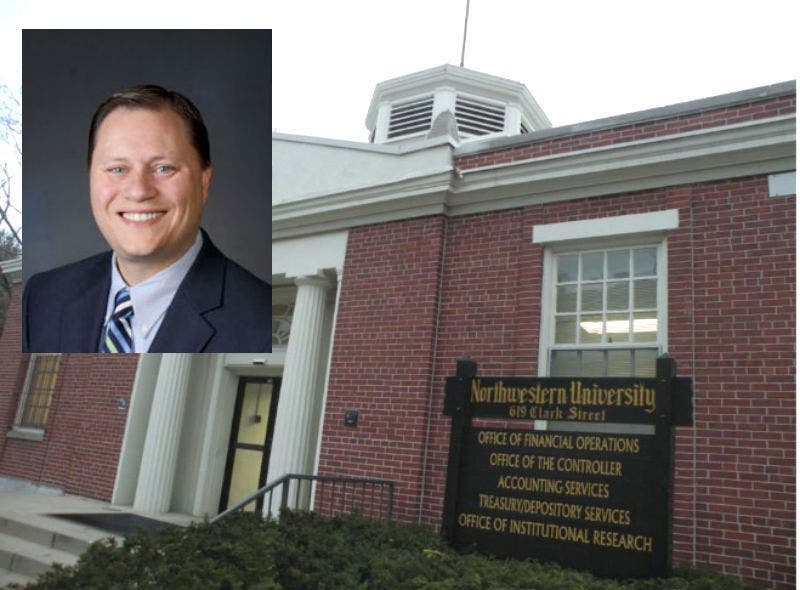
“There’s a distance that gets in the way of the actual experience and time does that,” said Tim Dohrer, a Northwestern University education professor who in 2001 was teaching English and journalism to freshmen at New Trier High School’s new Northfield campus. “I believe in reading books to help experience what it was like in different time frames, but it never replaces the act of being in the moment.”
Dohrer remembers teaching his journalism class on 9/11/2001 and having to disregard his previous lesson plan to focus on the event for at least a couple of weeks. The students all understood what was going on. It was an ongoing development.
Find out what's happening in Evanstonfor free with the latest updates from Patch.
But in dealing with high school kids today, 9/11 is “not as real” to them, he says.
“Time surely diminishes the historical impact,” he said. “The images don’t mean the same, the story doesn’t mean the same and the music doesn’t resonate like it did with the group who lived through it.”
Dohrer refers to his 9-year-old daughter as an example. Just a few days ago, she asked him ‘what’s 9/11?’
“We have to put things into context to help kids understand,” he said, noting that he was honest with her daughter about what happened, but would not share images of the horrifying acts. “By humanizing it and asking kids to put themselves in the shoes of people from history, it helps them empathize.”
9/11, for Dohrer, went from a need to swap out a planned lesson on the basics of journalism with a more immediate, complex topic that would later be the basis behind a lesson development he would use for the next four to five years while teaching at New Trier.
For every year on the event’s anniversary, Dohrer would incorporate music into his lesson. He would have students listen to songs that were made in the immediate post-9/11 time and how they were related to the event. He would then have the students come in with current songs associated to relevant current topics.
“It was a great chance for us to talk about 9/11 every year and how musical artists would use it to reflect,” he said. “It was also a way to tie the event into poetry and the kind of analysis we would do in English classes.”
In the year of the attack, Dohrer contrasted the event with other tragedies of the past like the JFK Assassination, the Kent State Massacre or the bombing of Pearl Harbor. The class compared newspaper pages from September 12, 2001, to those from the other tragedies from the past.
“That was powerful for us,” he said. “That group of students and I really bonded over it.”
Also on Patch
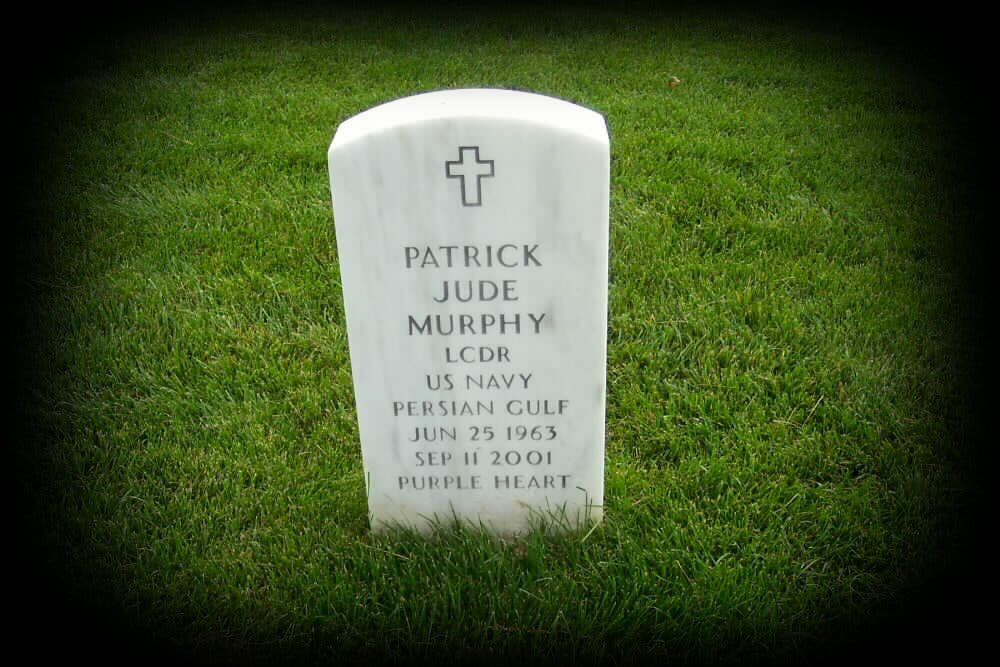
Teaching 9/11 History to a Generation With No 'Personal Memory' of That Terrible Day
Marian Catholic High School in Chicago Heights relies on a personal connection to bring home the impact of 9/11 to students who were 2 or 3 years old that day.
Get more local news delivered straight to your inbox. Sign up for free Patch newsletters and alerts.