Neighbor News
Serious risks for youth who use marijuana
Marijuana use can have serious implications on youth.
SERIOUS RISKS FOR YOUTH WHO USE MARIJUANA
Marijuana is the most widely used illegal drug in the US and world. Use of marijuana by American youth has surpassed the use of tobacco, and is on track to overcome the use of alcohol in the next few years.
The main concern with cannabis legalization should be with how it will negatively affect children, adolescents and young adults.
Find out what's happening in Evanstonfor free with the latest updates from Patch.
One troubling piece of evidence comes from the national Monitoring the Future study, which shows that perceived harm from using marijuana is decreasing among US youth.
Less perceived risk is negatively associated with use. That means the more youth believe that marijuana is harmless, the more likely they are willing to use it.
Find out what's happening in Evanstonfor free with the latest updates from Patch.
In addition, legalization of recreational marijuana use for adults increases access to cannabis products by underage youth and children by illegal or accidental means.
All Americans should be concerned about the increasing potential for marijuana harm among youth resulting from the effects of legalizing marijuana use on its availability, acceptability, and myths about its harmfulness.
10 RISKS OF MARIJUANA USE
1. Marijuana Addiction
One in six adolescents who use marijuana will become dependent. According to the National Institute on Drug Abuse, youth who start using marijuana before the age of 18 are 4-7 times more likely to develop a cannabis use disorder than those starting to use marijuana later in life (https://www.drugabuse.gov/publications/research-reports/marijuana/marijuana-addictive). Cannabis use disorder effects can include spending a lot of time using marijuana, giving up other activities to use it, experiencing problems at work and school, having difficulty controlling or cutting down on using it, and experiencing withdrawal effects when abruptly stopping.
2. Fatal and Nonfatal Overdoses
While it is extremely rare that an overdose of marijuana will result in death from the toxicity of the substance like is possible with alcohol or opioid use, cannabis overdose is responsible for tens of thousands of emergency hospital visits each year. Acute symptoms from marijuana overdose can include increased or decreased heart rate, high blood pressure, agitation, anxiety, gastrointestinal problems, and panic. More concerning are three recently reported deaths, of which two were youth, from consuming cannabis edibles in Colorado where recreational use of marijuana is legal (http://www.foodsafetynews.com/2015/03/third-death-in-colorado-linked-to-edible-marijuana/#.WEM1ToWcHmI).
3. Impaired Brain Development
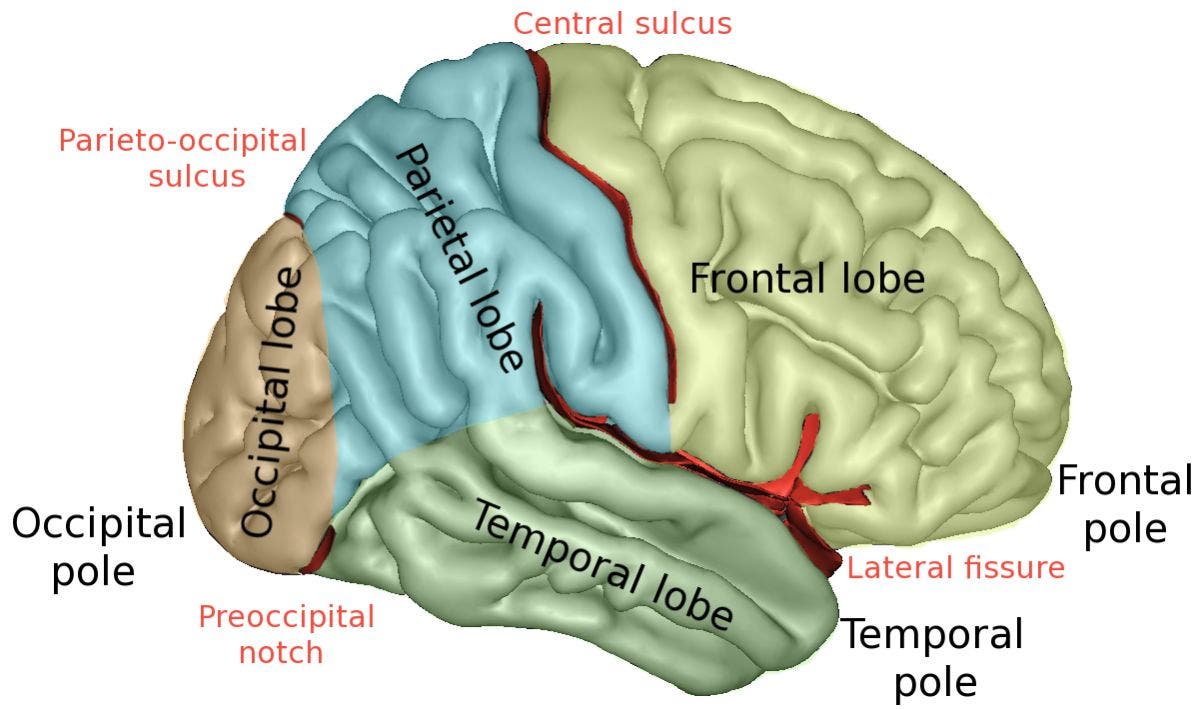
Marijuana exposure during adolescence or younger (e.g., before and after birth) is associated with problems with learning and memory tasks, executive functioning, and reduced verbal memory and possibly IQ. Functional brain impairment is associated with the age of initiation, as well as how much and how long a person uses marijuana. Early marijuana consumption is associated with decreased brain size and conductivity. Early use of marijuana is also associated with more frequent and heavy use of cannabis later in life. Adverse effects of marijuana on the brain during development may be long-term or even permanent (https://www.drugabuse.gov/publications/research-reports/marijuana/how-does-marijuana-use-affect-your-brain-body).
4. Mental Health Disorders
There is a correlation (may or may not be causal) between youth marijuana use, particularly heavy use, and the onset of psychosis and schizophrenia. This is especially the case for youth with a family history of these disorders. There is also a link between marijuana use and increased anxiety and depression, as well as suicidal thoughts and attempts (https://www.drugabuse.gov/publications/marijuana/there-link-between-marijuana-use-psychiatric-disorders).
5. Automobile Crashes
There is an increased risk for automobile crash injury and death for youth and adults who drive after using marijuana. This is due to marijuana’s effects on impairing reaction time, perceptual-motor coordination, performance attention, information processing, tracking behavior, and diminished response to emergency situations. This risk is further increased if marijuana is used in combination with other drugs or alcohol.
6. Negative Education and Employment Outcomes
Marijuana use is associated with worse performance in school, including lower test scores and not completing school. Marijuana’s negative effects on attention, memory and learning can last days or weeks after use, so daily consumption can harm intellectual functioning continually. Heavy cannabis use is also linked to lower income, welfare dependence, unemployment, criminal behavior, and lower life satisfaction.
7. Physical Health Problems
Marijuana consumption is associated with several important health problems. These include throat and lung irritation, heavy coughs and large airway inflammation, and possible reduced respiratory immune response increasing respiratory infections like pneumonia among regular marijuana smokers. Marijuana smoke, like tobacco smoke, contains carcinogens that are cancer causing products, but whether cannabis smoking causes cancer is not currently known. In addition, marijuana use is correlated with a possible increase in Sudden Infant Death Syndrome (SIDS) (https://www.ncbi.nlm.nih.gov/pubmed/11434841/).
8. Other Drug Use and Disorders
Youth who use marijuana, especially heavy or frequent use, are more likely to use other illegal drugs. It is rare for youth to use other illegal drugs without having first used marijuana (as well as tobacco and alcohol). In addition, youth suffering from cannabis use disorder are at greater risk for having other substance use disorders.
9. Wasted Time and Life Problems
Some of the symptoms of marijuana use disorder include spending too much time using cannabis, as well as giving up or reducing other activities in favor of using marijuana. Other outcomes from using marijuana, especially daily or nearly daily use, can include experiencing problems at work, school and home, as well as continuing to use cannabis despite experiencing physical, social, psychological or relationship problems. These symptoms illustrate how marijuana use among youth can develop into a pattern that interferes with a productive, active, healthy, and problem-free lifestyle.
10. Negative Self-Identity
The marijuana industry, as witnessed by its online marketing, promotes advantages to living a “stoner lifestyle.” This type of a lifestyle can expose youth to high risk friends and situations. In addition, youth who self-identify with a life emphasizing getting high on a regular basis is likely to conflict with the development of healthier and more well-balanced self-images, such as being physically fit, energetic, successful, intelligent, kind, generous, or wholesome. That’s why some evidence-based marijuana use prevention programs are designed to develop positive, wellness-based self-identities and lifestyles (http://preventionpluswellness.com).
Conclusion
Marijuana use can have a significant negative impact on the mental and physical health, potential for injury and death, education and employment, and personal development of children, adolescents and young adults. All adults should be gravely concerned about the increasing use of marijuana among young people in the US and throughout the world.
Recreated from Reference:
Ten Serious Risks for Youth who use Marijuana. Prevention Plus Wellness Website. Retrieved
from: http://preventionpluswellness.com/2016/12/risks-youth-marijuana/
Posted by, Julia Brownfield, ESAP Coalition Alcohol Committee Chair
esapcoalition.org