Neighbor News
Stress, Substance Use and Your Teen
Stress linked to substance use. By, Julia Brownfield
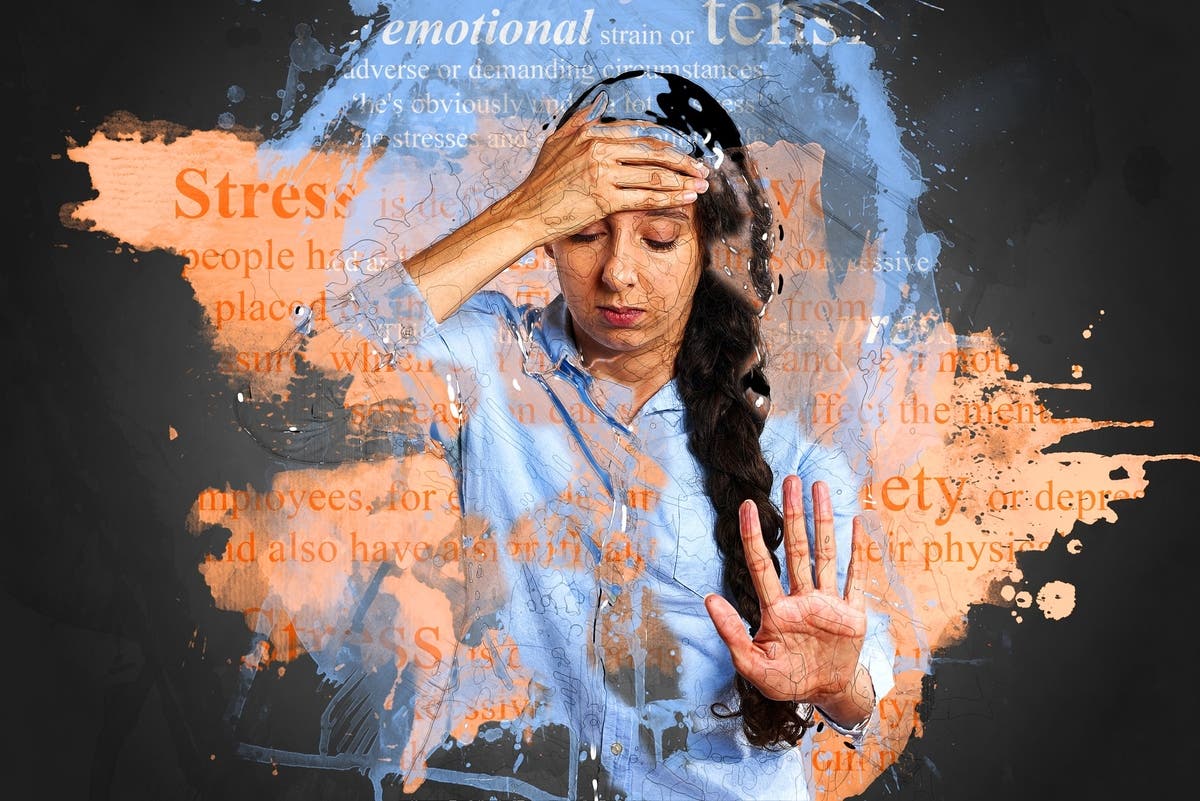
According to Richard S. Lazarus, stress is a feeling experienced when a person thinks that demand exceeds the personal and social resources the individual can mobilize. It can also be defined as mental, physical and emotional reactions someone experiences as a result of demands of life. According to the Diagnostic and Statistical Manual of Mental Disorders (DSM), substance abuse is a maladaptive pattern use of drugs or alcohol leading to clinically significant impairment or distress. Stress is a well-known risk factor in the development of addiction or rather substance use disorder (Enoch, 2011).
Numerous studies have linked stress and substance abuse. Researchers believe that stress can cause brain changes which leads to misuse of substance use. Also, there are some mental health disorders such as depression that has been linked to substance usage. Stress leads to an increase in vulnerability of substance use (Sinha, 2001). There are a series of the population-based and epidemiology studies that have identified specific stressors and individual level variables that are predictive of substance use. Stress experiences can be emotionally or physiologically challenging and activate stress responses and adaptive processes to regain homeostasis (Sinha, 2001).
The human body is designed to experience stress and react to it. Stress can either positively or negatively affect someone. Positive stress will make someone alert while negative will cause one to overwork and stress-related fatigue builds up due to lack of satisfaction. Continuous stress without relief leads to a condition called distress which is a negative reaction.
Find out what's happening in Evanstonfor free with the latest updates from Patch.
Symptoms of stress vary with individuals. Apparently, there are signs and symptoms showing one has stress which include: low self-esteem where one feels bad themselves and not worthy when one is easily agitated, frustrated or moody. If one has frequent headaches, they could be brought as a result of stress. In addition, when one experiences tense muscles, aches and pains; stress could be the culprit (if you experience these symptoms, to rule out injuries, talk to your doctor). When one feels overwhelmed and feels like they are out of control. When one is having difficulty in relaxing. Fatigue and sleeplessness. Frequent infections, i.e., cold and flu, loss of sexual desire or libido, amnesia, disorganization, poor judgment, increased pessimism, increase in alcohol or substance use. Individuals may also exhibit more of negative behaviors and loss of appetite (Enoch, 2011).
There are many challenges faced by people in their teen years; one of the challenges is the pressure to fit in. All teens want to be accepted, but today they face more and more pressure to be part of the crowd. Fitting in might mean having the latest cell phone or the “coolest” jeans, or hanging out with the right people. It could even mean using tobacco, alcohol, drugs or prescription drugs. Pressure to be perfect. It’s no surprise that many teens have unrealistic expectations about appearance. For some, this focus on perfection may lead to extreme measures, such as eating disorders, drug use to lose weight or steroids to strengthen or improve body image. Other teens just feel stressed trying to keep up with the prettiest, thinnest, or most fashionable kids at school.
Find out what's happening in Evanstonfor free with the latest updates from Patch.
Pressure to be sexually active (Vasse, Nijhuis & Kok, 1998). Have you noticed that many 15-year-olds today could pass for 21? In part due to sex in popular culture, teens face much more pressure today to be “sexy” and sexually active at an earlier age. Both boys and girls report feeling these pressures. Pressure to pick on others. There have always been bullies, but the taunting and teasing in high schools are at a troubling level. And increasingly it involves aggressive adolescent girls. Many girls often say that putting other people down makes them feel more included in a group, even if they know it’s wrong or hurtful behavior. New forms of teasing, such as cyberbullying, are also putting pressure on teens to take part in this hurtful behavior. Pressure to be successful. Teens face huge stress around academics, athletic performance, and other areas. Competition for college is tighter than ever, and teens are pressured early on to do “everything right” to get into the best school. Often teens feel they must excel in sports, extracurricular, volunteer and other activities to be competitive for the best schools. Many parents push their teens without even realizing it. In some cases, the stress may lead teens to use drugs or alcohol as a way to escape from their pressured lives.
The many pressures teens face can play a big part in influencing choices around risky behavior, especially substance use. In fact, most teens use alcohol or illicit drugs to fit in, to cope with an underlying problem, to feel stimulated or to address some combination of these (Sinha, 2001). Many of the major theories of addiction also identify an important role of stress in addiction processes. These range from psychological models of addiction that view drug use and abuse as a coping strategy to deal with stress and to reduce tension. The transition from casual use of substances to the inability to stop chronic use despite adverse consequences is a key feature of addiction.
Stress is manageable according to its cause, or according to the level, it has reached. One can reduce stress by keeping a positive attitude. By getting enough time to rest and sleep. Through eating well-balanced meals and living healthy. Talk issues out with friends, family nor therapists if the stress levels are high. Set limits on your commitments and never do anything that is beyond your capacity. Always be assertive and not aggressive towards issues. One should learn to manage their time effectively and efficiently. It can be difficult to do, but it’s suggested that if one learns to accept things that they can’t control or change, it can bring a sense of peace. One can also identify the sources of stress, and when they know the causes, they could minimize them. One should also take time for themselves; take a long walk, meditate (if that means putting on your headphones and tuning out for a while you should do it), take deep breaths and be aware of yourself and your surroundings, draw or paint (arts and crafts are healing), write in a journal, watch a funny movie (laughter is the best medicine), and whatever you do, love yourself and respect yourself through self-care.
References
Enoch, M. A. (2011). The role of early life stress as a predictor for alcohol and drug dependence. Psychopharmacology, 214(1), 17-31.
Sinha, R. (2001). How does stress increase risk of drug abuse and relapse? Psychopharmacology, 158(4).
Vasse, R. M., Nijhuis, F. J. N., & Kok, G. (1998). Associations between work stress, alcohol consumption, and sickness absence. Addiction, 93(2), 231-241.