Crime & Safety
New Lenox Fire Department Lets You Know How to Avoid Hypothermia
Follow these tips to avoid getting hypothermia.


From the New Lenox Fire Department:
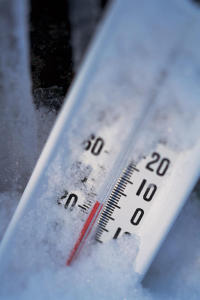
The temperatures have continued to fall and the cold weather is here to stay. It can cause havoc for anyone, but particularly for older adults.
Older adults can lose their body heat more quickly than when they were young. Feeling cold and getting a chill can make anyone sick, but it can turn into a dangerous problem for an older person before they know what is happening.
Find out what's happening in Frankfortfor free with the latest updates from Patch.
Doctors call this problem hypothermia. When the body temperature gets too low, colder than 95 degrees in an older adult, it can cause health problems, such as heart attack, kidney problems, liver damage, or worse.
Hypothermia can be caused by being outside in the cold or even being in a very cold home. For some, an illness may make it harder for your body to stay warm. Some medicines and not being as active can also affect body heat. However, there are many steps that can be taken to lower the risk.
Find out what's happening in Frankfortfor free with the latest updates from Patch.
Keep Warm Inside:
- Keep warm in your home by setting your heat at 68 degrees or higher. Save on heating bills by closing off rooms not being used.
- Wear long johns under clothes. Throw a blanket over your legs. Wear socks and slippers.
- When sleeping, wear long johns under your pajamas and use extra covers. Wear a cap or hat.
- Have friends and family check in on older adults during the cold weather.
Bundle up on Windy, Cool Days:
- Dress for the weather if you have to go out on chilly, cold, or damp days.
- Wear loose layers of clothing, the air between the layers help to keep you warm.
- Put on a hat and scarf, which will allow you to keep a lot of the body heat that would escape from an uncovered head and neck.
- Wear a waterproof coat or jacket if it is snowing.
It can be difficult to know right away if someone has hypothermia. If you are suspicious that this might be the case look for clues—is the house cold, are they dressed for the weather, is the person speaking normal or are they having trouble keeping their balance? There are many signs to look for in the beginning stages, as well as the later stages of hypothermia.
Early Signs of Hypothermia:
- Cold feet and hands
- Puffy or swollen face
- Pale skin
- Shivering (in some cases a person with hypothermia will not shiver)
- Slower than normal speech or slurring words
- Acting sleepy
- Being angry and confused
Later Signs of Hypothermia:
- Moving slowly, trouble walking, or being clumsy
- Stiff and jerky arm or leg movements
- Slow heartbeat
- Slow, shallow breathing
- Blacking out or losing consciousness
Call 911 immediately if you think you or someone you know has hypothermia. After you call 911, wrap the person in a warm blanket, do not put them into a warm bath, use a heating pad or rub the person’s legs or arms.
Some additional things one can do for avoiding the risk of hypothermia include: staying out of the wind and cold for long periods of time, finding safe ways to stay active even when it is cold outside, talking to your doctor about health problems that may make it harder for you to keep warm, and asking a friend or neighbor to check on you if you live alone.
For additional information on hypothermia and older adults contact the National Institute on Aging at 800-222-2225. You many also contact the New Lenox Fire Protection District at 815-463-4500 or visit their website.
Get more local news delivered straight to your inbox. Sign up for free Patch newsletters and alerts.