Politics & Government
Power to the People: What Electricity Aggregation Could Mean to Frankfort
Could the village team up with a county agency to negotiate cheaper electricity prices? It's a possibility, and Patch explains what that could entail.


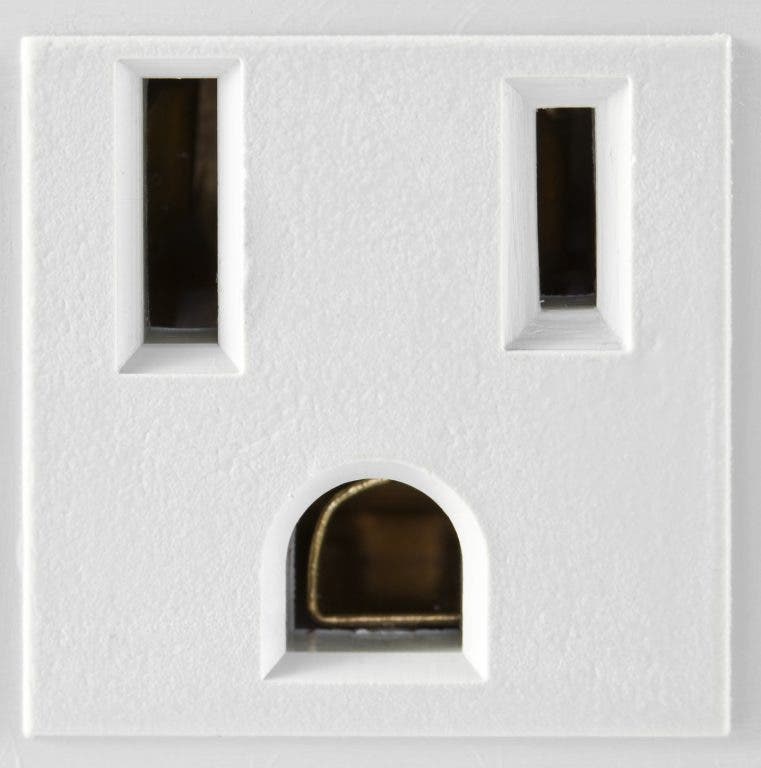
When meets Wednesday night, members will be discussing a potential plan that could net residents a cheaper deal on their electric bills.
This meeting marks the village's first step in exploring the possibility of joining other Will County municipalities to collectively negotiate electric rates, a program known as electricity aggregation.
To get a better idea of what this might mean to Frankfort residents, Patch breaks down what's involved in electricity aggregation and how a similar village has dealt with it.
Find out what's happening in Frankfortfor free with the latest updates from Patch.
How is electricity aggregation possible?
Illinois deregulated the generation of electrical power in the mid-'90s, letting residents and businesses move from ComEd to lower-cost suppliers. Last year, Gov. Pat Quinn signed into law HB 722, which gave municipalities the power to negotiate cheaper electric rates on behalf of its residents.
In order for communities to pursue this route, voters must pass a referendum allowing it. Even if aggregation is passed, residents still can opt out of this negotiation and buy electricity on their own.
Find out what's happening in Frankfortfor free with the latest updates from Patch.
Why are Frankfort officials considering this now?
Last month, the Will County Governmental League, a nonprofit organization that represents county governments in regional issues, agreed to pursue aggregation for its members, and .
If Frankfort voters pass an aggregation referendum, the league, representing the county governments opting in on the program, would do the bargaining with electricity providers for better rates. The idea is that there is strength in numbers, and the league can negotiate a better deal than individual communities or residents.
Are other communities doing this?
The subject of electricity aggregation is nothing new to the south suburbs and even the Lincoln-Way area. , and .
After he and village officials researched the idea, New Lenox Mayor Tim Baldermann said electricity aggregation was a no-lose proposition. If the village couldn't find a better deal, it could still stick with ComEd. And residents who wanted to buy their power on their own could still opt out.
"The resident has to do nothing unless they were senior citizen and they got a bigger savings," Baldermann said. "And if you wanted to buy your own electricity, you would opt out."
This summer, New Lenox worked out a two-year deal for a 25-percent savings on its residents's electric bills by negotiating with Direct Energy. That utility will provide the village with electricity, and ComEd will deliver it, as well as being responsible for billing residents. The switch-over started this month and will be reflected in October bills.
What has been the reaction to the switch?
"A lot of people are really happy about it, getting a 25-percent savings," said Ron Sly, New Lenox public works superintendent. "They're happy with that end of that."
The end some residents have objected to, however, is "big government" choosing their electric company, Baldermann said.
"The part that people don't realize is that the government does that for you already," Sly said, explaining that the Illinois Power Agency, a state office, already negotiates prices and buys electricity for Illinois. "Basically, you have a government agency doing the same thing."
So far, only 3 percent of New Lenox's residents have opted out of the aggregation plan, Baldermann said.
"The truth is is that government is supposed to look out for its residents," he said. "Big government didn't step in. The majority of the people in town wanted to do it."
What problems did New Lenox encounter with electricity aggregation?
"All in all, it went relatively well," Sly said.
One snafu the village ran into was tracking which customers were in New Lenox and which weren't.
"ComEd didn't have 2,000 accounts as village customers," Sly said. "Those people didn't get included in the first go-around, but that's being rectified as we speak."
"If we didn't have the issues with the accounts, things would've been much smoother," he added.
Probably the biggest issue officials experienced came from residents pleading ignorance to the whole idea of electricity aggregation and being surprised when it happened, Baldermann said. Throughout the process, the village ran extensive communitiy outreach efforts, including public hearings, direct mailings and informational programs on cable TV.
"No matter how many times you're in the newspaper, no matter how many letters you send out, people are not engaged, they're not following what you're doing," Baldermann said. "People are busy in their lives, but you can only do so much."
What advice would New Lenox officials give Frankfort if it goes forward with aggregation?
Baldermann said he's already consulted with Mayor Holland and members of the Will County Governmental League about aggregation, offering up his firsthand experience.
The biggest piece of advice Baldermann and Sly would give any community looking at electricity aggregation can be summed up in two words: Good communication.
Information letters that go out to residents explaining a possible referendum should be distinctive, Sly said. And if aggregation passes, setting up a local call center to answer residents's questions would be helpful, he added.
Ultimately, there's no such thing as too much communication when it comes to a possible change in what people pay on their electric bills.
"The one thing I stress to every community is really, really, realy stress to your residents what this is all about," Baldermann said. "The biggest problems come from a lack of undersatnding. There are very few win-win situations in life, and this one of them."
Get more local news delivered straight to your inbox. Sign up for free Patch newsletters and alerts.