Politics & Government
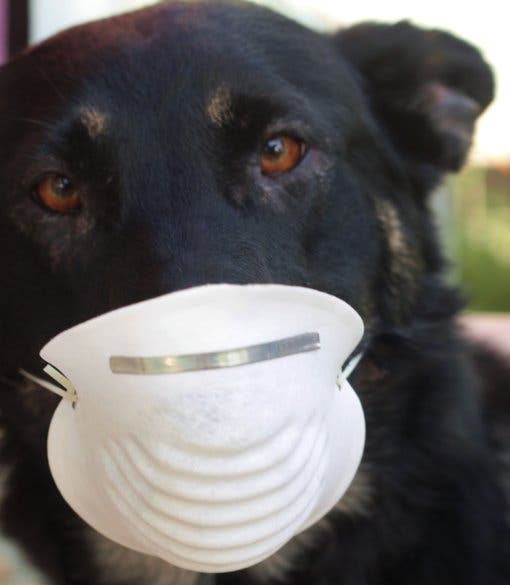
Will County Animal Control Urges Protection against Dog Flu
Frequent hand washing, avoidance of dogs socializing helpful in preventing spread of flu.


—from Will County Animal Control
There are no confirmed cases of canine infectious respiratory disease in Will County, but a continuing Chicagoland outbreak has Will County Animal Control on the alert for dog flu.
There have been more than 1,100 confirmed dog flu cases reported from greater Chicagoland and at least six fatalities have been reported. At least 300 additional cases have been confirmed from Indiana, Wisconsin, and Ohio. Will County AnimalControl administrator Lee Schild D.V.M. urges precautions to help area dog owners protect their pets.
Find out what's happening in Frankfortfor free with the latest updates from Patch.
“This is a significant outbreak caused by a virus of Asian lineage,” Schild said. “Dog flu is common in the U.S., but this is a strain we haven’t seen before. Until the outbreak shows signs of subsiding, it would be prudent to avoid dog parks and keep dogs separated as much as possible.
“Your dog is much less likely to acquire a virus if it doesn’t come in contact with other dogs,” Schild added. “You might also want to consider postponing grooming for a while and I would say that now is not the best time to board your dog.”
Find out what's happening in Frankfortfor free with the latest updates from Patch.
The Chicagoland outbreak is thought to be caused by a virus closely related to Asian strains of H3N2 viruses currently widespread in southern China and South Korea. Cases began surfacing in Chicago during January and have been increasing rapidly since Easter.
At least four suspect dog flu cases have been reported in Will County, but additional testing ruled out the H3N2 virus strain. At least two of the four suspect local cases were linked to dog care facilities.
There is a vaccine available for the H3N8 dog flu virus which has been circulating throughout portions of North America since 2004. However, there is no vaccine formulated specifically to combat the new H3N2 strain. It isn’t known whether the H3N8 vaccine will offer any protection against the H3N2 virus.
The H3N2 virus can cause a lingering cough, lethargic behavior, poor appetite, and fever. There is no evidence linking the virus to human transmission, but a person who has been in contact with a dog carrying the virus may inadvertently spread it to another dog. As always, frequent hand washing will reduce the potential for disease transmission.
Persons with questions concerning the dog flu should consult a veterinarian.
See also:
Get more local news delivered straight to your inbox. Sign up for free Patch newsletters and alerts.