Health & Fitness
Talking to Children About the Boston Marathon Bombings
How can parents convey understanding of such a frightening, unthinkable and unimaginable tragedy to children when we grasp with our own shock, disbelief, and sadness?
Who would ever imagine that as thousands of bystanders were cheering the runners of the Boston Marathon on a beautiful afternoon, two bombs would explode at the finish line? Again, our sense of security is shaken.
At the early stages of the investigation, there are more questions than answers. Was this a domestic or foreign terrorist attack? Why and how did this happen? How can parents convey understanding of such a frightening and unsettling event to children when we grasp with our own shock, disbelief, and sadness.
Did your kids come home from school knowing about the tragic event? Have they been exposed to the graphic images and descriptions that have been extensively and repeatedly shown on 24/7 news? Do they know that an eight-year child died in the explosion? How are your children feeling about it? Children’s chronological age, their social-emotional maturity, and their physical and emotional proximity to the event greatly impact their reactions and emotional response. Some children may not want to talk about it where others many feel scared, anxious, worried, and confused.
Find out what's happening in Glenviewfor free with the latest updates from Patch.
Our anxiety often increases when there is a connection to the tragedy. Do you have family and/or friends who live in Boston? Do you know people who traveled to Boston for the marathon? Are you a marathon runner?
As difficult as it is, it is important to create an opportunity to talk to your children about the unimaginable and unthinkable tragedy. It is much better that your children hear the facts from you rather than hear kids talking about it at school or on the school bus.
Find out what's happening in Glenviewfor free with the latest updates from Patch.
- Explain what has happened in a very clear and factual way. Don’t over explain. Younger children will get overwhelmed with details.
- What do your children want to know? Encourage your children to ask questions, which you should answer honestly with words they will understand. At this point, we don’t have answers to the questions, “Why did this happen?” Who wanted to kill and hurt people.”
- Encourage your children to express how they are feeling. Validate and convey an understanding of their feelings. Many children find it helpful to draw or write about how they are feeling. Sharing your feelings will often encourage your children to share theirs.
- More than one conversation will likely be necessary, as this tragedy continues to unfold.
- Monitor and/or limit television of these graphic images. Very young children who see the videos repeatedly may think the explosions are actually happening over and over again.
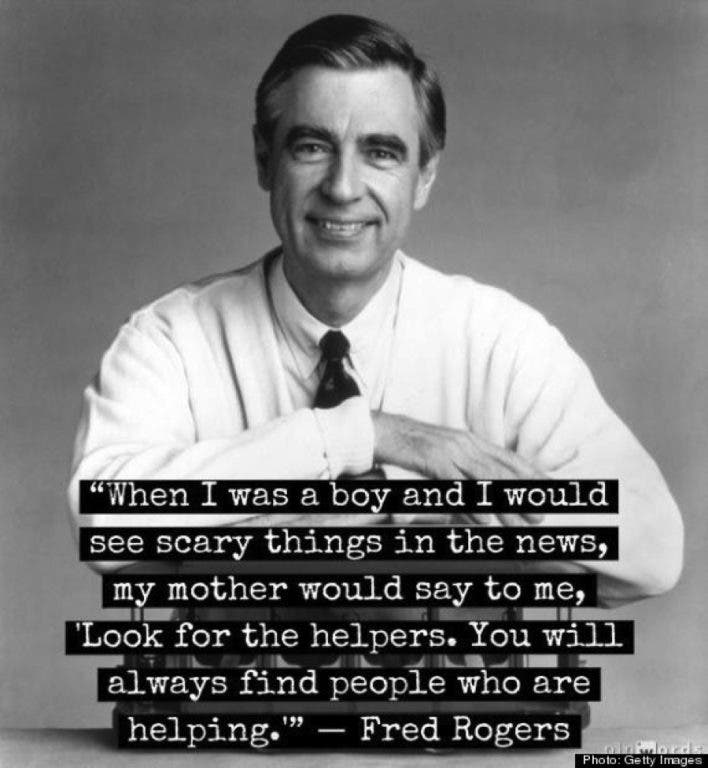
As we mourn for those who died and pray for the many adults and children who are injured, let us celebrate the first responders, medical personnel on the scene and in the hospitals, and the bystanders who helped save lives. Yes, there are people in the world who do very bad things, but there are many more people who can positively have a significant impact on others. As Mr. Rogers once said, “When I was a boy and I would see scary things in the news, my mother would say to me, ‘Look for the helpers. You will always find people who are helping.”
What have been your children’s reactions? What have you found helpful in your talks about the marathon bombings?
Judy S. Freedman, M.S.W., L.C.S.W.
School Social Worker