Schools
Central, South Students 'Very Different': Petition
A South student criticized a petition read by three Central residents.


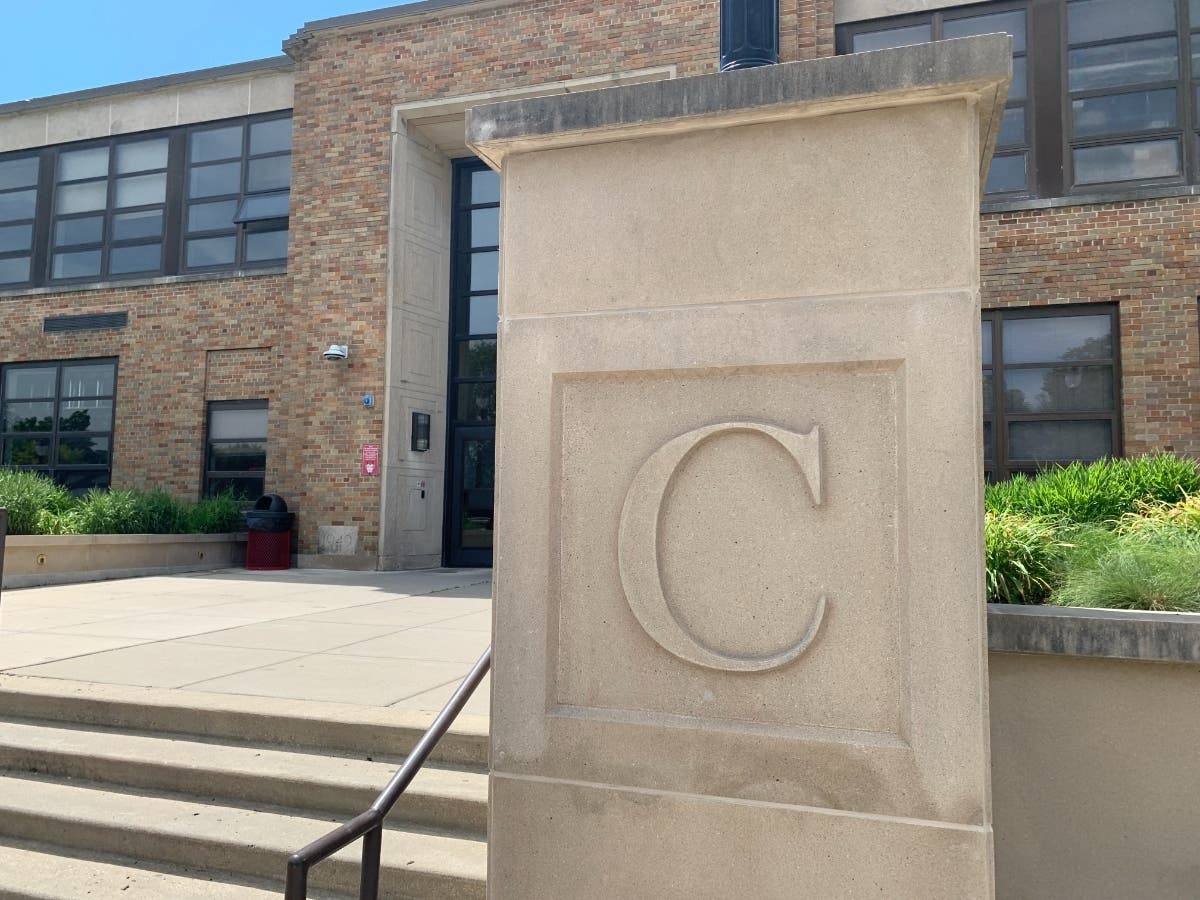
HINSDALE, IL – A Hinsdale South High School student last week denounced a petition read by three Hinsdale Central residents at a recent school board meeting.
In late October, residents Sinead Duffy, Andrew Catton and Kim Notaro read what they said was a petition by Hinsdale Central students and collaborated on with their South counterparts.
The petition criticized a proposal to change the social studies curriculum at the two schools. Such revisions are part of the long-term goal to align the two schools' courses.
Find out what's happening in Hinsdale-Clarendon Hillsfor free with the latest updates from Patch.
South's enrollment is half Central's, and its percentage of low-income students is far greater. At the same time, South's course selection is considerably less than Central, long a point of contention.
At the October meeting, Duffy, a Hinsdale School District 181 board member, read a portion of the petition about South's smaller staff. If South provided as many courses as Central, that would result in overworking South's staff, she said.
Find out what's happening in Hinsdale-Clarendon Hillsfor free with the latest updates from Patch.
"The staff, students and administration at Central are very different from South," Duffy said. "Trying to completely align the Hinsdale South and Hinsdale Central curriculum is not the right way to aim for it, as each campus is very different with student bodies who have very different needs."
At Thursday's board meeting, South junior Adolph Galinski called the petition's comments "divisive."
"How are the students, staff and administration different between Hinsdale Central and Hinsdale South?" he said. "What could that possibly mean? Is 'different' code for not my race, not my class, not my socioeconomic status, not from my neighborhood?"
He described himself as shocked that the speakers labeled South as different and that they suggested South students don't deserve the same opportunities as those at Central.
"There is no difference or needs at Hinsdale Central to fund student opportunities at Hinsdale Central while denying those opportunities at Hinsdale South," Galinski said. "Offering equal opportunities at both schools is fair."
Duffy and Catton were among the recent applicants for an open position on the District 86 board.
In October, Notaro, who has long attended board meetings, warned about the influence of South on Central.
Notaro said the rate of 4's and 5's on AP tests in social studies at Central is more than twice that of South. In science, the pass rate on AP exams is five times South's, she said.
"Yet we sit here and we listen, and we're bringing what South teaches to this school," Notaro said. "Are we to expect our proficiency scores and our scores on AP to go down?"
State data shows that students at schools in wealthier towns nearly always do better on tests than their less wealthy counterparts.
Hinsdale South is 27 percent low-income, considerably more than Central's 7 percent.
At South, African Americans and Hispanics each make up 17 percent of the student body. Asians make up 9 percent.
At Central, 2 percent of students are African American, 9 percent Hispanic and 22 percent Asian.
Four of the six board members live in the Central zone, with one vacancy remaining. Until recently, six of the seven members hailed from Central's area.
Get more local news delivered straight to your inbox. Sign up for free Patch newsletters and alerts.