Community Corner
Coyote Sightings Increase In Winter: Forest Preserve
Coyote sightings may increase between now and February as young leave their parents in search of mates and territories to call their own.


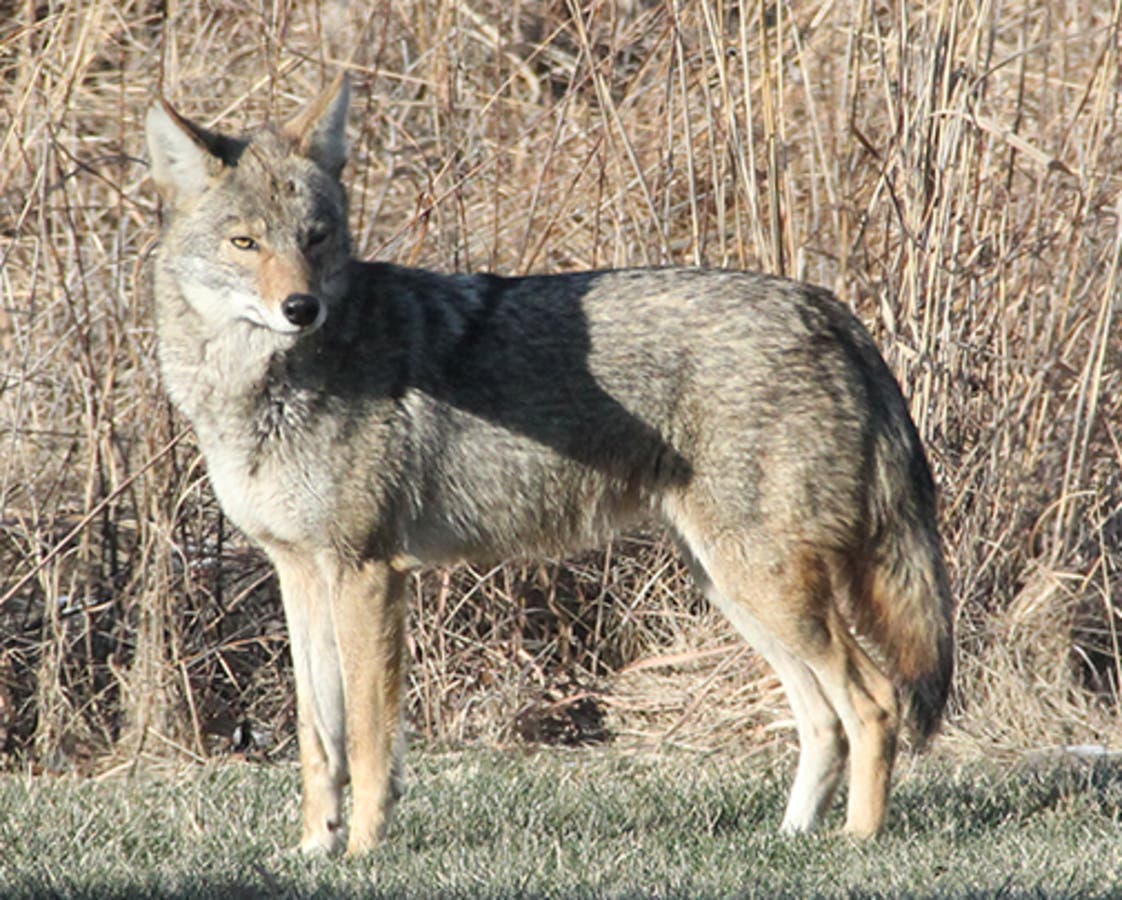
DUPAGE COUNTY, IL — The Forest Preserve District of DuPage County reminds DuPage County residents that coyote sightings may increase between now and February as young leave their parents in search of mates and territories to call their own.
“Young coyotes are looking for a place to call home, yet most areas are already occupied. This forces them to move around quite a bit looking for an unoccupied area,” District ecologist Dan Thompson said in a release. “As a result, sightings tend to increase at this time of year.”
The forest preserve said people may also see coyotes more frequently in winter because there’s less vegetation, giving them fewer places to hide, and more snow, making animals easier to spot. A rise in sightings doesn’t necessarily mean a rise in the county’s coyote population, though.
Find out what's happening in Hinsdale-Clarendon Hillsfor free with the latest updates from Patch.
For people with pets, there are additional recommendations.
“Follow forest preserve regulations and keep your pets leashed when you’re in a preserve,” Thompson said in a release. “It’s smart to stay with your dog and keep it on a leash in your backyard, too. It’s uncommon, but coyotes can target dogs, not necessarily for food but to eliminate animals they think are competing for their territory. Dogs that bark at other dogs seem to elicit this kind of response the most. Owners of dogs that behave this way need to be aware that their dogs are challenging coyotes or other dogs to a fight. This will put their dogs at a higher risk of a confrontation, especially smaller breeds.”
Find out what's happening in Hinsdale-Clarendon Hillsfor free with the latest updates from Patch.
Thomas also recommended keeping yards clean. A hungry coyote is going to be more interested in unsecured garbage cans, pet food, open compost piles, and bird feeders or fallen fruit under trees and shrubs, he said.
“Coyotes are able to learn and adapt quickly to changes in their environment,” Stephanie Touzalin, a naturalist at the District’s Willowbrook Wildlife Center in Glen Ellyn, said in a release. “They’ve found urban areas offer adequate shelter and more food than rural farmlands ever did. So they’re very common in our area.”
The forest preserve said coyotes are also an important component of the ecological community.
“Coyotes are a permanent fixture in Illinois’ rural, suburban and urban areas,” Forest Preserve District of DuPage County President Joe Cantore saidn in a release . “Coyotes living and thriving in an urban area is a positive sign of the health and biodiversity of an area. Their presence should be seen as proof of the quality of an area’s ecology.”
Visit dupageforest.org for more information about coyotes and living with coyotes.
Photo provided by Forest Preserve District of DuPage County.
Get more local news delivered straight to your inbox. Sign up for free Patch newsletters and alerts.