Schools
D-86 Anti-Racist Records May Be Kept Secret: State
The Hinsdale-based district prevailed over Patch and two of its own board members.


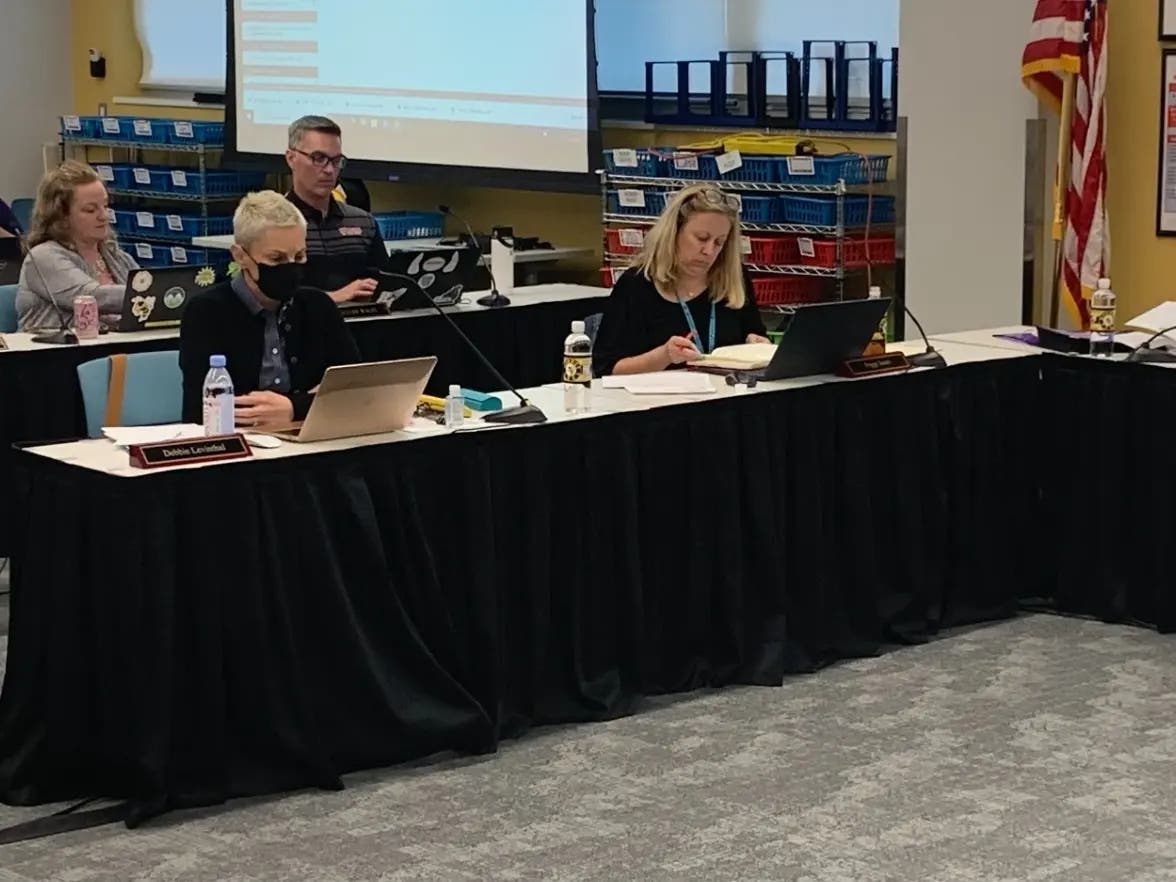
HINSDALE, IL – Hinsdale High School District 86 acted properly when it chose to keep secret messages among the superintendent and school board members, the state attorney general's office said Friday.
In a letter, the office sided with the district over Patch, a resident and two of the district's own board members.
The communications in question were after the board's approval of a $52,000 contract with anti-racist consultants last summer. The consultants, who were to provide training for school employees, resigned after a controversial tweet about police.
Find out what's happening in Hinsdale-Clarendon Hillsfor free with the latest updates from Patch.
Before voting to terminate the contract, members communicated with each other about it. They also apparently discussed a nearly $70,000 agreement with the same consultants a year before, which never went before the board for a vote.
The district said all such messages were "predecisional," meaning they were about pending business. The state's open records law allows public bodies to keep such communications secret, as long as they do not involve a quorum of a board. This allows officials to frankly discuss matters to make informed decisions.
Find out what's happening in Hinsdale-Clarendon Hillsfor free with the latest updates from Patch.
In this case, Patch and the others sought communications from September 2021 that were about the older contract, which was signed a year before and expired months earlier.
The argument was that those messages could not be considered pre-decisional because the decision was made long ago.
But Joshua Jones, deputy chief of the attorney general's Public Access Bureau, said the emails in question "inextricably intertwined" information about the old contract with current business.
It also said the board's messages after the Sept. 16 decision to terminate the contract with Saxman Consulting and Anew Collective Consulting could be kept secret.
"It is evident from the e-mails at issue that Board members were deliberating about why things transpired the way they did with the first Saxman/Anew contract, if/how the board should revise its contracting policies, and how the superintendent performed her public duties," Jones wrote.
In one instance, though, Jones said the district should have released a document – a Sept. 10 email from Superintendent Tammy Prentiss. The email was largely factual, with limited parts about how policies were formulated that could be blacked out, he said.
Patch, resident Yvonne Mayer and board members Peggy James and Debbie Levinthal filed complaints with the attorney general about the district's decision to keep the communications secret.
James and Levinthal, who apparently wrote some of the messages, have said publicly that they have no problem with their release.
No law bars the board members themselves from disclosing the emails. The board members and their attorney, Matt Topic, could not be reached for comment Monday morning.
The district has not indicated whether it would release Prentiss' email, as the attorney general advised. A message was left with the district's spokesman Friday.
Last August, the board voted 5-2 for a contract with Anew and Saxman to provide equity and anti-racist training to staff, with members James and Jeff Waters dissenting.
Then a tweet surfaced from one of the consultants, Christine Saxman, that was seen as anti-police. A local uproar followed, which is when board members emailed each other about the contract.
In an email in January to Patch, Topic said the district told his clients that individual board members should not release the records in question because they are not the "head of the public body."
"While we disagree with that, we intend to force the District to comply with its FOIA obligations as these records do not qualify for the deliberative process exemption," Topic said. "Hopefully, the District will stop wasting taxpayer dollars fighting to keep information secret in defiance of the law and contrary to principles of good and transparent government."
Get more local news delivered straight to your inbox. Sign up for free Patch newsletters and alerts.