Neighbor News
Ingalls Behavioral Health Expert Discusses Suicide and Suicide Prevention
Research shows that most people who die by suicide don't want to die; they just want to stop hurting.
The World Health Organization estimates that nearly one million people across the globe die each year from suicide. In the United States alone, more than 40,000 people took their own lives in 2013.
To those who aren’t in the throes of suicidal depression or despair, it’s difficult to understand what drives so many people to take their own lives, but a suicidal person is in so much pain that he or she can’t see any other option.
Ingalls Behavioral Health Services recently hosted a record crowd at its suicide prevention workshop in October, presented by Synergy Behavioral Health.
Find out what's happening in Homewood-Flossmoorfor free with the latest updates from Patch.
During the very well-received presentation, Synergy shared some sobering statistics:
Males are four times more likely to take their own lives than females, and white males have the highest rate at 14.2 percent of all suicides annually; overall, suicide is the 10th-leading cause of death in the United States and the second-leading cause of death among people ages 10 to 24 years of age. What’s more, four out of five teens that attempt suicide give warning signs.
Find out what's happening in Homewood-Flossmoorfor free with the latest updates from Patch.
While there is no single cause of suicide, several factors can increase a person’s risk for attempting or dying by suicide. These include:
• Previous suicide attempt(s)
• History of depression or other mental illness
• Alcohol or drug abuse
• Family history of suicide or violence
• Physical illness
• Feeling alone
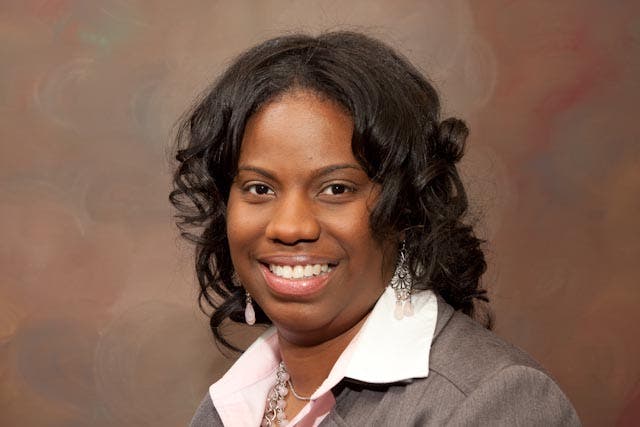
“A suicidal person may not ask for help, but that doesn’t mean help isn’t wanted. There is such of stigma attached to suicide and asking for help. Many people would rather suffer silently. Suicide is the silent killer,” explains Felicia Houston, M.A., LCPC, licensed clinical professional counselor at Ingalls Behavioral Health Services.
In fact, research shows that most people who die by suicide don’t want to die; they just want to stop hurting. Suicide prevention starts with recognizing the warning signs and taking them seriously.
Any of the following could be potential warning signs for suicide:
• Excessive sadness or moodiness
• Hopelessness
• Sleep problems
• Sudden calmness, which may be a sign that the person has made a decision to end his or her life
• Withdrawal from friends or social activities
• A loss of interest in activities the person previously enjoyed
• Changes in personality and/or appearance
• Dangerous or self-harmful behavior such as reckless driving, engaging in unsafe sex and increased use of drugs or alcohol
• Recent trauma or crisis, such as the loss of a loved one or pet, financial problems such as job loss, or diagnosis of a major illness
• Making preparations, such as visiting friends or family members, giving away personal possessions, cleaning up his or her room or home, etc.
• Threatening suicide.
“Up to 75 percent of those considering suicide will give someone such as a friend or relative a warning sign,” Felicia adds, “but not everyone who is considering suicide will say so. Every threat of suicide should be taken seriously.”
People who receive support from caring friends and family and who have access to mental health services are less likely to act on their suicidal impulses than those who are socially isolated.
If someone you know is exhibiting warning signs for suicide, don’t be afraid to ask if he or she is depressed or thinking about suicide; ask if he or she is seeing a therapist or taking medication; reassure them that depression is temporary and treatable; and encourage them to seek professional help. Offer to go with them to seek the professional help.
If you believe someone is in imminent danger of suicide, don’t leave the person alone; call 911 or take the person to the nearest emergency department.
At Ingalls Behavioral Health Services, a trained mental health professional is available 24 hours a day, seven days a week. For more information or immediate assistance, please call 708.915.6411.