Politics & Government
West Nile Virus: Know the Facts
Kane County Health Department informs public about West Nile virus.

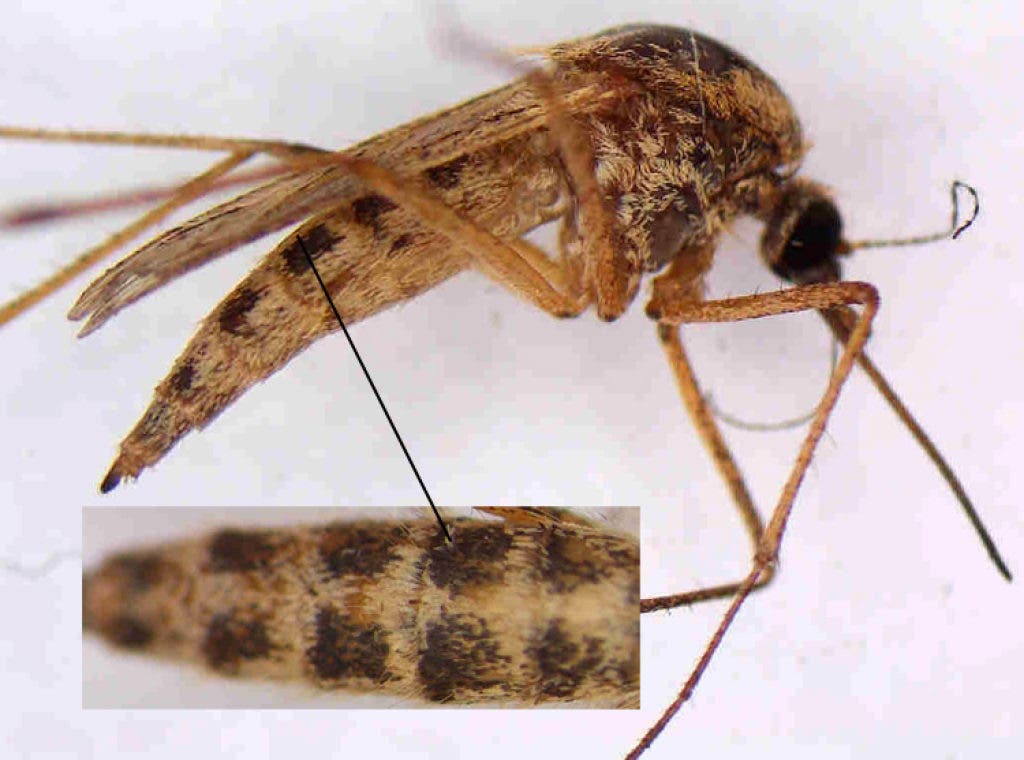

Along with the birds singing, flowers blooming and children playing outdoors, nothing says “Spring” quite like the buzz of that most cursed insect, the mosquito. And when it comes to West Nile disease, it pays to learn what are and what aren’t the risks.
WNV is spread by the bite of an infected mosquito. Mosquitoes become infected when they feed on infected birds. Infected mosquitoes can then spread West Nile Virus (WNV) to humans and other animals when they bite. The Health Department has been actively monitoring WNV activity in Kane County for years. Testing mosquitoes and birds is the best way to identify activity and its location. The results of this monitoring can be found on our Website's West Nile page. We collect data on the number of mosquito “batches,” birds and people who test positive for the illness.
Find out what's happening in Huntleyfor free with the latest updates from Patch.
It is important to know that the floodwater mosquito, also known as the nuisance mosquito, is not likely to inflict anything more serious than aggravation. As its name implies, their eggs require high water levels to hatch. They are common after the spring rains. They may be aggravating, keeping you from doing what you like to do, but you won’t catch West Nile Virus from its bite.
It is the Culex—more specifically, the female Culex—mosquito that is known to carry the virus. It behaves in virtually the opposite manner as its larger, more annoying cousin. Unlike the floodwater variety, the Culex needs long periods of dry, hot weather to breed. In fact, strong summer downpours can often serve to wash away Culex eggs. The Culex is smaller and its bite often goes unnoticed.
Find out what's happening in Huntleyfor free with the latest updates from Patch.
The Health Department’s Environmental Health staff has set up 10 mosquito traps throughout the countymosquito trap (to see a map of their locations, please visit our Website West Nile page). The traps contain a substance especially attractive to mosquitoes (but is not very pleasant for people). Twice a week, the traps are collected, their contents, or batches, sorted and tested.
As the Culex has a fly radius of only one or two miles, a positive result is an indicator that WNV is present. The Health Department collects dead birds that are sent to the state lab for testing. A few species of birds are susceptible to WNV, particularly crows, blue jays and robins. To be able to be tested effectively, the birds must be fresh and in good condition, as if it appears that it just dropped where it was found.
To report a dead bird or if you have any questions, please call the Environmental Health section at 630-444-3040.
Approximately 80 percent of people (about 4 out of 5) who are infected with WNV will not show any symptoms at all. Up to 20 percent of the people who become infected have symptoms such as fever, headache, and body aches, nausea, vomiting, and sometimes swollen lymph glands or a skin rash on the chest, stomach and back. Symptoms can last for as short as a few days, though even healthy people have become sick for several weeks.
However, a few people can develop serious symptoms. About one in 150 people infected with WNV will develop severe illness. The severe symptoms can include high fever, headache, neck stiffness, stupor, disorientation, coma, tremors, convulsions, muscle weakness, vision loss, numbness and paralysis. These symptoms may last several weeks, and neurological effects may be permanent and are sometimes fatal.
More information is available on the Health Department’s Website and from the Centers for Disease Control and Prevention.
The easiest and best way to avoid WNV is to prevent mosquito bites:
• When you are outdoors, use insect repellent containing an EPA-registered active ingredient. Follow the directions on the package.
• Many mosquitoes are most active at dusk and dawn. Be sure to use insect repellent and wear long sleeves and pants at these times or consider staying indoors during these hours.
• Make sure you have good screens on your windows and doors to keep mosquitoes out.
• Get rid of mosquito breeding sites by emptying standing water from flower pots, buckets and barrels. Change the water in pet dishes and replace the water in bird baths weekly.
•Drill holes in tire swings so water drains out. Keep children's wading pools empty and on their sides when they aren't being used.
Get more local news delivered straight to your inbox. Sign up for free Patch newsletters and alerts.
