Crime & Safety
Podcast On Joliet's Oldest Murder Mystery Almost Ready
Molly Zelko vanished on September 25, 1957.


JOLIET, IL — It's the biggest murder mystery in Joliet's history, a crime that has been the topic of bar room chatter, family reunions and dinner table conversations for generations here in Will County. What happened to Amelia "Molly" Zelko? On September 25, 1957, the 47-year-old Joliet Spectator part-owner and business manager parked her car on Buell Avenue after putting the newspaper to bed. Some neighbors heard a scream. Authorities found her shoes. But her body was never found.
Her killers were never caught.
Is Molly Zelko's disappearance destined to remain a Joliet cold case forever? Perhaps not.
Find out what's happening in Jolietfor free with the latest updates from Patch.
The 61-year-old mystery will come back to life beginning this fall, thanks to the work of former Joliet Herald-News investigative reporter Lonny Cain and Greg Peerbolte, executive director of the Joliet Area Historical Museum in downtown Joliet. The two have been busy for many months producing a multi-part audio podcast that aims to introduce the Joliet legend to a new generation of true-crime listeners.
Lynne Lichtenauer, a former Spectator reporter who came on board after Zelko's disappearance, and Dennis Enrietta, an independent researcher from Coal City, are also involved in the project and will be featured in the podcasts. The Joliet Public Library has also been invaluable in letting the group use their digital media studio at the downtown branch for production and editing, Peerbolte said.
Find out what's happening in Jolietfor free with the latest updates from Patch.
At the moment, the plan is to unveil eight parts in the Molly Zelko podcast. Each one will be about 30 minutes long. Editing for the first three episodes has been completed, Peerbolte said. The museum wants to launch the podcast series coinciding with the upcoming Zelko anniversary, September 25. It's an ambitious goal, but it's very doable, Peerbolte said.
"With the effect that podcasts have had on cold cases, we just thought it was a perfect medium to tell this story, and the reaction you get when you tell people who aren't familiar with this story, they are just shocked that they don't know about it," Peerbolte said.
"You have the involvement of Robert F. Kennedy (investigating the case), FBI Director J. Edgar Hoover requested weekly updates, and the very likely possible involvement of the Chicago outfit. It's just compelling, and it's a story you can't believe you haven't heard."
The Molly Zelko podcasts will likely be uploaded to the website of either the Joliet Public Library or the museum and will be made easily accessible for the general public, Peerbolte explained.
"We want it produced as well as any of the best podcasts that are out there," Peerbolte added.
In 1978, Cain and late Herald-News columnist John Whiteside spent several months producing a lengthy series re-examining the Zelko mystery. At that time, the unsolved case was 21 years old.
What does Cain, who later became managing editor at The Times in Ottawa and has since retired from the newspaper industry, have to say about the podcast series?
"It's pretty monumental. I think it's going to stir up a lot of interest in the story."
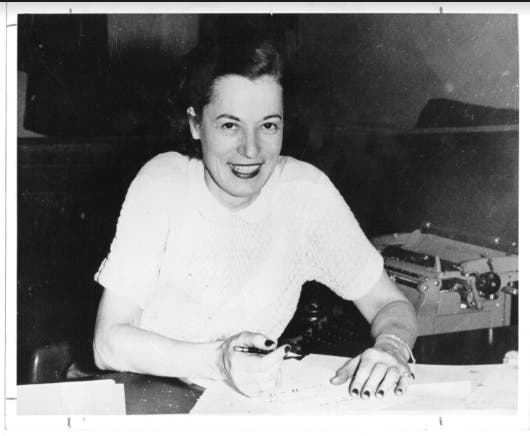
Cain, who is writing a book about the Zelko case, has also been active on social media. He said the Search For Molly Zelko Facebook page has fueled a lot of interest.
"There's a new generation of readers and audiences that are getting into the story," Cain told Joliet Patch last week.
"I personally think she was taken and in the (1978 newspaper) series, we had a witness who was in her twenties (in 1957) who lived on Stryker Avenue," Cain told Patch. "She witnessed a body being buried in a storm sewer on Stryker Avenue. The witness was never identified (in our newspaper stories). She was put under hypnosis ..."
Cain said the woman has since passed away, but he remains in regular contact with her family. He believes her story is credible. The woman did not go to the Joliet Police with her eyewitness account back in 1957, because she feared the police, he said.
Back in the 1950s, Cain said, a number of police officers had suspected connections to area mobsters.
On the night of Zelko's disappearance, the eyewitness had young children and her marriage was on the rocks. She divorced soon afterward. But that night, her husband was out on the town late into night, so she was up waiting for his return. Suddenly, a large black car pulled up along Stryker Avenue as the young woman peered outside into the darkness from her bedroom.
It was somewhere between midnight and 1 a.m. when she saw something disturbing outside, Cain said.
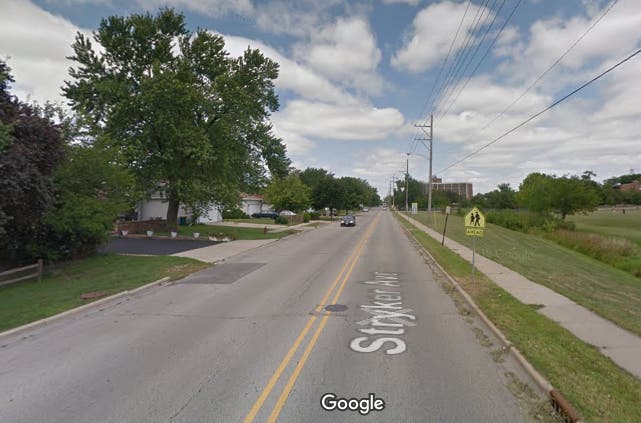
The black car stopped. The woman saw "four guys getting out," Cain said. The men opened the trunk.
They grabbed a rug or tarp-like material.
"A leg flopped out," Cain said.
"She was convinced it was a woman, and it was a body," Cain added.
Early that next day, contractors involved in the ongoing storm sewer project subsequently laid a section of new pipe over the area where the body was reportedly dumped, Cain said.
In 1978, Cain said, as part of the series, the eyewitness was put under hypnosis and asked several questions about what she remembered.
The podcast will get into details of that event, Cain said.
"It's pretty dramatic," he said. "She was a very small woman in a large leather chair ..." At one point during the hypnosis, the woman's hand started pounding against the chair as she was asked about the night in question, Cain said.
The hypnotist was the late Dr. George Honiotos, a long-time, well-known Joliet area physician.
"His expert opinion," Cain said, "was that she lived through a traumatic experience on Sept. 25, 1957."
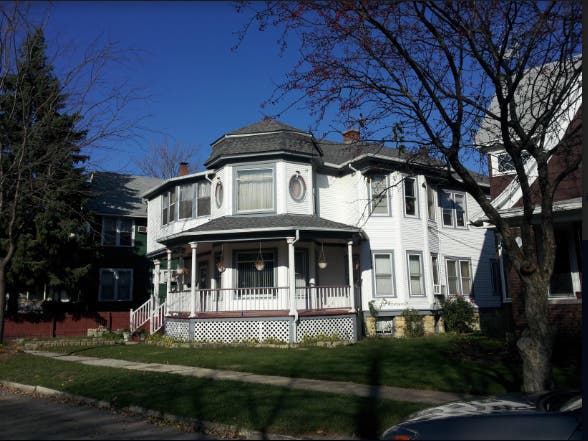
In 1957, Zelko left The Spectator after she put the paper to bed around 11:30 p.m. The house she rented on Buell Avenue wasn't far from her weekly newspaper building.
Cain is convinced she never made it inside the house. The jewelry she was wearing was also not found.
Added Peerbolte, "There was no evidence that she made it into the house or slept in the bed."
The only sign of Zelko was her shoes. They were recovered from the scene of her abduction.
Over the years, there was speculation around Joliet that maybe Zelko faked her disappearance and took on a new identity.
"One theory was that she was in the witness protection program and she took off on her own," Cain said.
But he and Whiteside thoroughly researched that angle and never found any evidence to substantiate that.
Meanwhile, there have been a significant number of theories about where Zelko's body was buried.
Many of those theories were debunked over the decades, Cain said, except for the one that has remained on his mind for years.
Cain believes the most logical scenario is that Zelko remains buried underneath Joliet's Stryker Avenue on the city's west side.
"It's just a nagging question that has bothered me since 1978," Cain said.
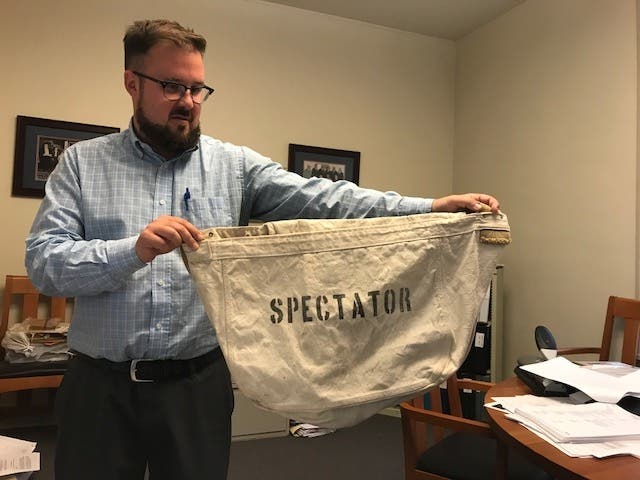
The challenge, at this stage, would be identifying the precise location where her body was put.
Cain went on to say, "My personal belief is that the mob had something to do with it. She was a real pain in the butt. So, the safest bet is that the mob was involved."
Being a longtime newspaperman, Cain is a realist.
We're approaching the 61st anniversary of the disappearance. Identifying the true culprits involved in the abduction, murder and disposal of her body isn't practical, he admits.
"It's been over 60 years," Cain acknowledged. "What I would like to do, in the best case scenario, is find the body."
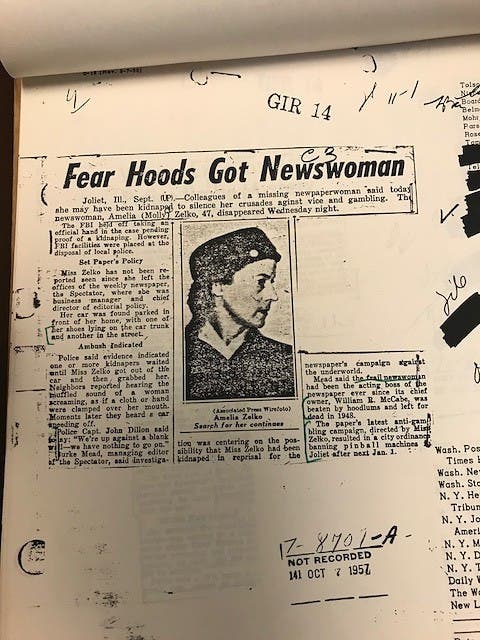
Cain believes there's enough intrigue that perhaps somebody at the Will County State's Attorney's Office and the Joliet Police Department will want to take a renewed interest in her case, especially once they hear the upcoming podcasts.
"I think that there are law enforcement people who have an interest in the mystery. It's pretty fascinating," he said.
"I'm pretty sure she was taken, and she died that night and she's buried somewhere. I still think Stryker Avenue is the best place to look."
More Details Of Molly Zelko's Case: The Charley Project
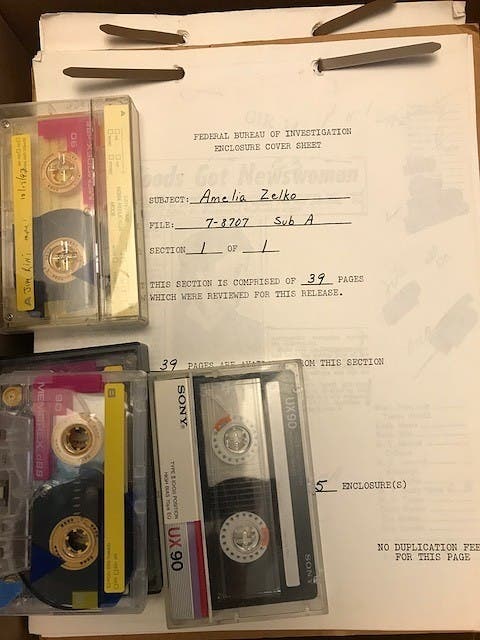
Images with Molly Zelko including her house on Buell Avenue were provided by former newspaper editor Lonny Cain with permission to use. Other images taken by John Ferak/Joliet Patch Editor
Get more local news delivered straight to your inbox. Sign up for free Patch newsletters and alerts.