Health & Fitness
New Lenox Man’s Chronic Heartburn a Sign of Esophageal Cancer and Barrett’s Esophagus
Cancer gone after treatment at Silver Cross Advanced Endoscopy Center.


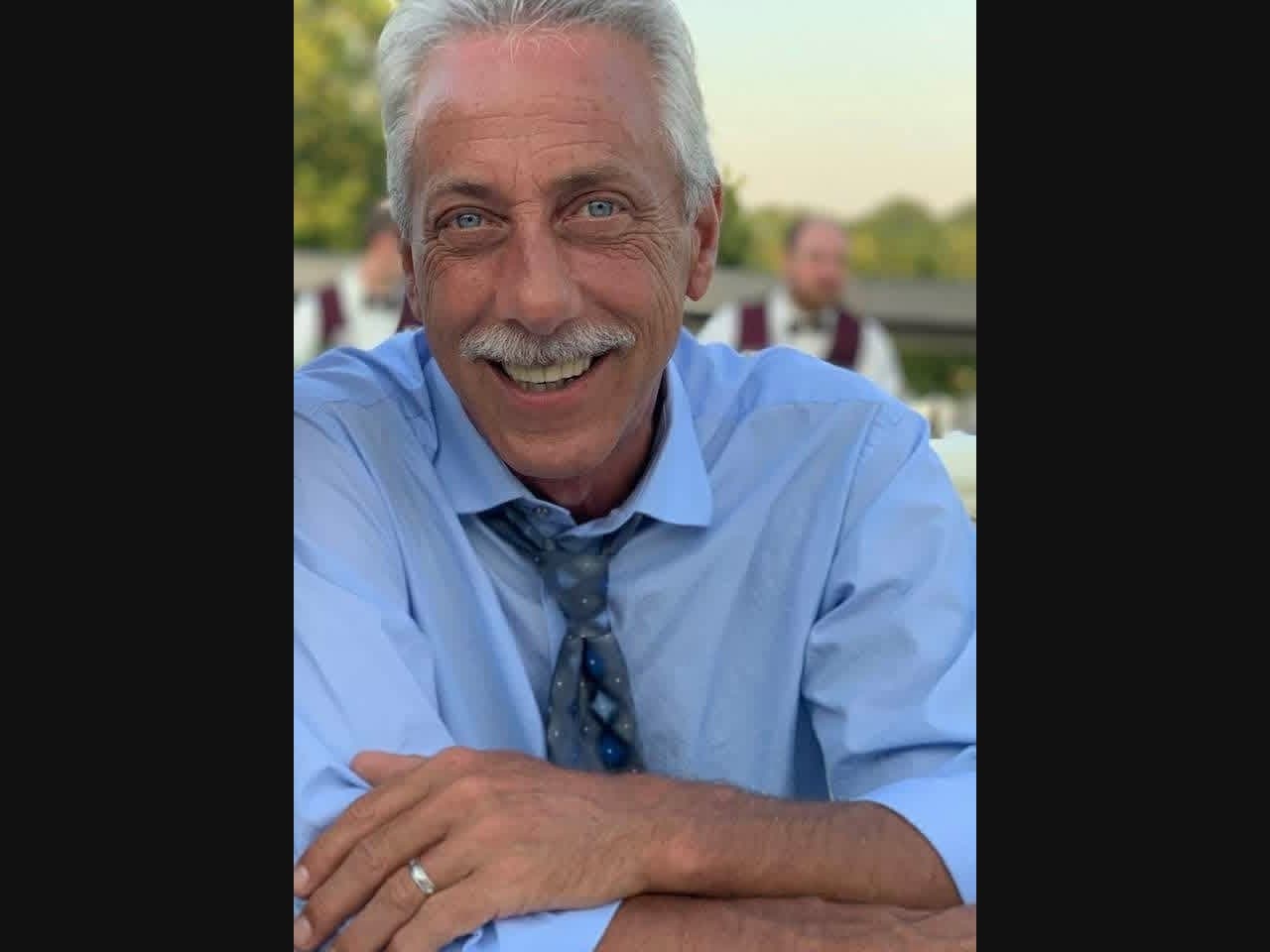
Jim Salerno had chronic heartburn that just wouldn’t go away. His doctor referred him to an expert in digestive diseases to see if there was something more serious going on. There was. While performing an upper endoscopy, Dr. Kamran Ayub, medical director of the Advanced Endoscopy Center at Silver Cross Hospital, suspected the 69-year-old New Lenox man had gastroesophageal reflux disease or GERD and Barrett’s esophagus, a serious complication brought on by chronic heartburn along with years of smoking.
But that wasn't all. Dr. Ayub also found a small nodule in the esophagus that he suspected was carcinoma.
“In Barrett's esophagus, normal tissue lining the esophagus — the tube that carries food from the mouth to the stomach changes to tissue that resembles the lining of the intestine,” explained Dr. Ayub. “About 10 percent of people with chronic symptoms of GERD develop Barrett's esophagus. However, if left untreated, it can lead to esophageal adenocarcinoma, which is a serious, potentially fatal cancer of the esophagus.”
Find out what's happening in Jolietfor free with the latest updates from Patch.
The biopsy confirmed Dr. Ayub’s suspicions. Salerno did indeed have esophageal cancer. In December 2015, Dr. Ayub took Salerno back to Silver Cross Hospital where he removed the cancerous cells from Salerno’s esophagus, performing a special procedure called endoscopic resection.
“Fortunately, we caught it early and I was able to resect the tumor using advanced endoscopy techniques.”
Find out what's happening in Jolietfor free with the latest updates from Patch.
While Salerno was under sedation, Dr. Ayub also treated the Barrett’s esophagus using radiofrequency ablation (RFA) therapy to minimize the risk of the cancer returning in the future. He inserted a device called the HALO System inside a thin flexible tube through Salerno’s mouth into his esophagus. The HALO delivered a controlled level of radiofrequency energy and power to remove a thin layer of diseased tissue. Less than one second of energy removes tissue to a depth of about one millimeter.
“Endoscopic ablation with RFA allows me to provide a controlled amount of heat to the diseased tissue which in turn minimizes any injury to healthy esophagus tissue,” said Dr. Ayub. “Once the tissue is removed, normal healthy tissue grows within three to four weeks.”
Since then, Salerno had two more outpatient endoscopies with biopsy to make sure that the cancer and effects of Barrett’s esophagus has not returned. Today, Salerno remains cancer-free.
More than 20 million Americans experience chronic heartburn or GERD. Of these, between 1 and 2 million develop Barrett's esophagus. Join Dr. Kamran Ayub to learn more about the diagnosis and endoscopic treatments for Barrett’s esophagus as well as heartburn, GERD, and esophageal cancer on Thursday, Nov. 17. This free Heartburn & Barrett’s Esophagus program will be held from 6:30 to 7:30 p.m. in the Silver Cross Hospital Conference Center, 1890 Silver Cross Blvd., New Lenox. Register to attend at silvercross.org.
About Silver Cross Hospital
Silver Cross Hospital is a not-for-profit health care provider serving Will County and southwest suburban communities since 1895. Silver Cross has been recognized as a Truven Health Analytics 100 Top Hospitals National Award winner for seven consecutive years, a Hospital of Choice by the American Alliance of Healthcare Providers and was honored with an “A” Hospital Safety Score by The Leapfrog Group. With over 4,000 employees, physicians and volunteers, Silver Cross operates a 296-bed acute care hospital and 5 satellite facilities providing outpatient services and physician offices. Silver Cross opened a state-of-the-art replacement hospital in 2012 at I-355 and Route 6 in New Lenox.