Kids & Family
Patch's Joseph Hosey Receives National Press Freedom Award
Video: The honor was presented to the Patch editor Wednesday evening by the National Press Club in Washington, D.C.


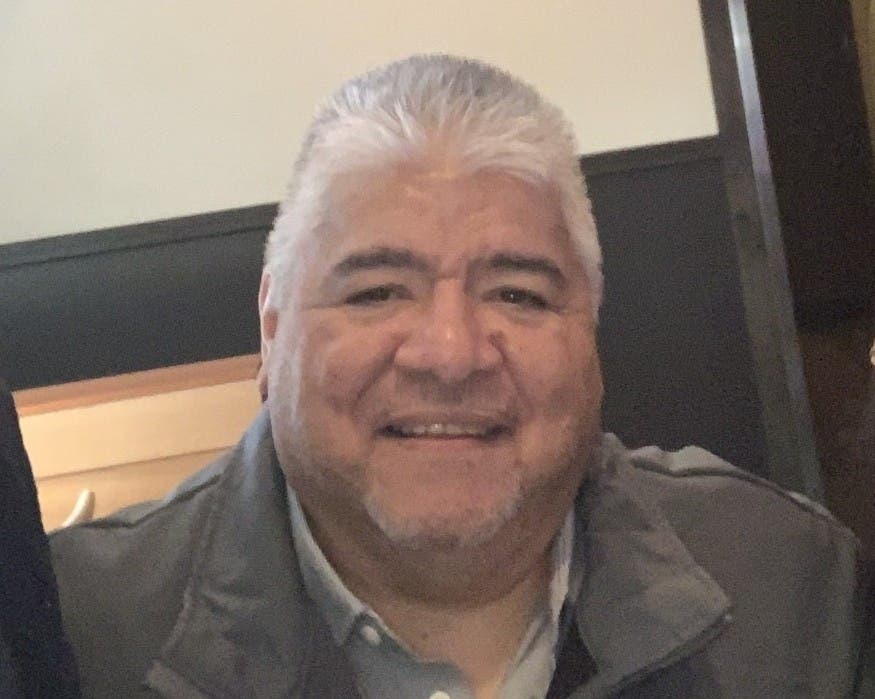
Patch editor Joseph Hosey, facing judicial pressure to disclose the identity of a confidential
source, was presented with the National Press Club’s 2014 John Aubuchon Press Freedom Award Wednesday evening in Washington, D.C.
Each year, the club honors two recipients of the award, one foreign and one domestic, who have demonstrated through their work the principles of press freedom and open government. The award is named after the late John Aubuchon, a former NPC president who championed press freedom.
For 2014, the Club selected Hosey, a Patch.com reporter in the Chicago area, as the U.S. winner. Ahmed Humaidan, a Bahraini freelance photographer, is the foreign winner.
Find out what's happening in Jolietfor free with the latest updates from Patch.
The National Press Club, founded in 1908, is the world’s leading professional organization for journalists.
At issue are murder-case details published online by Hosey from a Joliet Police Department report. Will County Presiding Judge Gerald R. Kinney ordered Hosey to reveal the source of the report. On Sept. 20, after Hosey and his attorney, Kenneth Schmetterer, advised the court that he would not comply, Judge Kinney found Hosey in contempt.
Find out what's happening in Jolietfor free with the latest updates from Patch.
The judge also fined him $1,000, plus $300 a day for every day Hosey does not disclose a source’s name. Patch Media appealed the decision. If Hosey loses the appeal, which is now pending, he faces indefinite jail time if he does not divulge the source. The fines have been stayed while the appeal is ongoing.
Illinois has a shield law meant to protect journalists from having to divulge confidential sources. But it is a qualified shield, not an absolute one. The trial judge found that the identity of the source was relevant, that alternative sources had been exhausted, and that the information was essential to protect the public interest. Much of that finding hinged on the fact that the court made 500 law enforcement officials swear that they were not the source — and thus finding out if one of them was lying was called “relevant” to the proceedings.
A coalition of media organizations, including the National Press Club, found this to be circular logic and filed a friend of the court brief in Hosey’s case. Learning the identity of Hosey’s source would have no bearing on the guilt or innocence of the alleged murderers, but it could adversely affect press freedom, the organizations contended.
“There is no interest here that overrides the public’s right to a free flow of information, and that is predicated to a large degree on the ability of sources to maintain anonymity in divulging important information to the press,” said National Press Club President Myron Belkind. “Hosey is to be commended for courageously standing up for that principle in the face of judicial pressure.”
Media organizations supporting Patch in this effort include the Illinois News Broadcasters Association, The Reporters Committee for Freedom of the Press, which wrote the brief at the INBA’s request, as well as CBS, Fox News, National Public Radio, Gannett Inc., Bloomberg, The Associated Press, The Daily Beast, the Tribune Company and the Washington Post, among others.
At Wednesday night’s awards dinner, Schmetterer was the first person Hosey thanked in his acceptance speech.
“The shield law exists, and the Illinois courts have held, that the shield law exists to protect reporters precisely to prevent reporters from having to divulge confidential sources because it could have a chilling effect on very important work that journalists do,” Schmetterer said in September. “That’s a principle that’s established, recognized by the appellate courts, by the Illinois Supreme Court and by the statute and that’s why we intend to vigorously press forward with our appeal.”
The foreign recipient of the award, Ahmed Humaidan, has been jailed in Bahrain since 2012 and was sentenced in May to 10 more years in jail. Humaidan has told his family and his lawyer that his interrogators subjected him to psychological torture and threatened to kill him.
Humaidan’s ostensible offense was attacking a police station. But, in the view of most independent observers, his only crime was cataloguing in photographs a violent regime crackdown on demonstrators in the country’s more than three years of civil conflict.