Community Corner
Amur Leopard Cubs Born At Brookfield Zoo
The Amur leopard is critically endangered with less than 65 animals left in the wild.


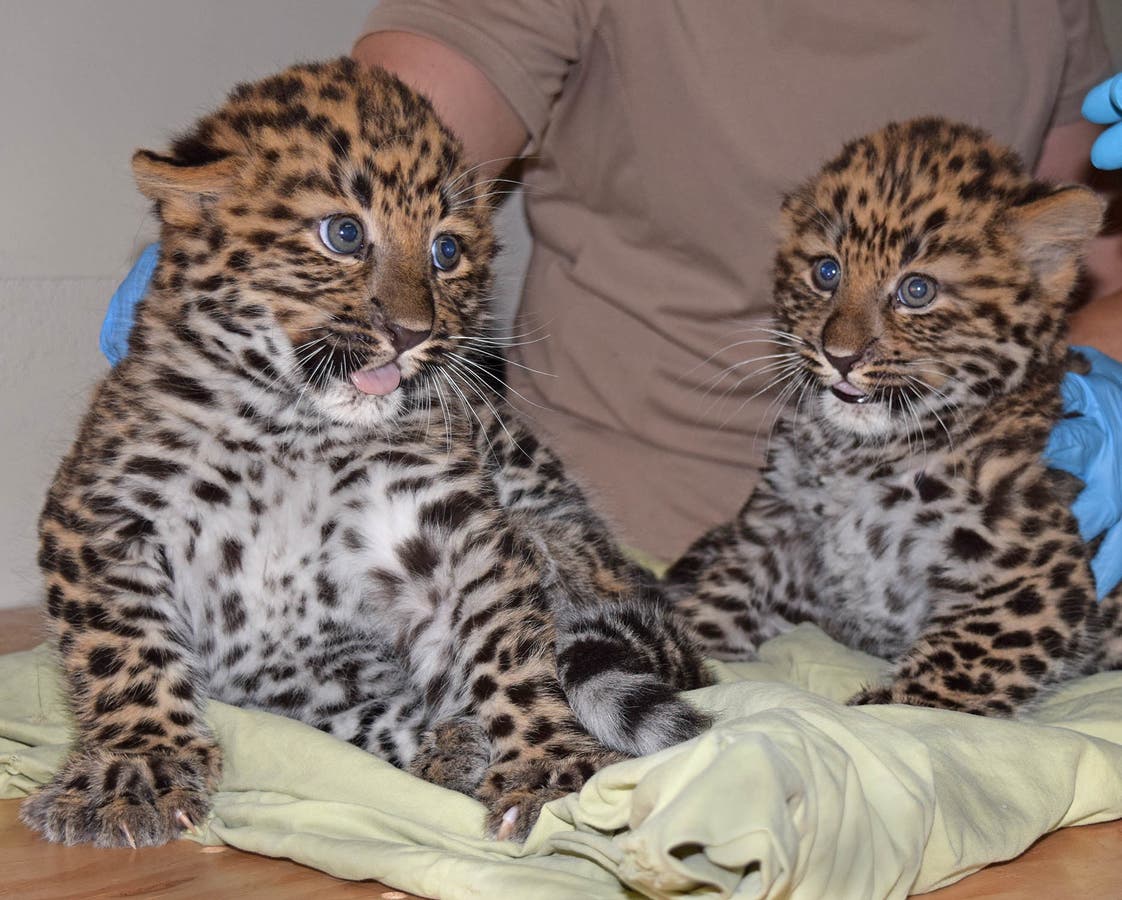

BROOKFIELD, IL – The Chicago Zoological Society, which manages Brookfield Zoo, announced the birth of two male Amur leopard cubs. The zoo said the cubs were born on April 18, and are now 8 and 9 pounds. The 8-week-old cubs are doing well and bonding with their mom, Lisa, behind the scenes. It is anticipated they will be making their public debut to zoo guests in mid-July.
According to the zoo, Lisa, 7, and the sire, Kasha, 8, were introduced back in 2015, and are also the parents of Temur, a 2-year-old male who was recently transferred to another accredited zoo. Both parents were brought to Brookfield Zoo in 2013—Lisa from Saint Louis Zoological Park, and Kasha from Le Parc des Felins in France—as part of the Association of Zoos and Aquariums Amur Leopard Species Survival Plan.
Find out what's happening in La Grangefor free with the latest updates from Patch.
The zoo said the Amur leopard is critically endangered with less than 65 animals left in the wild. To help the species, in 2013, an Amur Leopard Global Species Management Plan was convened under the World Association of Zoos and Aquariums. The GSMP involves several regional zoo associations: the Association of Zoos and Aquariums in North America, the European Association of Zoos and Aquaria, the Japanese Association of Zoos and Aquariums, and the Eurasian Regional Association of Zoos and Aquariums.
Currently, there are 82 Amur leopards in 42 accredited North American zoos. The work that Brookfield Zoo is doing and the successful birth of these two new cubs marks a crucial addition to the species population, the zoo said.
Find out what's happening in La Grangefor free with the latest updates from Patch.
“We are all very excited about the births of our two Amur leopard cubs,” Amy Roberts, senior curator of mammals for the Chicago Zoological Society, said in a release. “It is our hope that guests will not only enjoy seeing these very charismatic cubs exploring and playing in their outdoor habitat, but will also gain an appreciation for the species and learn why conservation efforts are so important for this leopard.”
Amur leopards, known for their keen senses of hearing, vision, and smell, are a nocturnal species. Their range previously encompassed the Amur River basin and the mountains of northeastern China and the Korean peninsula. Today, they are found only in one isolated population in the Russian Far East, although there may be a few individuals in the Jilin Province of northeast China, according to the zoo.
They are the northernmost subspecies of leopard in the world and are often mistaken for snow leopards. The zoo said Amur leopards live in temperate forests with cold winters and hot summers, and typically rest in trees and dense vegetation or among the rocks during the day. The biggest threats to these solitary animals are poaching; retribution hunting; a decrease in their habitat from fires, logging, and human settlement; and a decline in their prey.
Photo credit: Cathy Bazzoni/Chicago Zoological Society.
Get more local news delivered straight to your inbox. Sign up for free Patch newsletters and alerts.