Community Corner
California Sea Lion Pups Born At Brookfield Zoo
Two California Sea Lion pups have been born at Brookfield Zoo.


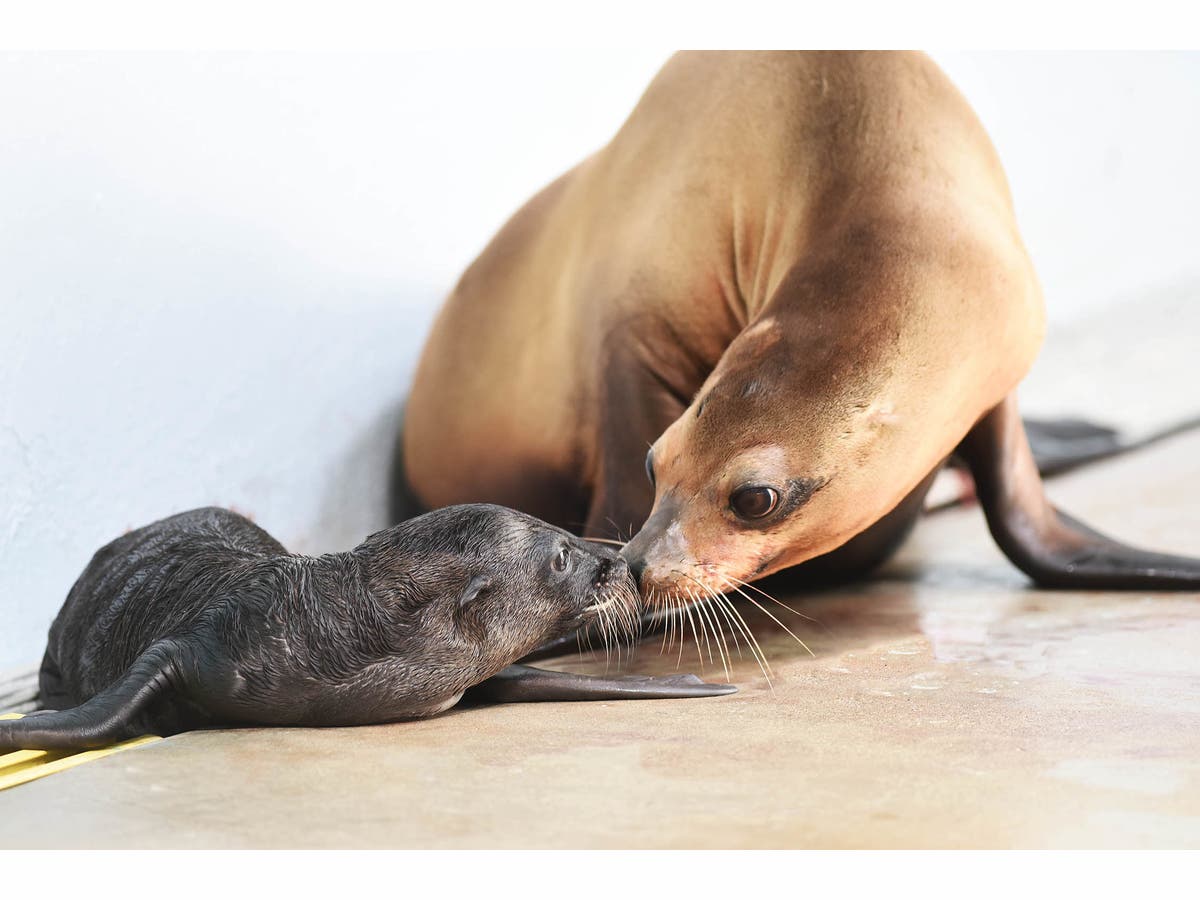

BROOKFIELD, IL — California sea lion pups have been born at Brookfield Zoo — the first birth of this species at the zoo in nearly 30 years. The pups are currently behind the scenes bonding with their mothers and learning how to swim as well as being monitored by animal care staff, according to the zoo. It is anticipated the pups will have access to their outdoor habitat in a few weeks.
The zoo said the first pup, a female, was born on June 4 to 7-year-old Josephine. A week later, on June 11, Arie, who is estimated to be about 9 years old, gave birth to a male. California sea lion pups are born in June and July and weigh between 13 to 20 pounds.
According to the zoo, pups do not swim for their first few weeks of life but rather stay in tidal pools until they can go to sea with their mothers. They nurse for at least five months and sometimes for more than a year. In the wild, after giving birth, mother sea lions will leave their offspring for a short time while they forage at sea. As the pups grow stronger, the mothers leave them alone for longer periods. Mother sea lions recognize their pups through smell, sight and vocalizations.
Find out what's happening in La Grangefor free with the latest updates from Patch.
According to a release from the zoo, the new additions are very important to the genetic diversity of the accredited North American zoo population for the species because of the unique backgrounds of the two moms as well as of Tanner, the pups’ sire. All three adults were wild born and deemed nonreleasable by the government for various reasons and were taken in and given homes at three accredited facilities — Aquarium of Niagara, Brookfield Zoo and Shedd Aquarium.
“We couldn’t be more thrilled with the birth of these two sea lion pups, which is a coordinated effort between us and our partner facilities,” Rita Stacey, curator of marine mammals for CZS, said in a release.
Find out what's happening in La Grangefor free with the latest updates from Patch.
The zoo said Josephine was abandoned by her mom at a popular tourist attraction — Pier 39 in San Francisco — which is a highly unusual place for a California sea lion to give birth. As a newborn, Josephine was helpless and would have starved to death without human intervention. The Chicago Zoological Society stepped forward and offered to give her a home at Brookfield Zoo, where she was hand-reared and has resided since 2010.
According to a release, in 2009, at approximately one year of age, Arie was found stranded on a beach, where she was rescued and rehabilitated three times by a California stranding center before being deemed non-releasable and given a forever home at the Aquarium of Niagara in Niagara Falls, New York. She arrived at Brookfield Zoo in 2016 based on a recommendation from the Association of Zoos and Aquariums’ California Sea Lion Species Survival Plan.
Lastly, the zoo said, Tanner, who is estimated to be 14 years old, arrived at Brookfield Zoo from Shedd Aquarium also based on a breeding recommendation. In 2012, Tanner received a second chance at life when Shedd Aquarium staff offered to provide him a new home after he was removed permanently from the wild by NOAA Fisheries for feeding on a federally protected endangered species of salmon in the Bonneville Dam area on the Columbia River. Government officials gave him the distinguishing and permanent ID on his back, “C011,” to be able to accurately identify him should he return to the dam to feed again on the endangered salmon. Despite several attempts to relocate him to another area, Tanner continued to return to the dam.
The zoo said California sea lions are listed as “least concern” by the International Union for Conservation of Nature, but the species still faces challenges in its natural habitat along the West Coast from Vancouver Island in British Columbia to the southern tip of Baja California in Mexico. These threats include entanglement in fishing gear, toxins they ingest from their prey, intentional dumping of toxic and hazardous waste, and changes in global atmosphere pressure that affects the availability of prey. Today, the 1972 Marine Mammal Protection Act protects all marine mammals, including California sea lions.
Photo provided by Chicago Zoological Society
Get more local news delivered straight to your inbox. Sign up for free Patch newsletters and alerts.