It is a real question, nobody can answer: “When will we simply start believing women?”
It is mind-boggling, the problems we could solve, if we simply listened and believed women, everywhere.
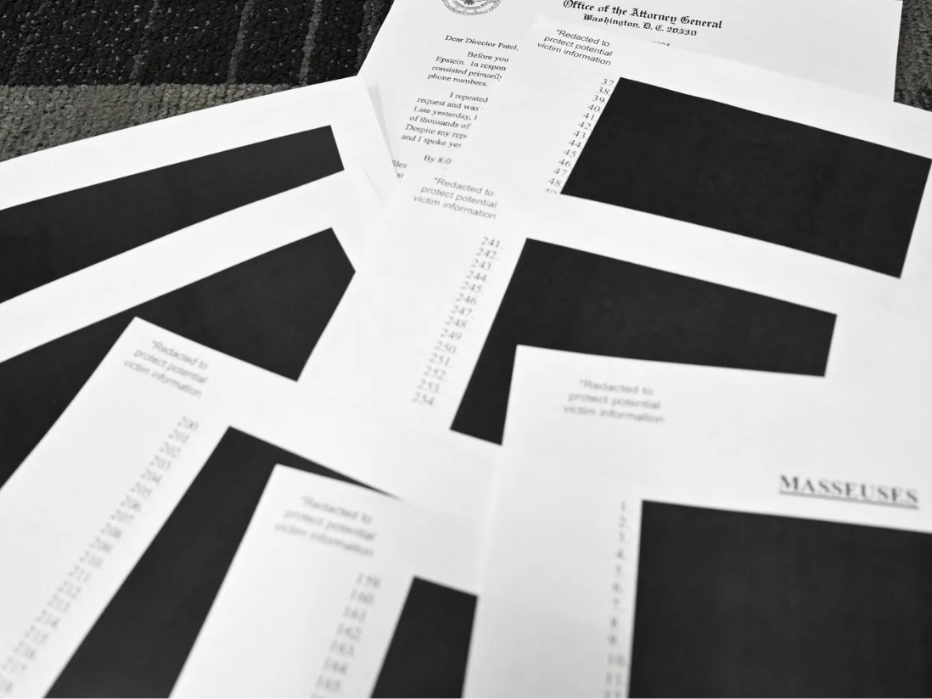
As a simple example, let’s look at The Epstein Files…
Find out what's happening in La Grangefor free with the latest updates from Patch.
The Uncomfortable Truth About the Voices We Choose Not to Hear
In 1996, a woman walked into a police station with a story about a wealthy financier who sexually abused her. Nobody really listened. In 2005, another young woman reported Jeffrey Epstein to Palm Beach police. The investigation crawled forward amid enormous pressure from powerful attorneys. In 2008, despite mountains of evidence and dozens of victims, Epstein received a sweetheart deal that would become infamous: thirteen months in a county jail with work release privileges.
Find out what's happening in La Grangefor free with the latest updates from Patch.
What if we’d simply believed what happened to these girls?
It’s not a radical question. These women weren’t making vague accusations. Important to note: These women were very young girls when they were abused. Girls, not women.They provided names, dates, locations. They described the layout of his homes. They brought corroborating witnesses. Yet the machinery of justice moved with all the urgency of a glacier, and even then, primarily in the wrong direction.
And often, they were ignored outright.
The Domino Effect That Never Happened
Consider this alternative timeline. In 2005, when the first Palm Beach victim came forward, imagine prosecutors treated her testimony with the same weight they’d give to a victim of any other crime. No special deference to Epstein’s wealth. No concern for his reputation.
A proper investigation would have immediately uncovered what we now know existed: a systematic operation. Epstein’s assistant, Ghislaine Maxwell, actively recruited vulnerable and innocent girls. Flight logs documented trips to his private island. Bank records showed payments to victims. Phone records connected him to dozens of young women.
A single serious prosecution in 2005 would have prevented an estimated hundreds of additional victims from being trafficked between 2008 and 2019.
Think about that number. Not theoretical victims. Real girls who could have finished high school without trauma. Who could have attended college, built careers, maintained relationships without the deep psychological fractures that abuse creates.
The Ripple Effect on Culture
Virginia Giuffre spoke publicly about her abuse years before the #MeToo movement gained momentum. Maria Farmer reported Epstein and Maxwell to the FBI in 1996. Twenty-three years before Epstein’s arrest. She described the abuse in detail. She named other victims. The FBI did nothing.
What signal does that send? When institutions fail this spectacularly, they don’t just fail individual victims. They teach a generation of women that coming forward is pointless when your abuser has money and connections.
The #MeToo movement might have gained traction earlier if we’d seen real accountability in the Epstein case. Or perhaps it wouldn’t have been necessary at all, at least not on the same scale, because the system would have demonstrated it actually worked.
The Professionals Who Failed
Alexander Acosta, then U.S. Attorney for the Southern District of Florida, crafted Epstein’s 2008 plea deal. He later became Secretary of Labor. That promotion, despite his role in letting a serial predator walk free, sent a clear message about consequences. Or rather, the lack thereof.
Alan Dershowitz helped negotiate that deal. He’s faced his own allegations. Ken Starr, formerly famous for investigating Bill Clinton, represented Epstein. These weren’t inexperienced public defenders doing their best with limited resources. These were elite attorneys leveraging every advantage to protect someone who absolutely didn’t deserve protection.
If prosecutors had simply done their jobs in 2008, none of these men would have been able to use the Epstein case as a career highlight or been empowered to keep criminals from accountability. Acosta wouldn’t have been confirmed for a cabinet position. The attorneys involved would have faced scrutiny rather than congratulations.
The Men Who Kept Their Reputations
Prince Andrew. Bill Clinton. Donald Trump. Les Wexner. These names appeared in flight logs and witness statements. Some have faced more consequences than others, but the delayed timeline meant many avoided accountability entirely.
If Epstein had been properly prosecuted in 2005, anyone connected to him would have faced immediate questions. Associating with a convicted child sex trafficker carries different weight than associating with a “controversial financier.”
And perhaps, Donald Trump would not be president today.
What We Can Learn Now
The Epstein case isn’t unique because powerful men protected him. It’s unique in scale and brazenness, but the pattern is depressingly familiar and frequent. Young women, often from vulnerable backgrounds, report abuse by men with resources. Their reports are questioned. Their motives are examined. The wheels of justice turn slowly, if they turn at all. In most cases, powerful men are believed well before women and girls.
We saw it with Larry Nassar and USA Gymnastics. We saw it with Harvey Weinstein. We saw it in the Catholic Church abuse scandals. The common thread isn’t the abuse itself. It’s the failure of institutions to respond when victims first came forward.
And, of course the constant coverups and protection of powerful people.
Believing victims doesn’t mean abandoning due process. It means investigating their claims with the same seriousness we’d apply to any other crime. It means not treating wealth and power as a shield against accountability. And, it means investigating promptly and not slow walking it.
The women who tried to stop Epstein were right. They were always right. They gave us multiple chances to prevent years of additional abuse. We failed them not because the evidence was insufficient, but because we made a choice about whose voices mattered.
That’s a choice we continue making every day. I believe we can being to make a different choice. Choose leaders wisely.
However…
My question remains: When will we start listening to and believing women?
My answer: As soon as we do, everything becomes much clearer and better.