Neighbor News
Winterizing is a Multi-Month Effort in Chicago
Tips to protect your home from the damaging effects of our arctic-like winter and maintain, and possibly even grow, your home's value.
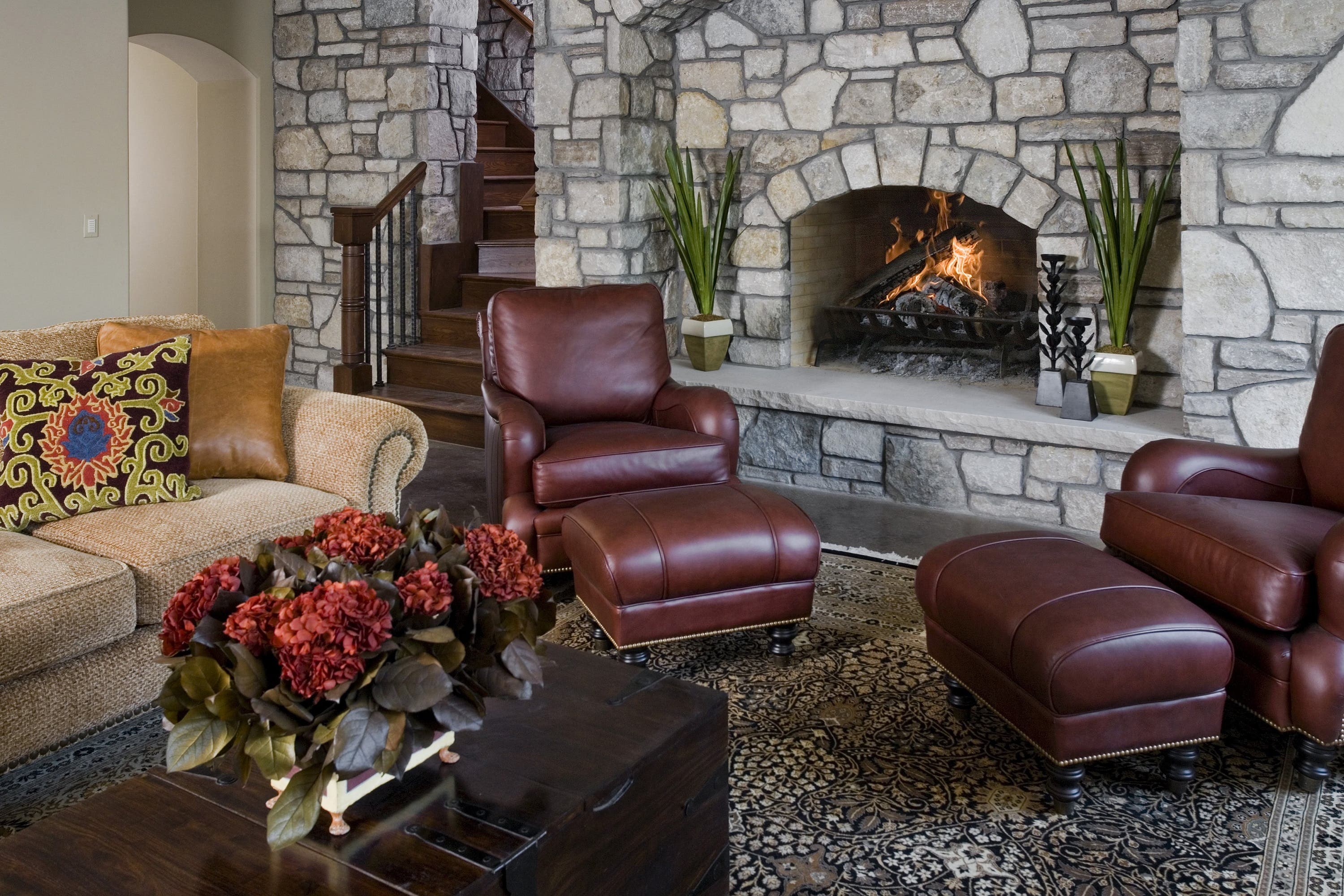
Yes, spring is coming. We promise! But it’s still critical for you to protect your home from the damaging effects of our arctic-like winter in the meantime. Also, doing so can help you maintain and even grow your home’s value year-over-year. We’ve all felt the temperatures plunge this year, so you know that if you aren’t properly prepared, you could face some serious problems on the home front. Below is a winterizing—even in March—checklist that will help keep your home in tip-top shape and ready for any additional snow, ice, and freezing temps that may lay ahead.
Protect the Pipes
Plumbing is particularly vulnerable to freezing during the cold weather, which can cause pipes to burst and potentially result in some very expensive repair costs. Some pipes are more prone to freezing than others including those that are exposed in unheated areas of the home, pipes along outside walls, and any plumbing on the exterior of the home. A simple tip is to let the faucet drip with warm water during extreme cold weather, which can help prevent a pipe from freezing and possibly bursting. Take a moment to locate your water main just in case you have to shut it off in an emergency.
Find out what's happening in Lake Forest-Lake Blufffor free with the latest updates from Patch.
Furnace Inspection
If you haven’t already, contact an HVAC professional to inspect the furnace and clean all the ducts. Stock up on furnace filters and commit to changing them each and every month during the winter to keep the furnace running as efficiently as possible. Now is also a good time to consider investing in a programmable thermostat if you don’t already have one. And, very important: remove all flammable material from the area surrounding the furnace.
Find out what's happening in Lake Forest-Lake Blufffor free with the latest updates from Patch.
Fireplace Safety
When was the last time you cleaned your fireplace? If it hasn’t been scrubbed in a while, contact a chimney sweep to remove all soot and creosote. Inspect the fireplace damper to make sure that it opens and closes properly. Also be sure to check the mortar between the bricks and do some tuck pointing work if necessary. Stock up on firewood, and be sure to store it in a dry place away from the exterior of your home.
Decrease the Draft – Install Storm Doors and Windows
Installing storm doors and windows will seal drafts and reduce air flow into the home, increasing energy efficiency by up to 45 percent. Storm doors also offer greater flexibility for letting light and ventilation enter your home. Replacing entire windows to correct insulation problems can be costly, so consider purchasing energy-efficient blinds instead, to best capture the heat.
Check the Foundation and Exterior of the Home
Inspect the exterior of the home for crevice cracks and seal them. When left untreated, cracks can expand and cause significant damage. Use weather stripping around doors, and caulk windows to prevent cold air from entering the home. An easy method to check for leaks is to have someone on the outside blow a hair dryer around each window while you hold a candle or lighter inside. If the flame flickers or goes out, you need to caulk or weather strip around the frame.
Roof, Gutters and Downspouts
If the temperature falls below freezing (which it already has multiple times), adding extra insulation in the attic will prevent warm air from escaping to the roof, which can lead to ice dams. The goal is to keep the attic below freezing, so it won’t melt the snow that is sitting on the roof. Heat that escapes to the attic is definitely the enemy! In the winter, especially, it’s important to replace any worn roof shingles or tiles, and check all flashing to ensure that water cannot enter the home. Clean out the gutters and spray water down the downspouts to clear away all debris. Installing leaf guards on the gutters or adding extensions on the downspouts will help direct water away from the home.
Basement Check
Check the basement for any dampness on the floor and on the walls. Test your sump pump, flush your water heater and check for any signs of leakage. Clean your dryer vent regularly. Make sure that paints or any flammable materials are stored away from heat sources in a closed metal cabinet. Make an appointment to have your heating system serviced to make sure its running at full efficiency come winter.
Install Smoke and Carbon Monoxide Detectors
Test all smoke and carbon monoxide detectors to make sure they work. Purchase extra smoke detector batteries and change them when daylight savings ends, and install a carbon monoxide detector near your furnace and or water heater. It’s also a good idea to buy a fire extinguisher or replace an extinguisher that is older than 10 years. Make sure you know how to use it in case of emergency.
Winter is almost over. But the weather rarely checks in with official dates on the calendar. Protecting your home now—and throughout the year—will keep your investment in good shape and give you peace of mind.
About the Author, Orren Pickell
Orren’s name has become synonymous with outstanding design and quality construction from nearly forty years of innovative methods and demanding attention to detail. Throughout his career, Orren’s philosophy has remained unchanged: provide customers with the highest level of service in all areas and work diligently to offer the greatest value for every project. Orren has assembled a dedicated, experienced team of professionals who share his enthusiasm for this industry and he has been honored with more awards for design creativity and construction excellence than any builder in the Midwest. He enjoys a well-deserved reputation as a premiere custom homebuilder, with satisfied customers and magnificent projects throughout Illinois, Wisconsin, Indiana and Michigan. Visit www.pickellbuilders.com to learn more.