Politics & Government
Lemont Residents Weigh in on Expansion of Historic District
The village's Historic Preservation Commission is looking to expand the district's boundaries to include neighborhoods near downtown Lemont.


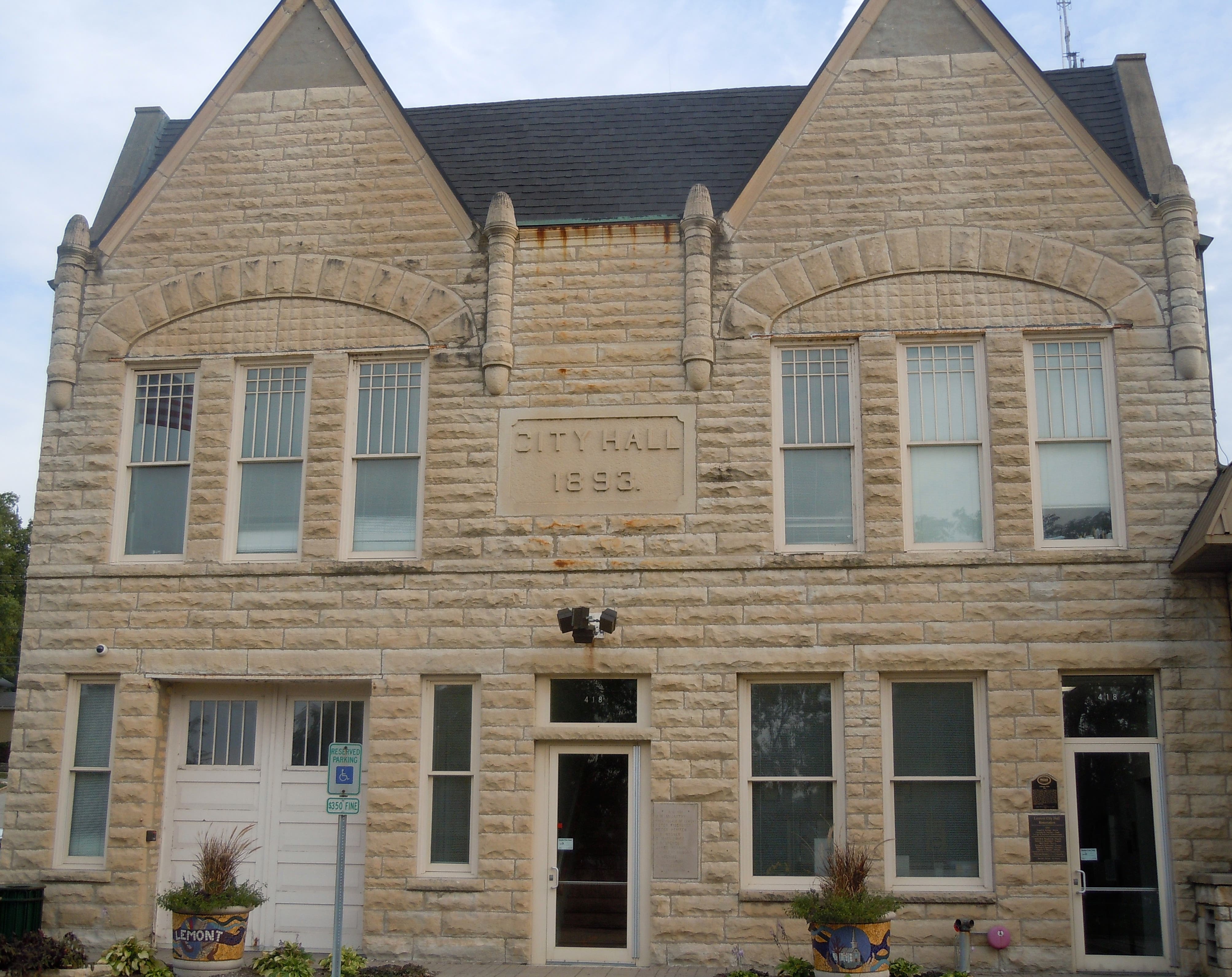
As the Lemont Historic Preservation Commission looks to expand the boundaries of the village's Historic District, some homeowners are questioning the initiative's potential costs and benefits.
At a public meeting April 14, members of the Historic Preservation Commission presented information to residents on the expansion of the Historic District to include the 700 to 800 blocks of Warner Avenue, the 500 to 700 blocks of State Street and portions of Division, Logan and Custer streets.
Established in early 2001, Lemont's Historic District designates areas within the community that have special historic, cultural and architectural significance. Currently, the district includes the downtown commercial area and the 400 to 700 blocks of Singer Avenue.
Find out what's happening in Lemontfor free with the latest updates from Patch.
"Over the past ten years, we've worked very hard on this commission with property owners to achieve the best possible restorations and to preserve historic integrity," said Barbara Buschman, chairwoman of the Historic Preservation Commission. "The next step is to take a broader approach."
Commissioner Chris Cummins prepared a presentation for residents outlining the possible benefits of annexing to the Historic District.
Find out what's happening in Lemontfor free with the latest updates from Patch.
“The Historic District provides an opportunity for the community to help preserve the integrity (of the village) and provide resources for property owners to help maintain that integrity in a cost-effective way,” he said.
According to Cummins, expansion of the Historic District would help maintain the historic street facades of Lemont, build a greater sense of community and possibly increase property values.
"One of the things that has happened in the last 15 to 20 years is that a number of studies have been done by a variety of universities and non-profit organizations about the impact of being part of a historic district," he said. "Typically the values of properties in historic districts, as compared to those in similar areas, saw 3 to 5 percent greater property values."
Prior to the meeting, the Historic Preservation Commission sent out a survey to property owners in the proposed neighborhoods in order to start the process of expansion.
In order to annex, a minimum of 51 percent of property owners on any given block must sign a petition to be added to the Historic District, Cummins said. A public hearing would then be held, and the Village Board would have to vote to approve the addition. The ordinance would then be certified by the Illinois Historic Preservation Commission.
Cummins said there would be no additional cost to homeowners should they decide to annex to the district. However, any alterations to property exteriors would be subject to review by the Historic Preservation Commission, he said.
In order to make repairs or additions to a home in the Historic District, the owner must apply for a certificate of appropriateness. The commission does not review interior alterations.
"The intent is to maintain the integrity of the property's architectural style and its relationship to the rest of the neighborhood," he said.
Despite the supposed benefits, some residents questioned the process and the potential costs.
Marjorie Michaelsen, who resides on one of the proposed blocks to be annexed on Division Street, raised concerns about the restrictions and guidelines that would be imposed on property owners.
"Most of us have lived here for some time, so we're really passionate (about this issue)," she said.
Tom Knopinski, who lives in the 600 block of State Street, asked the commission what the village would gain by annexing more homes to the Historic District—specifically through property taxes.
According to Jim Brown, Lemont's director of planning and economic development, the purpose of expansion is not to increase revenue for the village. Any increase in home values would not affect the total portion of property taxes received by any taxing body, he said.
"We're just trying to preserve our town," Buschman added.
Moving forward, Cummins said property owners will need to discuss the possible expansion and decide whether they want to be part of it.
"You all as a community are going to need to make some decisions about whether you’re interested in being in a historic district or not," he said.
The Lemont Historic Preservation Commission meets the second Thursday of each month at 6:30 p.m. at Village Hall, 418 Main St. All meetings are open to the public.
Get more local news delivered straight to your inbox. Sign up for free Patch newsletters and alerts.