Community Corner
FEMA Begins Flood Damage Assessments In Lake, McHenry Counties
Damage assessments to homes and businesses is to begin on Aug. 18. The assessments will continue through the weekend until complete.


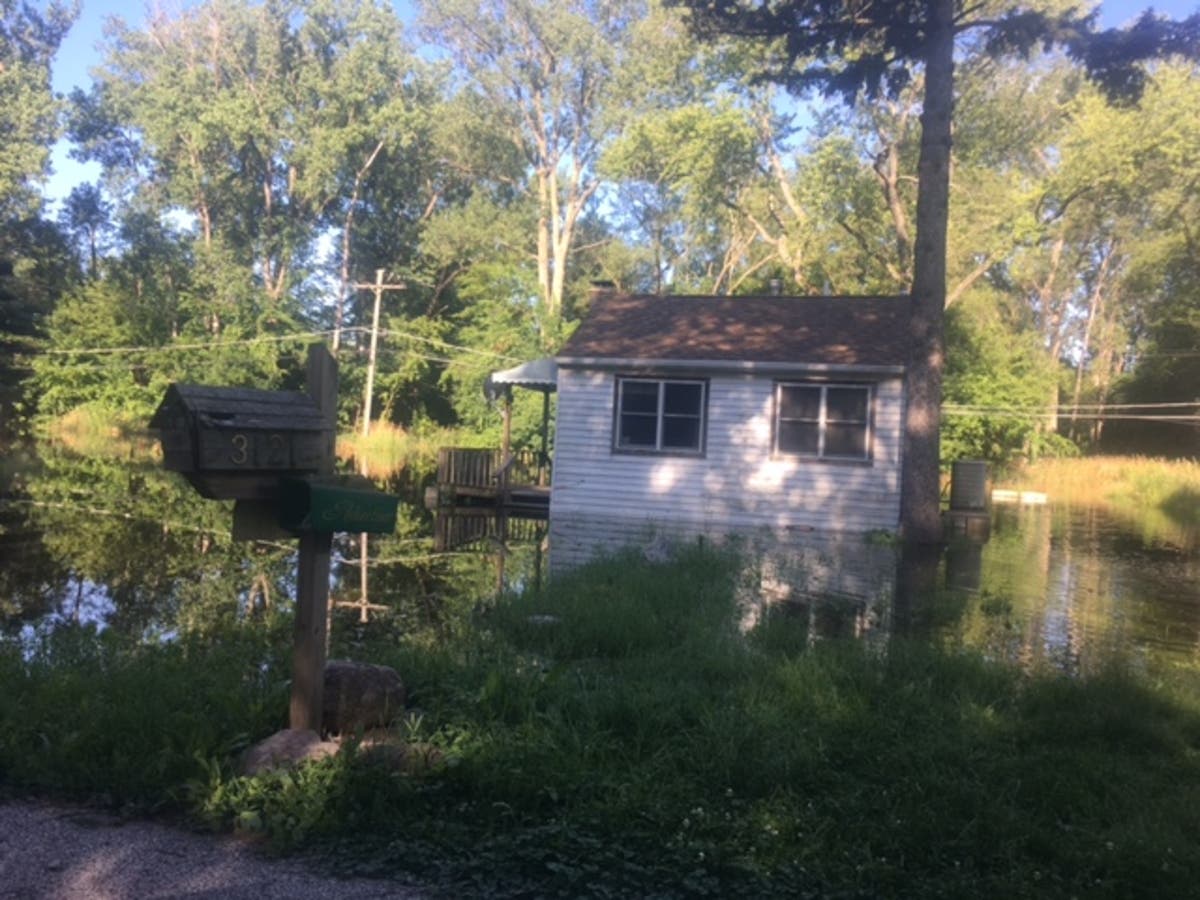
Gov. Bruce Rauner has requested the Federal Emergency Management Agency (FEMA) join the state in conducting damage assessments in areas of Lake, McHenry, Kane and Cook counties after record-breaking flooding in July. The request was submitted after initial damage assessments conducted by county officials documented nearly 300 homes that suffered major damage or were destroyed and more than 3,000 others that also were affected by flood waters, according to a news release from Rauner's office.
“Many people in these counties are struggling to recover from this flood, and we want to do everything possible to help them,” Rauner said in a statement. “These damage assessments will provide a clearer picture, not only of the damage, but also of what people need in order to fully recover from this disaster.”
Personnel from FEMA, the Illinois Emergency Management Agency (IEMA), the U.S. Small Business Administration (SBA) and local emergency management agencies are expected to begin assessing damage to homes and businesses on Aug. 18. The assessments will continue through the weekend until complete.
Find out what's happening in Libertyvillefor free with the latest updates from Patch.
IEMA also is working closely with municipalities, counties and other governmental bodies in the four impacted counties to document their costs related to the flooding, according to the news release. That assessment will help determine whether the state could meet the federal threshold of $18.3 million for assistance that could help government agencies receive reimbursement for some of those flood-related expenses.
The State Emergency Operations Center in Springfield was activated for two weeks to support flood fighting efforts in these four counties, along with subsequent flooding in the northwestern part of the state.
Find out what's happening in Libertyvillefor free with the latest updates from Patch.
Rep. Randy Hultgren recently sent a letter to FEMA Administrator Long urging him to assist local efforts to conduct damage assessments following the severe flooding in northern Illinois, according to a Friday news release from Hultgren's office. Hultgren has visited the affected areas and worked with local and state officials to "make sure everyone is safe and mitigate flood damage."
Here is the full letter sent by Hultgren:
This week, Governor Rauner submitted a request to the Federal Emergency Management Agency requesting assistance in conducting damage assessments where flooding has occurred in northern Illinois. Last month, Lake, McHenry, Kane, and Cook counties suffered from severe flooding that has left these communities – many of which are in my district – struggling to make the necessary repairs to restore their way of life. I would gratefully appreciate any assistance your Agency can provide to the State of Illinois in conducting damage assessments. We cannot afford for damage to any family home or small business to go overlooked.
To provide some context, on July 12, 2017, flash flood warnings were issued for seven counties in northern Illinois. At first, it seemed the area would simply be hit by a couple of brief summer storms, but the rain kept coming, and the water levels kept rising. It didn’t take long for Metra to shut down some of its train lines, which my commuting constituents depend on, due to high water. Soon, hundreds of homes, businesses, other buildings, and cars were underwater. The best planning and the strongest response by local government can only do so much to combat 6-8” of rain in under a day, which is exactly what happened in Lake Country. Unfortunately, the flood risks only continued to grow.
The Fox River begins in Wisconsin and runs south through my district, and there are a number of lakes in the northern part of my district. After four days of rainfall in the region, water levels continued to rise, culminating with the Fox Lake cresting at 25 percent higher than its average water level. The Illinois Department of Resources described the situation as “flooding of this magnitude has not been seen before.” However, the story does not end here. The high-water levels negatively affected the normally lively economy around the lakes this time of year, meaning the economy has likely foregone millions of dollars.
The State of Illinois needs your help. We need to understand how far the damage goes, so we can move forward with healing our communities.
Get more local news delivered straight to your inbox. Sign up for free Patch newsletters and alerts.