Community Corner
Health Dept. Warns Lake Co. Residents to Watch Out for Ticks
Cases of Lyme disease, which deer ticks carry, have increased in the area since 2005.


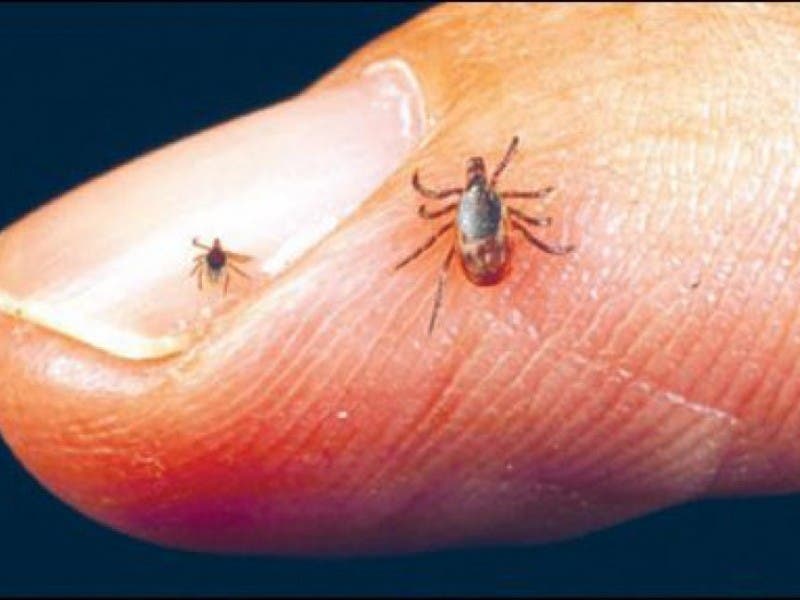
As the weather starts to become more pleasant, Lake County residents need to be on the lookout for Lyme disease-carrying ticks, according to a Chicago Tribune report.
A press release from the Lake County Health Department warns of an increase of confirmed Lyme disease cases in the county, going from 6.7 from 2003-05 to 21.3 between 2012-14, the report stated.
Lyme disease isn’t the only disease that deer ticks can transmit to humans, the report stated. Anaplasmosis, bartonella, ehrlichia and babesiosis are also dangers, the report added.
Find out what's happening in Libertyvillefor free with the latest updates from Patch.
The health department has started a “Fight the Bite” public service campaign to educate residents, the report stated.
The following precautions from the Lake County Health Department will help keep residents safe:
Find out what's happening in Libertyvillefor free with the latest updates from Patch.
- Keep your grass mowed, keep weeds cut around your home, and keep grass near playground equipment short.
- Install a wood chip or gravel barrier between lawns and wooded or tall grass areas.
- Do not brush against plants outdoors and walk in the center of paths through parks and forest preserves.
- Minimize wood piles attractive to small animals that can carry ticks.
- Wear light-colored, protective clothing such as long-sleeved shirts, long pants, boots or sturdy shoes and a head covering. Tuck pant cuffs in socks and tuck in shirt tails.
- Apply insect repellent containing DEET (30 percent or less) to clothes or exposed skin (except the face). Wash treated skin after coming indoors and supervise children while using repellents.
- Check your pets for ticks if they go outdoors.
- When checking for ticks, pay extra attention to the hair, the neck, behind the ears and the groin.
- Remove ticks with a tweezers by grabbing the head of the insect closest to the skin and pulling upward with slow, even pressure. Do not squeeze the tick’s body. Do not twist or pull the tick quickly as the mouth parts could break off and remain in the skin.
Once a tick is removed, disinfect the bite site and wash your hands with soap and water. Make note of the date you removed the tick, save it for identification in case you become ill, and put it in a bag in your freezer.
For more information about ticks and how to identify them, visit the Lake County Health Department’s Web site.
Get more local news delivered straight to your inbox. Sign up for free Patch newsletters and alerts.